
Cats are masters at hiding discomfort, which makes subtle changes in their behavior or appearance important clues. One such sign—your cat consistently keeping one eye closed—can range from a minor irritation to a serious medical condition. While occasional squinting may not be cause for alarm, persistent closure of one eye warrants attention. Understanding the underlying causes, recognizing accompanying symptoms, and knowing when to act can make a critical difference in your cat’s health and comfort.
Common Causes of a Cat Keeping One Eye Closed
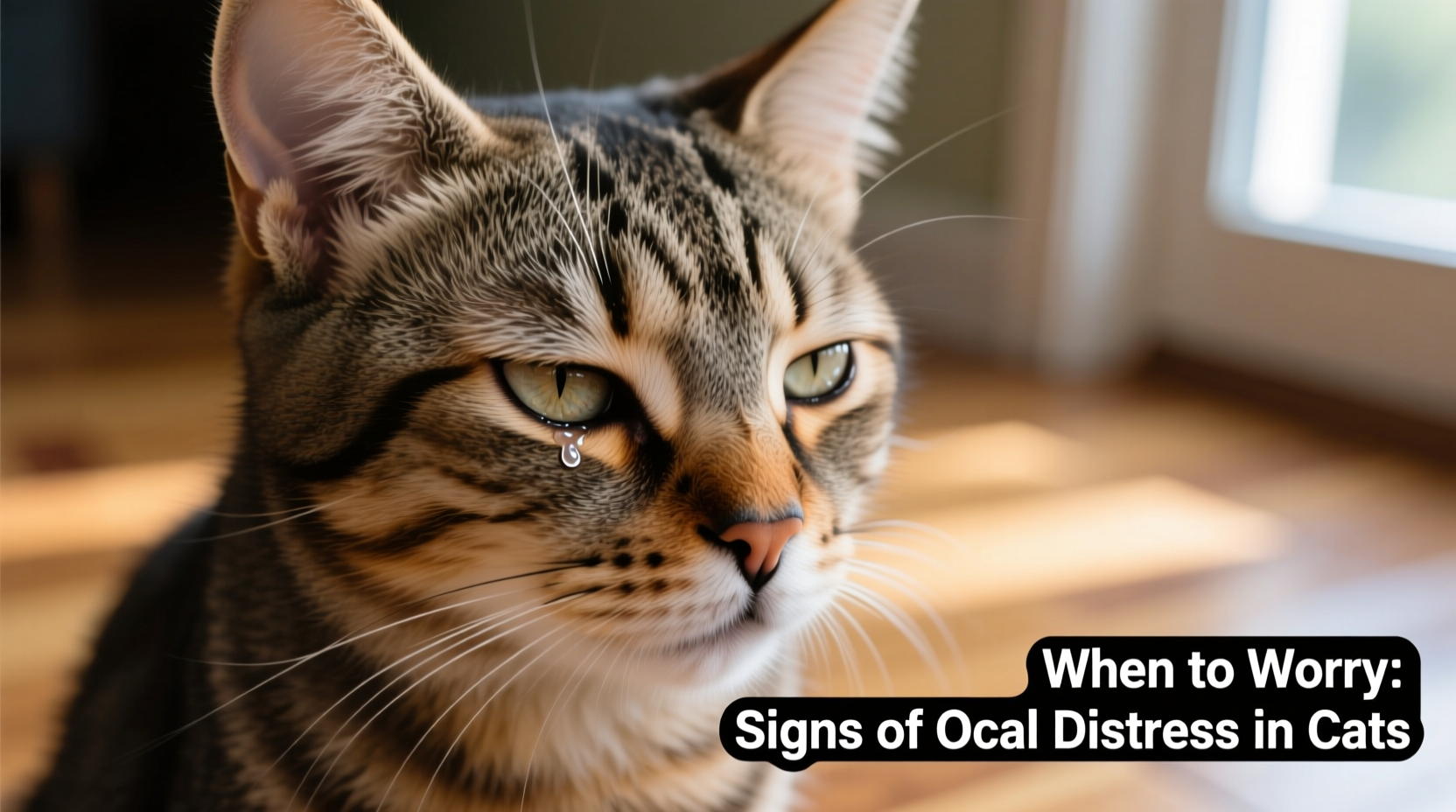
A cat closing one eye often indicates pain, irritation, or vision impairment in that eye. The most frequent causes include:
- Conjunctivitis: Inflammation of the tissue lining the eyelids, commonly caused by viral or bacterial infections, especially feline herpesvirus.
- Corneal Ulcers: A scratch or erosion on the surface of the eye, often resulting from trauma (e.g., a scratch from another cat) or dry eye.
- Foreign Bodies: Dust, plant material, or debris trapped under the eyelid can cause irritation and reflexive squinting.
- Glaucoma: Increased pressure within the eye, leading to pain, bulging, and potential vision loss if untreated.
- Uveitis: Inflammation inside the eye, often linked to systemic infections like FIV or FeLV.
- Eye Trauma: Blunt force, lacerations, or chemical exposure can damage ocular structures.
- Dry Eye (Keratoconjunctivitis Sicca): Insufficient tear production leads to chronic irritation and secondary infections.
In multi-cat households, upper respiratory infections are a common trigger for eye issues, particularly conjunctivitis. These infections are highly contagious and often begin with sneezing and nasal discharge before progressing to eye involvement.
Symptoms That Accompany a Closed Eye
While a partially or fully closed eye is the primary warning sign, other symptoms help determine the severity and nature of the issue:
- Excessive tearing or watery discharge
- Thick, yellow-green pus (common in bacterial infections)
- Redness or swelling around the eye
- Blinking frequently or pawing at the face
- Cloudiness or change in eye color
- Protrusion or sunken appearance of the eye
- Changes in behavior: lethargy, reduced appetite, hiding
The presence of discharge is particularly telling. Clear tears suggest mild irritation or allergies, while thick, colored discharge points to infection. Cloudiness may indicate corneal damage or cataracts, and bulging eyes are a red flag for glaucoma.
“Cats don’t show pain the way humans do. A single closed eye is often their only signal that something is seriously wrong.” — Dr. Lena Reyes, DVM, Feline Ophthalmology Specialist
When to Worry: Red Flags Requiring Immediate Care
Not every instance of eye closure demands an emergency visit, but certain signs should prompt immediate veterinary attention:
| Symptom | What It Might Mean | Action Required |
|---|---|---|
| Prolonged closure (more than 24 hours) | Pain, infection, or structural damage | Veterinary exam within 24 hours |
| Swollen, bulging eye | Glaucoma or abscess | Emergency care needed |
| Visible cloudiness or opacity | Corneal ulcer or cataract | Same-day evaluation |
| Refusal to eat or interact | Systemic illness or severe pain | Immediate consultation |
| Bleeding or fluid leakage | Severe trauma or rupture | Emergency treatment |
If your cat is squinting in bright light, it could indicate photophobia—a sensitivity often tied to inflammation or ulcers. This symptom alone justifies a vet visit.
Real-Life Example: Bella’s Corneal Injury
Bella, a 3-year-old indoor-outdoor tabby, began blinking rapidly and holding her left eye shut after returning from the garden. Her owner noticed a slight pink tinge around the lid and clear discharge. Initially assuming it was dust, they flushed the eye with saline. When the squinting persisted into the next day and Bella stopped grooming herself, she was taken to the vet. Fluorescein staining revealed a superficial corneal ulcer caused by a grass seed scratch. With antibiotic ointment and an Elizabethan collar, Bella healed within a week. Early intervention prevented infection and deeper damage.
Step-by-Step: What to Do If Your Cat Closes One Eye
Follow this timeline to assess and respond appropriately:
- Observe closely (Day 1): Note duration of closure, discharge type, and any behavioral changes. Check both eyes in natural light.
- Perform a gentle inspection: Hold your cat securely and use a flashlight to look for foreign objects, cloudiness, or swelling. Avoid touching the eye.
- Rinse if appropriate: If there’s minor debris and the eye is open partway, flush gently with sterile saline solution.
- Prevent self-trauma: Use a soft collar if your cat paws at the eye to avoid further injury.
- Contact your vet (within 24 hours if no improvement): Describe symptoms clearly. Many clinics prioritize eye cases due to risk of vision loss.
- Follow treatment strictly: Administer prescribed medications as directed, even if symptoms improve early.
Do’s and Don’ts: Quick Reference Checklist
| Do’s | Don’ts |
|---|---|
| Monitor both eyes daily | Apply human eye drops |
| Use sterile saline to rinse | Rub or press on the eye |
| Keep the area clean | Delay vet visits beyond 24–48 hours if symptoms persist |
| Isolate sick cats in multi-pet homes | Ignore subtle signs like reduced blinking or light avoidance |
| Administer vet-prescribed meds on schedule | Assume it will “clear up on its own” |
Frequently Asked Questions
Can a cat’s eye infection go away on its own?
Mild irritation might resolve temporarily, but true infections—especially those caused by viruses like feline herpes—rarely heal without treatment. Left untreated, they can lead to chronic dry eye, scarring, or permanent vision damage.
Is it safe to use over-the-counter eye drops for cats?
No. Human formulations often contain preservatives or vasoconstrictors (like tetrahydrozoline) that are toxic to cats. Only use medications prescribed by a veterinarian.
How can I prevent eye problems in my cat?
Regular wellness checks, keeping vaccinations up to date (especially for respiratory viruses), avoiding exposure to irritants like smoke or cleaning chemicals, and promptly addressing injuries can significantly reduce risks.
Final Thoughts: Act Early, Protect Vision
A cat keeping one eye closed is sending a message—one that should never be ignored. The eye is a delicate organ, and conditions like ulcers or glaucoma can deteriorate rapidly. Even seemingly minor symptoms can escalate, especially in cats with pre-existing health issues like diabetes or immune disorders. Early diagnosis not only improves outcomes but also reduces treatment costs and your pet’s suffering.
By staying observant, responding quickly, and partnering with your veterinarian, you can ensure your cat maintains not just clear vision, but overall well-being. Eye health is a window into systemic wellness—treat it with the urgency it deserves.




 浙公网安备
33010002000092号
浙公网安备
33010002000092号 浙B2-20120091-4
Comments
No comments yet. Why don't you start the discussion?