
It’s a familiar scene: You finish a satisfying lunch, sit back, and within 30 minutes, your eyelids grow heavy. Your concentration fades, your motivation dips, and the thought of replying to one more email feels like climbing a mountain. This post-lunch slump isn’t just bad luck—it’s often tied to how your body processes food, particularly carbohydrates, and how blood sugar levels fluctuate throughout the day.
While many assume this fatigue is simply due to overeating or a heavy meal, the real culprit often lies in misunderstood blood sugar dynamics. Misinformation about blood sugar—like the idea that only diabetics need to worry about it or that skipping meals helps stabilize energy—is widespread. The truth is, everyone experiences blood sugar shifts, and managing them effectively can transform your afternoon productivity and long-term health.
This article breaks down the science behind post-lunch fatigue, dispels common myths about blood sugar, and offers practical, evidence-based strategies to keep your energy steady from noon until evening.
The Science Behind Post-Lunch Fatigue
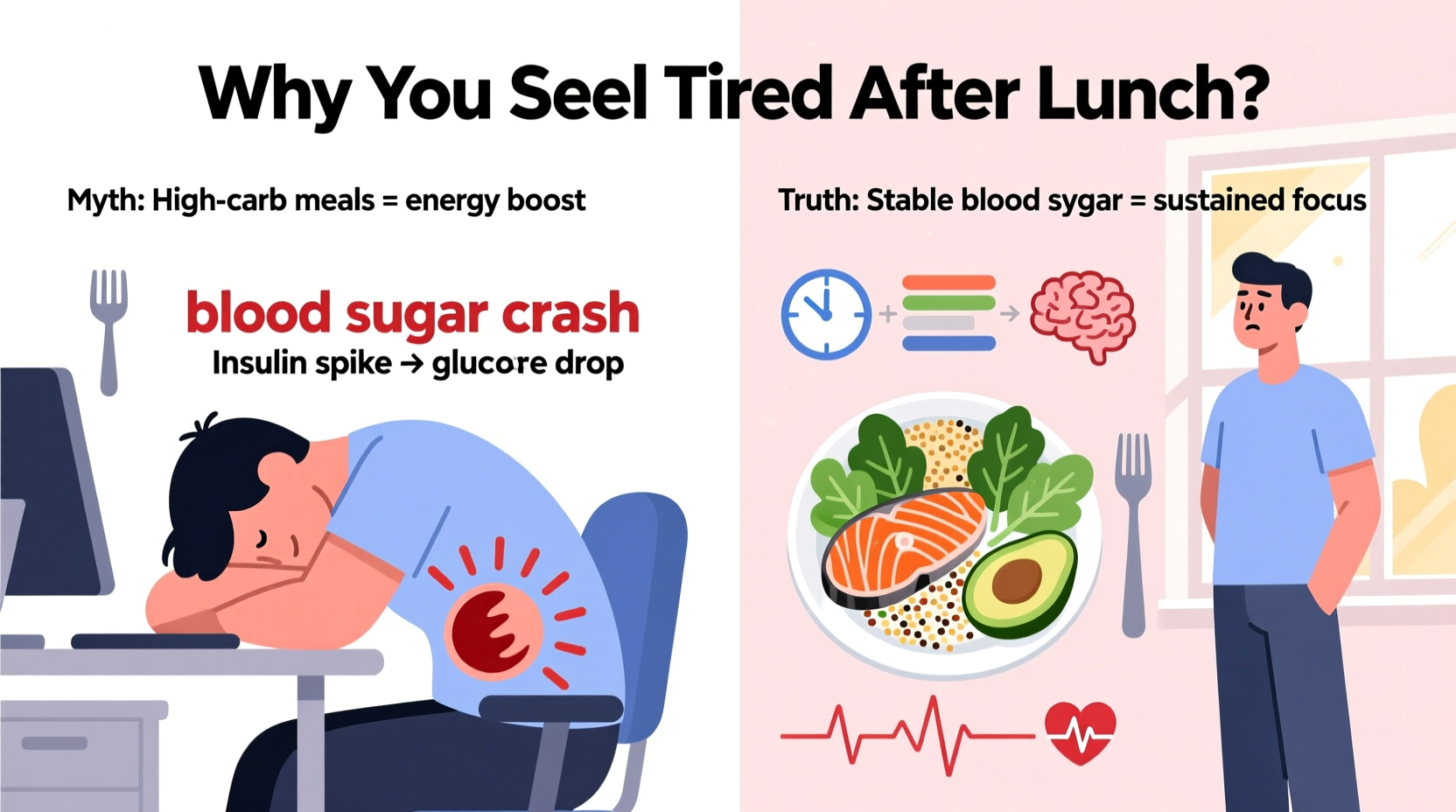
After eating, especially a meal rich in refined carbohydrates or sugars, your body releases insulin to help cells absorb glucose from the bloodstream. When this process happens too rapidly—often due to high-glycemic foods like white bread, pasta, or sugary drinks—blood sugar spikes quickly. In response, the pancreas pumps out a large amount of insulin, which can cause blood sugar to drop sharply shortly afterward, a phenomenon known as reactive hypoglycemia.
This sudden dip in glucose availability affects the brain, which relies almost exclusively on glucose for fuel. As blood sugar falls, the brain signals fatigue, irritability, and difficulty concentrating. At the same time, the body may release stress hormones like adrenaline and cortisol to compensate, leading to jitteriness followed by exhaustion.
Additionally, digestion itself requires energy. Blood flow shifts toward the digestive tract, which can reduce circulation to the brain and muscles, contributing to drowsiness. Meals high in fat or protein can also slow digestion, prolonging this effect.
Busting Common Blood Sugar Myths
Misconceptions about blood sugar regulation are rampant—even among health-conscious individuals. These myths not only mislead but can lead to counterproductive habits that worsen energy crashes.
Myth 1: Only Diabetics Need to Worry About Blood Sugar
This is false. While people with diabetes must monitor their glucose closely, non-diabetics still experience significant fluctuations. Research shows that even within the “normal” range, wide swings in blood sugar are linked to fatigue, mood swings, and increased risk of metabolic disease over time.
Myth 2: Low Blood Sugar Causes Hunger, Not Fatigue
Actually, low blood sugar (or a rapid decline) directly impacts cognitive function. Symptoms include brain fog, shakiness, anxiety, and yes—fatigue. The brain uses about 20% of the body’s glucose, so when levels dip, mental performance suffers immediately.
Myth 3: Skipping Meals Helps Stabilize Energy
Skipping meals often backfires. Prolonged fasting can lead to overeating later, triggering exaggerated insulin responses and worse crashes. Regular, balanced meals help maintain metabolic rhythm and steady energy.
Myth 4: All Carbs Are Bad for Blood Sugar
Not true. Whole grains, legumes, fruits, and vegetables contain complex carbohydrates along with fiber, which slows digestion and prevents spikes. It’s highly processed, low-fiber carbs that wreak havoc—not carbohydrates as a category.
“Blood sugar stability isn’t just for diabetics. It’s a cornerstone of daily energy, mood, and long-term metabolic health.” — Dr. Lena Torres, Endocrinologist and Metabolic Health Specialist
Practical Fixes to Avoid the Afternoon Crash
Preventing post-lunch fatigue isn’t about eating less—it’s about eating smarter. Small adjustments to meal composition and timing can make a dramatic difference in how you feel after eating.
1. Balance Macronutrients Strategically
Aim for a combination of protein, healthy fats, and fiber-rich carbohydrates in every meal. This trio slows digestion, blunts insulin spikes, and provides sustained energy.
- Protein: Chicken, tofu, eggs, Greek yogurt, lentils
- Fats: Avocado, olive oil, nuts, seeds
- Fiber-rich carbs: Quinoa, sweet potatoes, beans, leafy greens, berries
2. Choose Low-Glycemic Foods
The glycemic index (GI) measures how quickly a food raises blood sugar. Opt for lower-GI options to avoid rapid spikes.
| High-GI Foods (Avoid or Limit) | Low-GI Alternatives (Choose Instead) |
|---|---|
| White bread | Whole grain or sourdough bread |
| Corn flakes, puffed rice | Oatmeal, muesli with nuts |
| Pasta (especially refined) | Legume-based or whole wheat pasta |
| Soda, fruit juice | Water, sparkling water with lemon, herbal tea |
| White rice | Basmati rice, brown rice, cauliflower rice |
3. Eat Mindfully and Slowly
Eating too fast leads to overconsumption before satiety signals reach the brain. Slower eating improves digestion and allows better hormonal regulation, including insulin and leptin.
Mini Case Study: How Sarah Fixed Her Afternoon Slump
Sarah, a 38-year-old project manager, regularly struggled with post-lunch fatigue. She’d eat a sandwich on white bread with chips and a soda, then find herself nodding off during 2 PM meetings. Her doctor found her HbA1c (a marker of average blood sugar) was in the pre-diabetic range, despite her normal weight.
She worked with a nutritionist to overhaul her lunch routine. She switched to a salad with grilled chicken, chickpeas, avocado, mixed greens, and olive oil dressing. She replaced soda with sparkling water and added a small apple with almond butter. Within two weeks, she reported feeling alert through the afternoon. A follow-up glucose test showed significantly reduced variability in her blood sugar levels.
“I didn’t realize my lunch was sabotaging my entire workday,” Sarah said. “Now I plan meals ahead, and my energy is consistent. I’m even more productive than before.”
Step-by-Step Guide to a Balanced Lunch Routine
Follow this five-step plan to build a lunch that sustains energy instead of draining it:
- Plan Ahead: Prepare ingredients the night before or batch-cook meals weekly to avoid grabbing convenience foods high in refined carbs.
- Start with Protein: Include at least 20–30 grams of protein (e.g., 4 oz chicken, 1 cup lentils, 2 eggs).
- Add Volume with Veggies: Fill half your plate with non-starchy vegetables like spinach, broccoli, peppers, or zucchini.
- Include Healthy Fats: Add a source of fat such as olive oil, avocado, nuts, or seeds to promote satiety and slow glucose absorption.
- Choose Smart Carbs: If including grains or starchy vegetables, opt for whole, unprocessed forms and limit portion size to ½ cup cooked.
Example balanced lunch: Grilled salmon over quinoa and roasted Brussels sprouts, drizzled with tahini-lemon dressing and topped with pumpkin seeds.
Checklist: Build an Energy-Sustaining Lunch
Use this quick checklist before preparing or ordering your next meal:
- ✅ Includes a lean protein source
- ✅ Contains at least two types of vegetables
- ✅ Has a healthy fat component (oil, avocado, nuts)
- ✅ Uses whole, minimally processed carbohydrates (if any)
- ✅ Avoids added sugars and sugary beverages
- ✅ Portion is satisfying but not overly large
- ✅ Eaten slowly, without distractions
FAQ: Common Questions About Lunchtime Fatigue and Blood Sugar
Why do I crash after eating even when I don’t eat sweets?
Even savory meals can spike blood sugar if they’re based on refined grains (like white rice or pasta) or lack sufficient protein and fat. The total carbohydrate load and speed of digestion matter more than sugar content alone.
Can drinking coffee after lunch help with fatigue?
Coffee may provide a short-term boost, but it doesn’t address the root cause. Relying on caffeine can disrupt sleep and increase insulin resistance over time. Better to fix the meal than mask the symptom.
Is intermittent fasting helpful for stabilizing blood sugar?
For some, yes—but it’s not universally beneficial. Extended fasting can lead to overeating and reactive hypoglycemia in susceptible individuals. If you try it, monitor your energy and mood closely. Most people benefit more from consistent, balanced meals.
Conclusion: Take Control of Your Afternoon Energy
Feeling tired after lunch isn’t inevitable. It’s a signal—your body responding to what, when, and how you eat. By understanding the real mechanisms behind blood sugar fluctuations and replacing outdated myths with science-backed strategies, you can reclaim your afternoons.
Small changes compound: swapping white bread for whole grains, adding a handful of nuts to your salad, or pausing between bites can collectively eliminate the crash and sustain mental clarity. You don’t need perfection—just consistency and awareness.




 浙公网安备
33010002000092号
浙公网安备
33010002000092号 浙B2-20120091-4
Comments
No comments yet. Why don't you start the discussion?