
Cats occasionally vomiting after meals is a concern shared by many pet owners. While an isolated incident may not be alarming, frequent or severe episodes can signal underlying health issues. Understanding the difference between normal digestive upsets and dangerous symptoms helps ensure timely care. This article explores the most common reasons cats vomit after eating, identifies red flags that warrant a vet visit, and provides practical steps to support your cat’s digestive health.
Common Causes of Vomiting After Eating
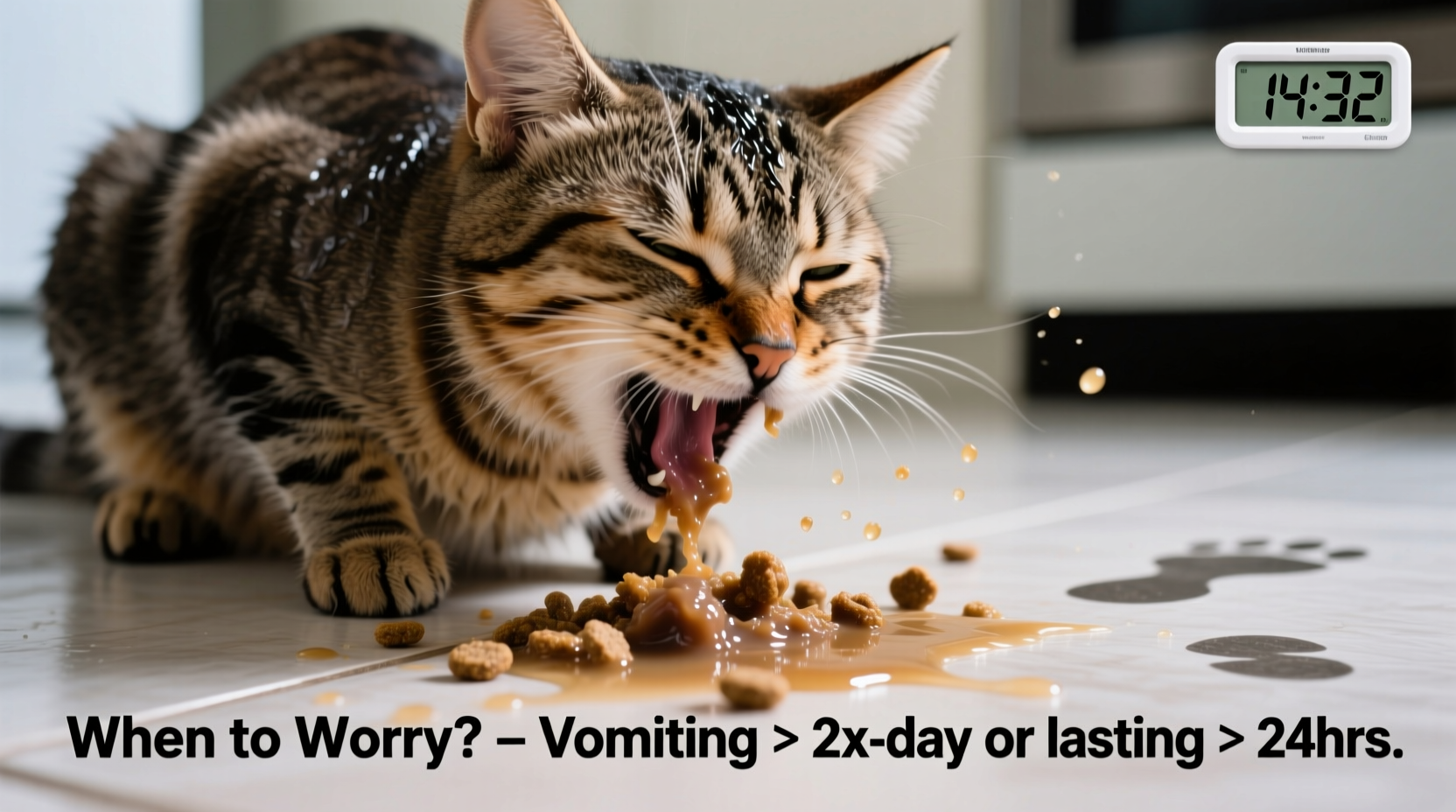
Vomiting in cats can stem from simple dietary behaviors or more serious medical conditions. Recognizing the root cause begins with observing patterns in timing, frequency, and appearance of the vomit.
- Eating too quickly: Some cats gulp food rapidly, swallowing excess air along with kibble. This can trigger regurgitation shortly after meals.
- Dietary indiscretion: Cats may eat spoiled food, plants, or non-food items, leading to stomach irritation.
- Food intolerance or allergy: Ingredients like dairy, grains, or certain proteins can cause gastrointestinal upset.
- Overfeeding: Large portion sizes overwhelm a cat’s small stomach, increasing the chance of vomiting.
- Hairballs: Grooming leads to hair ingestion; when accumulated, it may be expelled through vomiting, often mistaken for post-meal regurgitation.
When Vomiting Signals a Serious Problem
Not all vomiting is harmless. Certain characteristics indicate the need for immediate veterinary evaluation. Persistent or worsening symptoms should never be ignored.
Warning signs include:
- Vomiting multiple times per day or for more than 24 hours
- Presence of blood (bright red or coffee-ground-like material)
- Lethargy, dehydration, or refusal to eat or drink
- Weight loss despite normal appetite
- Vomiting bile (yellow fluid) on an empty stomach
- Abdominal pain or distension
“Recurrent vomiting in cats is not normal behavior. It’s a symptom, not a diagnosis, and requires investigation.” — Dr. Laura Bennett, DVM, Feline Internal Medicine Specialist
Medical Conditions Linked to Post-Meal Vomiting
Beyond behavioral causes, several diseases can manifest as vomiting after eating. These require professional diagnosis and treatment.
| Condition | Symptoms | Treatment Approach |
|---|---|---|
| Gastroenteritis | Vomiting, diarrhea, mild lethargy | Fluids, bland diet, antibiotics if bacterial |
| Inflammatory Bowel Disease (IBD) | Chronic vomiting, weight loss, fluctuating appetite | Diet change, anti-inflammatory meds |
| Pancreatitis | Severe vomiting, abdominal pain, dehydration | IV fluids, pain control, hospitalization |
| Intestinal Obstruction | Frequent vomiting, no bowel movements, distress | Surgery or endoscopic removal |
| Chronic Kidney Disease | Vomiting, increased thirst, poor coat condition | Diet management, subcutaneous fluids |
Diagnostic tools such as blood work, ultrasound, or endoscopy are often necessary to identify these conditions. Early detection improves outcomes significantly.
Mini Case Study: Bella, a 7-Year-Old Domestic Shorthair
Bella began vomiting undigested food within 15 minutes of eating. Her owner initially assumed she was eating too fast. A slow-feeder bowl helped briefly, but vomiting returned weekly. Over two months, Bella lost half a pound and became picky with food. A veterinary exam revealed elevated liver enzymes and an ultrasound showed thickened intestinal walls. Biopsy confirmed lymphocytic-plasmacytic enteritis, a form of IBD. With a prescription hydrolyzed protein diet and low-dose prednisolone, Bella’s vomiting stopped within three weeks. Regular follow-ups keep her stable.
This case illustrates how intermittent vomiting can mask progressive illness. Without persistence from the owner and thorough diagnostics, Bella’s condition might have worsened.
Step-by-Step Guide: What to Do When Your Cat Vomits After Eating
If your cat vomits once and acts normally afterward, monitor closely. If vomiting persists, follow this timeline:
- Observe the episode: Note time, content (food, bile, mucus), and whether effort was retching or passive regurgitation.
- Withhold food for 12 hours: Allow the gut to rest. Provide small amounts of water frequently.
- Reintroduce food gradually: Offer a bland diet (boiled chicken and rice or prescription GI food) in teaspoon-sized portions every 2–3 hours.
- Resume normal feeding slowly: If no vomiting occurs over 24 hours, return to regular food over the next 2–3 days.
- Contact your vet if: Vomiting recurs, your cat shows discomfort, or refuses food after 24 hours without vomiting.
Prevention and Long-Term Management
Proactive care reduces the risk of recurrent vomiting. Small changes in feeding routines and environment make a meaningful difference.
- Feed smaller, more frequent meals (3–4 times daily).
- Switch to a highly digestible, limited-ingredient diet if sensitivities are suspected.
- Ensure fresh water is always available to support digestion.
- Minimize stress with consistent routines and safe spaces.
- Brush long-haired cats daily to reduce hairball formation.
Checklist: When to Call the Vet Immediately
- ✅ Vomiting lasts longer than 24 hours
- ✅ Blood is present in vomit
- ✅ Cat appears dehydrated (dry gums, skin tenting)
- ✅ No urination in 24 hours
- ✅ Abdominal bloating or pain when touched
- ✅ Previous history of kidney, liver, or gastrointestinal disease
Frequently Asked Questions
Is it normal for cats to vomit once in a while?
Occasional vomiting—less than once a month—may be normal, especially if linked to hairballs or minor stomach upset. However, any increase in frequency or severity should be evaluated. Chronic vomiting is never considered normal and warrants diagnostic testing.
What’s the difference between vomiting and regurgitation?
Vomiting involves active heaving and abdominal contractions, often preceded by drooling or nausea. The expelled content is partially digested and may contain bile. Regurgitation is passive, occurring without effort, usually right after eating. The food appears tubular and undigested, as it never left the esophagus. Regurgitation suggests esophageal disorders like megaesophagus or hiatal hernia.
Can changing cat food cause vomiting?
Yes. Sudden diet changes disrupt gut flora and digestion. Always transition over 7–10 days by gradually mixing increasing amounts of new food with the old. Rapid switches can lead to vomiting, diarrhea, or food refusal.
Conclusion: Prioritize Your Cat’s Digestive Health
Cat puking after eating isn’t something to dismiss lightly. While some cases resolve with simple adjustments, others point to conditions requiring medical intervention. By understanding triggers, monitoring symptoms, and knowing when to act, you protect your cat’s long-term well-being. Don’t wait for repeated episodes—early veterinary consultation can prevent complications and improve quality of life.




 浙公网安备
33010002000092号
浙公网安备
33010002000092号 浙B2-20120091-4
Comments
No comments yet. Why don't you start the discussion?