
When selecting a cutting board, most people focus on size, material, and thickness—but one subtle yet persistent design feature often sparks debate: the checkerboard pattern versus a solid surface. Found primarily in wooden boards, checkerboard designs are visually striking, but do they serve a functional purpose beyond aesthetics? Or is this just a stylistic choice with no real impact on performance, hygiene, or longevity? The answer lies in understanding how construction affects use, maintenance, and safety in the kitchen.
While both checkerboard and solid cutting boards can be made from the same materials—typically hardwoods like maple, walnut, or bamboo—their structural differences influence everything from knife interaction to moisture resistance. To determine whether the pattern truly matters, it’s essential to examine build quality, grain orientation, and long-term resilience under daily use.
The Anatomy of a Checkerboard Cutting Board
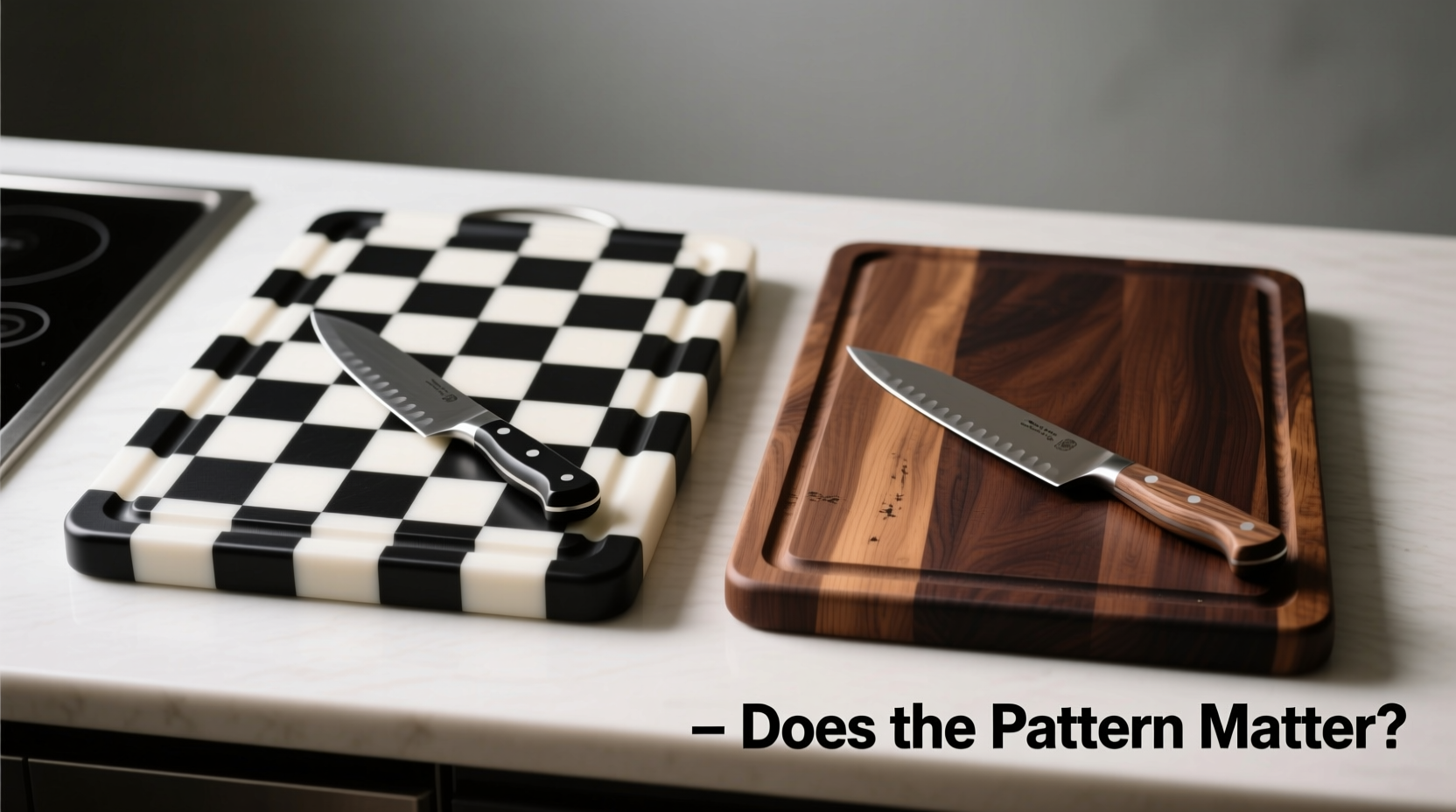
A checkerboard cutting board is constructed by arranging small blocks of wood into alternating light-and-dark squares, glued together in a grid pattern. Each block is typically cut so that the end grain faces upward, similar to traditional end-grain boards used by professional butchers. This method creates a distinctive mosaic appearance while also influencing how the board interacts with knives.
Because each square exposes the end grain, the surface offers some degree of self-healing—meaning knife blades slide between wood fibers rather than cutting through them. This reduces blade dulling over time and minimizes visible scarring. However, the increased number of glue joints introduces potential weak points, especially if low-quality adhesives are used or if the board isn’t properly sealed.
Solid Cutting Boards: Simplicity and Strength
In contrast, solid cutting boards are typically made from edge-grain or face-grain wood strips joined side-by-side. These boards have fewer seams and a more uniform structure, which enhances durability and simplifies maintenance. Edge-grain boards, in particular, offer a balance between hardness and knife-friendliness, making them ideal for heavy chopping tasks.
Face-grain boards (also known as plank-style) use the flat side of wide wood planks. While economical and attractive, they are more prone to swelling and shrinking across the grain, increasing the risk of cracking when exposed to moisture fluctuations. Still, their uninterrupted surface provides excellent stability and easier cleaning compared to multi-piece constructions like checkerboard designs.
One key advantage of solid boards is predictability. With consistent grain direction and minimal adhesive use, they tend to age more uniformly. When properly oiled and stored away from heat and water, these boards can last decades without significant degradation.
Performance Comparison: Function Over Form?
To assess whether the checkerboard pattern impacts usability, consider three critical factors: knife feel, sanitation, and long-term wear.
| Feature | Checkerboard Board | Solid Board |
|---|---|---|
| Kitchen Knife Interaction | Excellent; end-grain blocks cushion blade impact | Good; edge-grain resists dents but may dull knives faster |
| Bacterial Resistance | Moderate; many glue seams require thorough sealing | High; fewer seams reduce contamination risk |
| Durability | Depends on craftsmanship; vulnerable at joints | Generally high; stable grain structure |
| Maintenance Needs | Higher; frequent oiling needed to protect joints | Lower; simpler surface requires less upkeep |
| Aesthetic Appeal | High; decorative, artisanal look | Classic; blends into most kitchens |
The data suggests that while checkerboard boards excel in protecting knife edges, they demand greater care to maintain hygiene and structural integrity. Solid boards, though less forgiving on blades, offer superior resilience and ease of maintenance—especially for home cooks who prioritize practicality over visual flair.
“End-grain boards, including checkerboard styles, are fantastic for preserving sharpness, but only if they’re built with food-safe epoxy and maintained religiously.” — Daniel Park, Master Woodworker & Culinary Tool Designer
Real-World Example: A Home Chef’s Experience
Sarah M., a home cook in Portland, purchased a handcrafted walnut-and-maple checkerboard board for her anniversary. Initially thrilled by its beauty, she noticed within six months that moisture had begun seeping into some of the darker seams during routine washing. Despite regular mineral oil applications, two corners started to lift slightly after being left near the sink overnight.
She switched to a simpler, solid maple edge-grain board and found it not only dried faster but also resisted staining from turmeric and beet juice far better. “I missed the look of the checkerboard,” she admitted, “but I stopped worrying about damaging it every time I chopped onions or washed it.” Her experience reflects a common trade-off: aesthetic appeal versus everyday reliability.
Step-by-Step Guide to Choosing the Right Board
Follow this decision-making process to select the best board for your needs:
- Evaluate Your Cooking Frequency: Daily users benefit more from durable, low-maintenance solid boards.
- Assess Knife Quality: If you own high-end knives, an end-grain checkerboard may help preserve their edge.
- Consider Storage Conditions: Humid environments or proximity to dishwashers increase warping risks, especially for glued constructions.
- Review Cleaning Habits: If you tend to rinse and air-dry quickly, avoid boards with many seams.
- Set a Maintenance Schedule: Commit to oiling every 4–6 weeks to prevent drying and cracking, regardless of type.
Common Misconceptions About Patterned Boards
Many assume that the checkerboard design inherently improves functionality, but in reality, the pattern itself has no direct effect on cutting performance. What matters is the underlying grain orientation and build quality. Some manufacturers market checkerboard boards as “premium” due to labor-intensive assembly, but unless crafted with precision and waterproof adhesives, they aren’t necessarily superior.
Another myth is that dark and light woods in the pattern serve different purposes. In truth, the contrast is purely visual—walnut and maple, for example, are chosen for color differentiation, not because one is harder or safer than the other.
FAQ
Can I use a checkerboard board for meat and vegetables?
Yes, provided it's well-sealed and cleaned immediately after use. However, due to the multiple glue lines, deep grooves from cutting can become bacterial traps over time. For raw meat, many experts recommend using a separate plastic or composite board.
Are checkerboard boards worth the higher price?
Only if you value craftsmanship and aesthetics highly. Functionally, a well-made solid board performs just as well—and often lasts longer—with less upkeep.
Do solid boards show more knife marks?
Initially, yes. Edge-grain and face-grain boards display cuts more visibly than end-grain styles. However, regular sanding and oiling can refresh the surface, restoring smoothness without compromising integrity.
Conclusion: Does the Pattern Matter?
The checkerboard versus solid cutting board debate ultimately comes down to priorities. If you appreciate artisanal design and are committed to meticulous care, a high-quality checkerboard board can be a centerpiece of your kitchen—one that protects your knives and turns meal prep into a sensory experience. But if convenience, longevity, and hygiene top your list, a solid construction remains the smarter, more resilient choice.
Neither pattern is inherently better. What matters most is how the board fits your habits, environment, and expectations. By understanding the strengths and limitations of each design, you can make an informed decision that supports both culinary performance and kitchen safety.




 浙公网安备
33010002000092号
浙公网安备
33010002000092号 浙B2-20120091-4
Comments
No comments yet. Why don't you start the discussion?