
Providing a safe, clean, and comfortable space for hens to lay eggs is essential for any backyard flock. One of the most overlooked yet critical elements of hen welfare is the design and sizing of nesting boxes. A poorly sized or improperly arranged nesting area can lead to broken eggs, reduced laying frequency, and even behavioral issues like egg eating. Getting the dimensions right ensures your hens feel secure, reduces stress, and promotes consistent egg production.
Why Nesting Box Size Matters
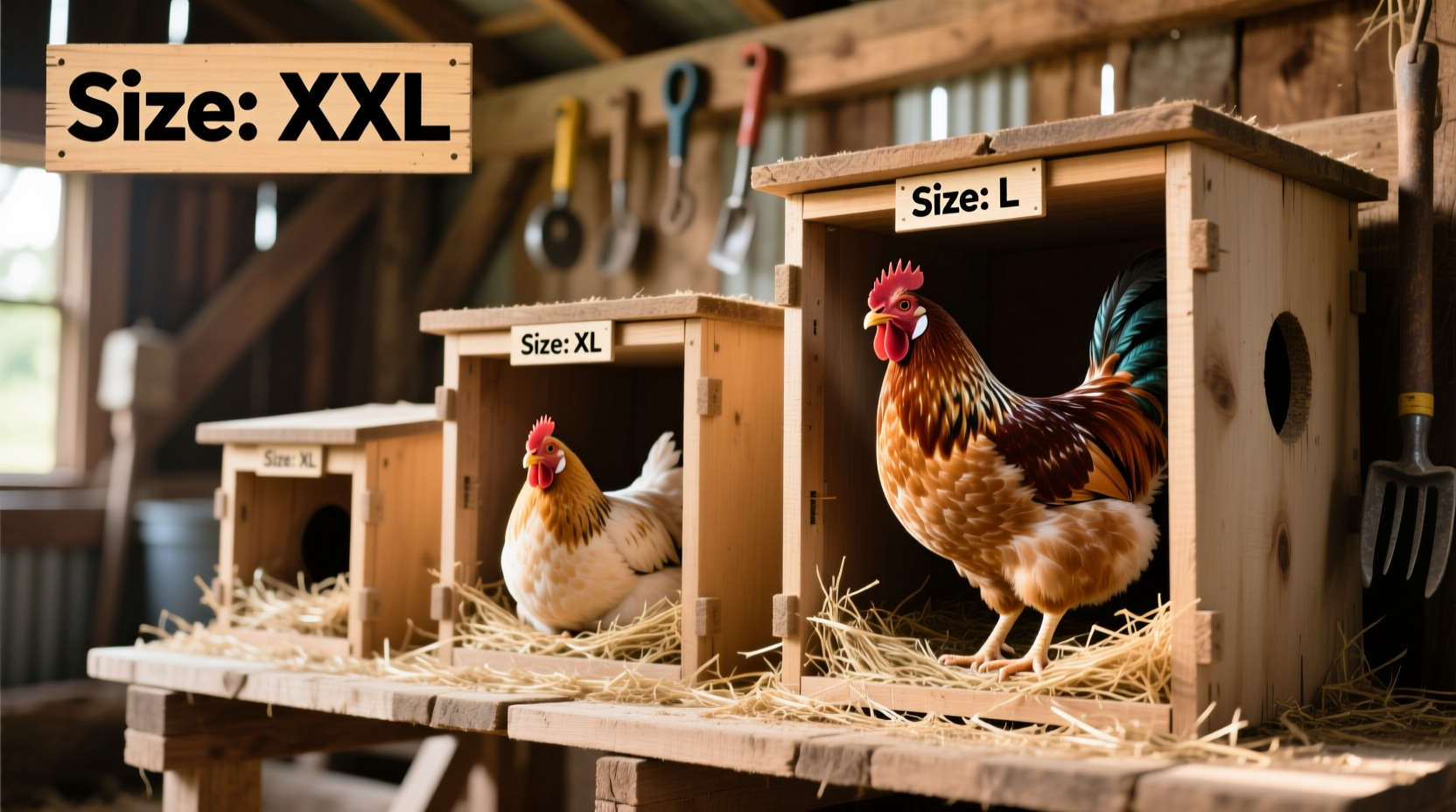
Chickens are creatures of habit, and their laying behavior is influenced by environment, privacy, and physical comfort. A nesting box that’s too small forces a hen to squeeze in uncomfortably, increasing the risk of cracked eggs due to cramped movement. Conversely, an oversized box may encourage multiple hens to occupy the same space, leading to competition, trampling, and soiled bedding.
The internal dimensions of a nesting box directly affect how a hen positions herself while laying. She needs enough room to turn around slightly, settle into a crouched position, and remain undisturbed during the 20–30 minutes it takes to lay an egg. Too much space invites other hens to follow, which can cause disturbances and increase the likelihood of egg breakage.
“Hens prefer dark, quiet, and confined spaces for laying. The right-sized nesting box mimics the natural cavities they’d seek in the wild.” — Dr. Karen Davis, Poultry Behavior Specialist
Recommended Dimensions for Chicken Nesting Boxes
The standard recommended interior size for a single nesting box is:
- Width: 12 inches (30 cm)
- Depth: 12–14 inches (30–36 cm)
- Height: 12–16 inches (30–40 cm) from floor to top of box
This size comfortably accommodates most medium to large breeds such as Rhode Island Reds, Plymouth Rocks, and Orpingtons. Bantam breeds may require slightly smaller boxes—around 10 inches wide and deep—but using the standard size typically works well without causing issues.
Nesting boxes should be elevated 18–24 inches off the ground to deter predators and keep bedding dry, but low enough for hens to access easily without jumping excessively. They should also be positioned away from roosting bars, as hens instinctively avoid defecating where they sleep and will not use a nesting box placed directly beneath perches.
How Many Nesting Boxes Do You Need?
A common mistake is providing one nesting box per hen. In reality, chickens are social layers and often prefer to lay in the same few boxes, even when others are available. Overcrowding leads to broken eggs and frustration.
The general rule is:
- One nesting box for every 3–4 hens.
- Always provide at least one extra box as a buffer.
- Place boxes in a quiet, dimly lit corner of the coop to enhance privacy.
For example, a flock of 12 hens requires only 3–4 nesting boxes. More than that offers no benefit and wastes space that could be used for roosting or ventilation.
Real Example: The Overstocked Coop
Sarah, a backyard keeper in Oregon, built six nesting boxes for her eight hens, assuming each bird would claim her own. Within weeks, she noticed eggs piling up in just two boxes, while the others sat unused. The overcrowding led to cracked shells and occasional egg-eating behavior. After removing two boxes and adding fresh straw, the hens redistributed more evenly across the remaining four. Egg breakage dropped by over 70%, and Sarah regained confidence in her flock’s productivity.
Design Features That Enhance Comfort and Function
Size isn’t the only factor—design plays a crucial role in encouraging proper use. Consider these features when building or selecting nesting boxes:
- Shared back wall: Build boxes side-by-side with shared walls to save materials and stabilize structure.
- Front lip: A 2–3 inch raised edge prevents eggs from rolling out and keeps bedding contained.
- Hinged roof or front panel: Allows easy access for cleaning and egg collection without disturbing the entire setup.
- Overhang or canopy: Adds shade and privacy, reducing light exposure that might discourage laying.
- Separate from roosts: Ensure nesting boxes are lower than roosting bars to prevent droppings from falling into them overnight.
| Feature | Recommended | Avoid |
|---|---|---|
| Box Width | 12 inches | Less than 10” or more than 16” |
| Number of Boxes | 1 per 3–4 hens | 1 per hen |
| Bedding Type | Straw, pine shavings | Cedar chips (toxic fumes) |
| Height from Floor | 18–24 inches | Below 12” or above 30” |
| Light Exposure | Low, shaded area | Bright or open locations |
Step-by-Step Guide to Building Ideal Nesting Boxes
Follow this sequence to create functional, hen-friendly nesting spaces:
- Measure your flock size: Determine how many boxes you need (one per 3–4 hens).
- Select materials: Use untreated wood to avoid chemical exposure. Avoid pressure-treated lumber.
- Cut to size: Each box should be approximately 12” x 12” x 12”, with a front lip of 2–3”.
- Assemble boxes: Join sides securely. Consider building a bank of connected boxes for stability.
- Elevate installation: Mount boxes 18–24 inches above the coop floor, away from drafts and roosts.
- Add bedding: Fill each box with 3–4 inches of soft, absorbent material.
- Test accessibility: Ensure all hens, including heavier breeds, can enter and exit easily.
- Monitor usage: Observe which boxes are used and adjust placement or number if needed.
Frequently Asked Questions
Can nesting boxes be too big?
Yes. Oversized boxes invite multiple hens to share, leading to stepped-on eggs and increased mess. Hens also tend to roost in overly spacious boxes at night, soiling the bedding with droppings.
Do different chicken breeds need different box sizes?
Most standard breeds fit comfortably in a 12” x 12” box. Larger breeds like Jersey Giants may benefit from a slight depth increase (up to 14”), while bantams do fine in slightly smaller spaces. However, uniform sizing simplifies construction and management.
Should nesting boxes be indoors or outside the coop?
Nesting boxes must be inside the main coop structure—protected from weather, predators, and temperature extremes. External boxes may seem convenient for egg collection but expose eggs and hens to risks.
Final Thoughts and Action Steps
The comfort of your hens directly impacts egg quality and laying consistency. By choosing the right size—12 inches square—and providing one box per 3–4 hens, you create an environment that supports natural behavior and minimizes stress. Combine proper sizing with clean bedding, privacy, and smart placement, and your flock will reward you with reliable, high-quality eggs.
Take action today: evaluate your current nesting setup. Are boxes too small? Too numerous? Poorly placed? Make adjustments based on your hens’ actual usage—not assumptions. Small improvements can yield significant results in both hen happiness and harvest.




 浙公网安备
33010002000092号
浙公网安备
33010002000092号 浙B2-20120091-4
Comments
No comments yet. Why don't you start the discussion?