
Stepping barefoot onto a soft rug first thing in the morning sets the tone for the day. The right bedroom rug does more than just fill empty floor space—it enhances comfort, defines the room’s aesthetic, and contributes to a restful atmosphere. But with so many materials available, from plush wool to budget-friendly synthetics, selecting the ideal one can feel overwhelming. The key lies in understanding how each material performs in terms of texture, durability, maintenance, and environmental impact—especially in a low-traffic but highly personal space like the bedroom.
Why Rug Material Matters in the Bedroom
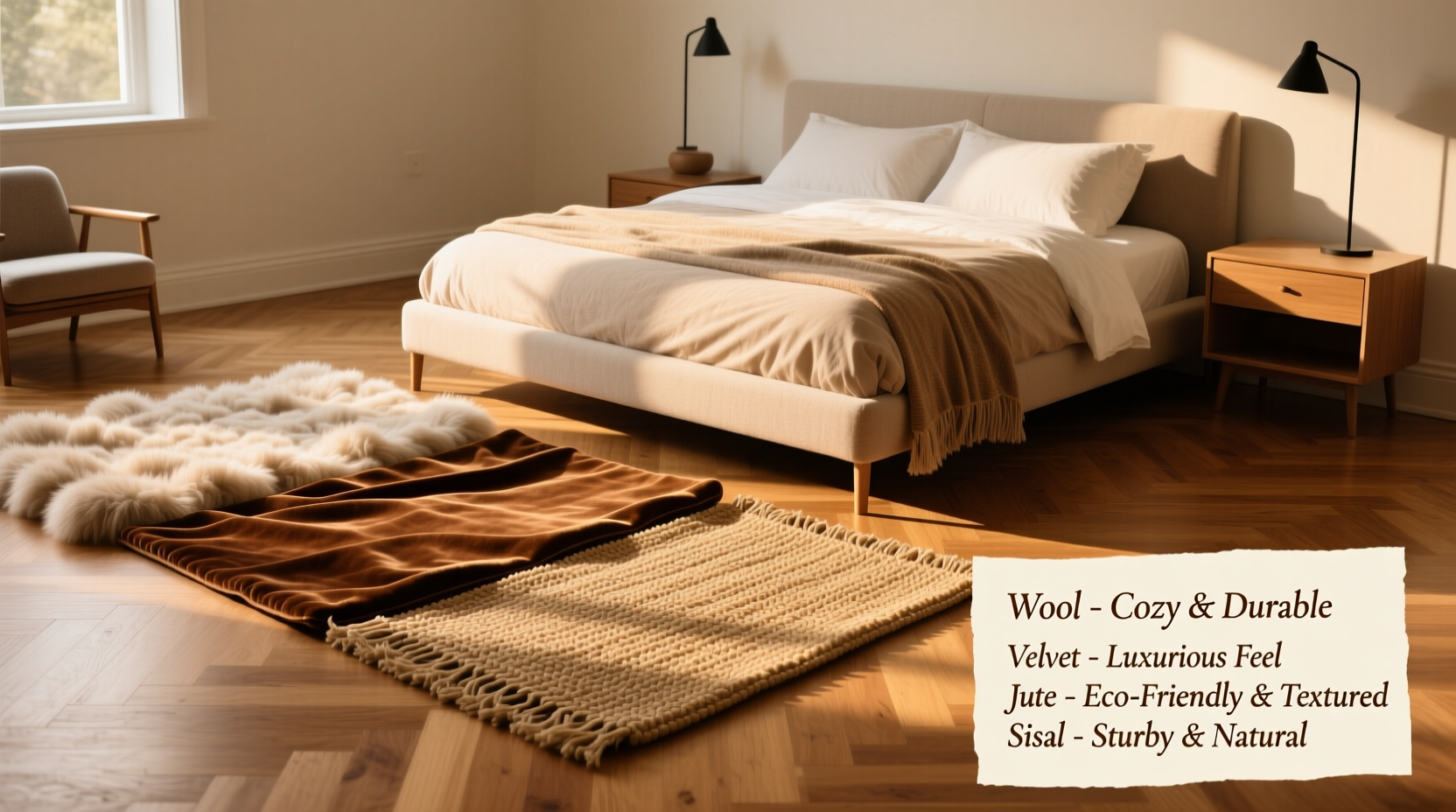
The bedroom is a sanctuary for relaxation, making comfort a top priority. Unlike high-traffic areas such as hallways or living rooms, bedrooms don’t demand extreme durability—but they do require warmth, softness underfoot, and compatibility with your lifestyle. A poorly chosen rug might shed excessively, trap allergens, or feel too stiff when you rise at night. On the other hand, the right material can elevate both comfort and design, offering acoustic insulation, temperature regulation, and visual harmony with your bedding and furniture.
Material choice also affects long-term value. Natural fibers tend to age gracefully but may require more care, while synthetic options often resist stains and moisture but can lack breathability. Understanding these trade-offs helps you make a decision that aligns not only with your taste but with your daily routine.
Top Rug Materials Compared: Pros, Cons & Best Uses
Below is a detailed comparison of the most common rug materials used in bedrooms, highlighting their performance across key categories.
| Material | Softness | Durability | Maintenance | Allergen-Friendly? | Best For |
|---|---|---|---|---|---|
| Wool | ★★★★★ | ★★★★☆ | ★★★☆☆ (dry clean recommended) | Yes (naturally resistant) | Luxury feel, temperature regulation |
| Cotton | ★★★★☆ | ★★★☆☆ | ★★★★☆ (machine washable) | Yes (if washed regularly) | Lightweight, casual styles, kids’ rooms |
| Silk | ★★★★★ | ★★☆☆☆ | ★☆☆☆☆ (professional cleaning) | No (attracts dust mites) | Decorative accents, formal bedrooms |
| Polyester | ★★★☆☆ | ★★★★☆ | ★★★★★ (stain-resistant, easy clean) | Yes (low allergen retention) | Budget-friendly, pet-friendly spaces |
| Nylon | ★★★★☆ | ★★★★★ | ★★★★☆ (vacuum & spot clean) | Yes (resists mold/mildew) | Families, high-use bedrooms |
| Jute & Sisal | ★☆☆☆☆ | ★★★★☆ | ★★☆☆☆ (hard to clean, avoid moisture) | Yes (but sheds fibers) | Textural contrast, boho or coastal decor |
While wool leads in overall quality and comfort, synthetic fibers like nylon and polyester offer resilience and ease of maintenance—ideal for homes with children or pets. Natural plant-based fibers like jute bring earthy charm but aren’t suited for those seeking plush underfoot experiences.
Matching Material to Your Lifestyle
Your daily habits should guide your selection as much as your design preferences. Consider the following real-life example:
Mini Case Study: The Morning Routine Factor
Alex, a nurse who works night shifts, values silence and softness in her bedroom. She initially chose a thin cotton rug for its washability but found it offered little sound absorption and wore down quickly from nightly foot traffic. After switching to a mid-pile wool rug, she noticed immediate improvements: fewer disturbances from creaking floors, warmer mornings, and a more cohesive look with her linen bedding. Though the wool required professional cleaning twice a year, the investment paid off in comfort and longevity.
This illustrates a broader principle: function must precede form. Ask yourself:
- Do you walk around barefoot or in socks frequently?
- Is the room shared with children or pets?
- Do you live in a humid climate or basement-level bedroom?
- How often are you willing to clean or maintain the rug?
For instance, wool excels in dry, temperate climates but can develop mildew if exposed to prolonged dampness. Nylon, though synthetic, resists moisture and is ideal for humid regions. Cotton dhurries are perfect for summer months but may feel too thin in colder seasons unless layered.
“Bedroom rugs should support sensory well-being. Wool remains unmatched in thermal regulation and comfort, making it the gold standard for primary sleeping spaces.” — Lena Torres, Interior Textile Consultant
Step-by-Step Guide to Choosing Your Ideal Bedroom Rug
Follow this five-step process to ensure your choice is both practical and stylish:
- Assess Your Floor Type: Hardwood and tile benefit most from padded rugs. If you have carpet, opt for low-profile materials like flatweave cotton to avoid tripping hazards.
- Determine Size and Placement: Leave at least 6–12 inches of exposed floor around the rug’s edges. A common mistake is choosing a rug too small; aim for one that extends beyond the bed’s sides by 18–24 inches.
- Test for Softness: Visit a showroom if possible. Press your hand into the pile—does it spring back? Is the backing flexible? High twist wool or frieze nylon holds up better over time.
- Evaluate Maintenance Needs: Check care labels. Machine-washable cotton rugs suit renters or busy households. Delicate silks require professional upkeep and should be reserved for low-use settings.
- Align with Room Aesthetic: Match the rug’s color and texture to your existing palette. A shaggy white wool rug complements minimalist Scandinavian design, while a patterned polypropylene rug adds vibrancy to eclectic spaces without breaking the bank.
Checklist: Before You Buy
- ☐ Measure your bedroom and sketch rug placement
- ☐ Confirm cleaning method compatibility (spot clean, machine wash, dry clean)
- ☐ Test sample swatches for texture and color accuracy under natural light
- ☐ Verify anti-slip backing or plan to use a rug pad
- ☐ Check for certifications like Oeko-Tex (non-toxic dyes) or GoodWeave (ethical production)
Frequently Asked Questions
Can I use a wool rug on heated floors?
Yes, but with caution. High-quality wool rugs are heat-resistant, but prolonged exposure to intense radiant heating can cause fibers to dry out. Use a breathable underlay and avoid direct contact with heating vents.
Are synthetic rugs safe for bedrooms?
Modern synthetics like nylon and solution-dyed polyester are safe and low-emission, especially if labeled as VOC-free. Look for CertiPUR-US or Greenguard certification to ensure indoor air quality isn’t compromised.
How do I prevent my rug from shedding?
Shedding is common in new wool and cotton rugs. Vacuum gently with a brushless attachment for the first few weeks. Persistent shedding beyond two months may indicate poor construction.
Final Thoughts: Comfort Meets Intentional Design
Selecting the ideal bedroom rug isn’t about chasing trends—it’s about creating a space that feels inherently yours. Whether you prioritize the cloud-like softness of wool, the practicality of polyester, or the organic texture of jute, your choice should reflect how you experience the room every day. Invest time in evaluating materials not just by appearance, but by how they support your sleep, movement, and peace of mind.




 浙公网安备
33010002000092号
浙公网安备
33010002000092号 浙B2-20120091-4
Comments
No comments yet. Why don't you start the discussion?