
Selecting an animal table lamp is more than just a decorative decision—it’s about balancing function, proportion, and personality. Whether it’s a whimsical giraffe for a child’s bedroom or a sleek fox silhouette in a modern living room, the right size ensures the lamp enhances the space without overwhelming it. Too large, and it dominates the surface; too small, and it gets lost. This guide walks through the key considerations for choosing the ideal size animal table lamp tailored to each room in your home.
Understanding Scale and Proportion
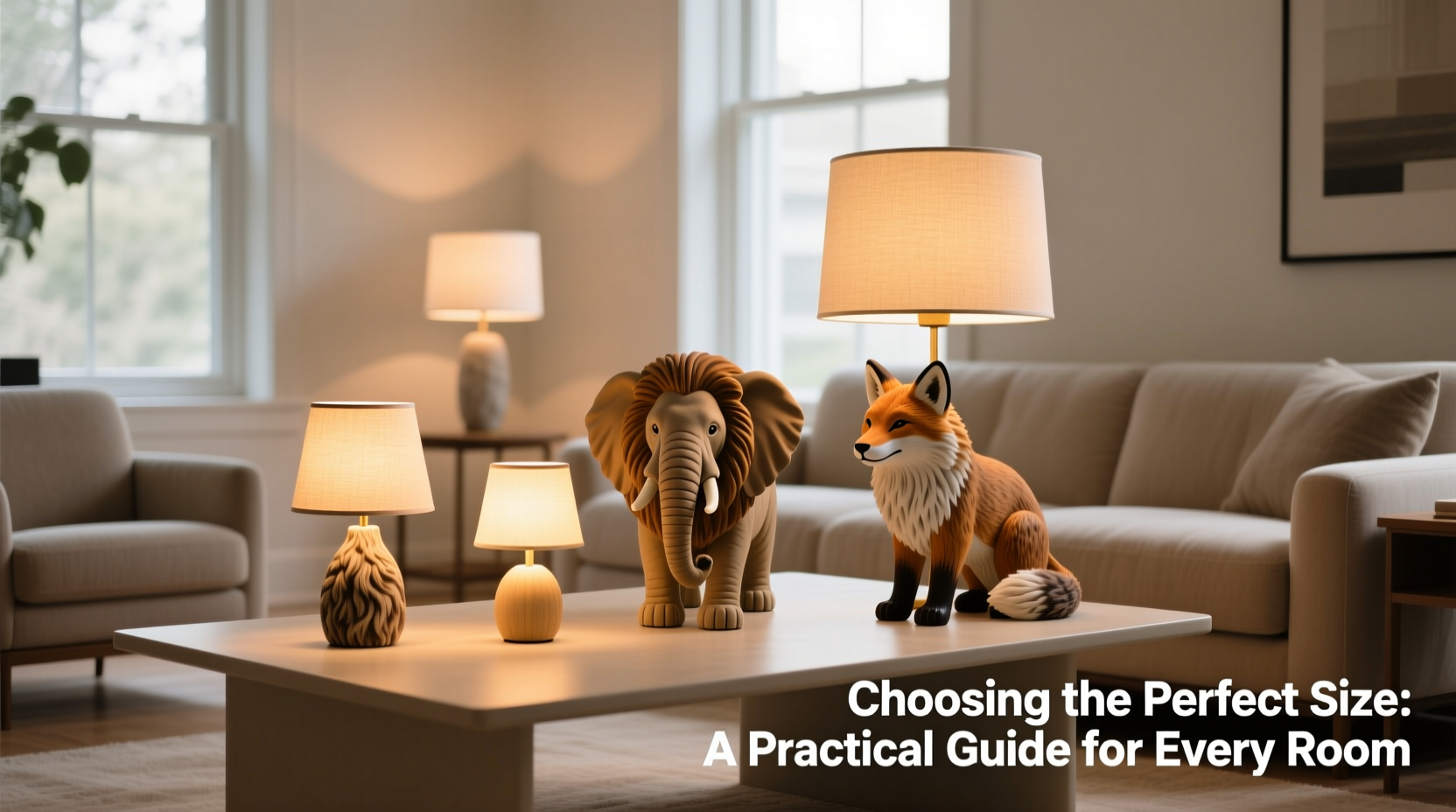
The visual weight of a lamp depends not only on its height but also on its base width and overall silhouette. A bulky ceramic elephant may take up less vertical space than a tall wire-frame rabbit, yet feel heavier in the room due to its mass. Begin by measuring the surface where the lamp will sit—typically a nightstand, console table, or sideboard. As a rule, the lamp should occupy no more than one-third of the table’s surface width to maintain balance.
Additionally, consider sightlines. When seated beside a sofa or lying in bed, the bottom of the lampshade should fall at or slightly above eye level to prevent glare. For most standard nightstands (24–28 inches high), a table lamp between 24 and 30 inches total height works best. In contrast, a narrow entryway table may only accommodate a compact 18-inch lamp without obstructing movement or views.
Room-by-Room Sizing Guidelines
Different rooms serve different functions, and lighting needs vary accordingly. Here’s how to tailor your animal table lamp size to specific spaces.
Bedroom: Comfort and Functionality
In the bedroom, bedside lamps are essential for reading and setting a calming mood. Choose a lamp that allows the shade to sit between 36 and 48 inches from the floor—this aligns with average sitting height on a mattress. A medium-sized animal lamp (24–30 inches) typically fits standard nightstands. If the nightstand is narrow (under 18 inches wide), opt for a slimmer base or a wall-mounted animal-style swing-arm lamp to save surface space.
Living Room: Style with Presence
Living room side tables often allow for bolder choices. Lamps here can range from 28 to 34 inches tall, especially if paired with taller furniture like sectionals or deep armchairs. An oversized bear or deer motif can act as a conversation piece, but ensure it doesn’t block sightlines across the room. Symmetry matters—if using two lamps, keep them identical in size and style to maintain visual harmony.
Child’s Room: Safety and Personality
Kids’ rooms invite playful designs, but safety and proportion remain critical. Avoid top-heavy animal lamps that could tip over. Instead, select models under 20 inches with weighted bases. Soft LED lighting is ideal for nighttime comfort. Consider themes that grow with the child—a stylized owl or lion can transition from toddler years into adolescence with the right color palette and design sophistication.
Home Office or Study: Task Lighting First
In workspaces, functionality takes precedence. The lamp must provide ample illumination for reading and writing without casting shadows. A desk-height animal lamp (20–26 inches) with an adjustable neck or directional shade offers flexibility. Avoid overly ornate figures that obscure light output. Opt for neutral-toned shades that diffuse light evenly.
Entryway and Hallways: Subtle Ambiance
Narrow surfaces in hallways or entry consoles require compact fixtures. Lamps between 18 and 24 inches tall work best. Choose animal designs with a smaller footprint—such as a perched bird or crouching cat—that add charm without cluttering tight spaces. Motion-sensor or touch-dimmable versions enhance usability in low-light entries.
Material and Design Impact on Perceived Size
A lamp’s material influences how large or small it appears. Transparent resin or slender metal frames create a lighter visual impression, allowing for slightly larger dimensions. In contrast, solid ceramic or wood animal lamps, even if modest in measurement, can feel massive due to their density.
Consider the environment: a delicate glass flamingo may get lost on a heavy wooden chest but shine on a minimalist glass table. Similarly, a dark bronze moose might overpower a pastel nursery but anchor a rustic cabin-themed den.
“Scale isn't just about measurements—it's about visual harmony. A well-proportioned lamp completes a space; one that’s off-balance distracts from it.” — Lena Pruitt, Interior Lighting Consultant
Step-by-Step Guide to Choosing the Right Size
Follow this five-step process to confidently select the perfect animal table lamp for any room:
- Measure the surface. Record the height, width, and depth of the table or stand where the lamp will be placed.
- Evaluate surrounding furniture. Note the height of adjacent pieces (e.g., bed frame, sofa back) to match sightline expectations.
- Determine primary function. Is the lamp for task lighting (reading, working) or ambient mood setting? Task lighting requires higher brightness and precise positioning.
- Assess existing décor. Match the lamp’s visual weight to the room’s style—minimalist spaces suit slender forms; traditional rooms welcome sturdier builds.
- Test proportions virtually. Use painter’s tape to outline the lamp’s footprint on the table, or view augmented reality previews via retailer apps if available.
Lamp Size Comparison Table
| Room | Table Height (in) | Lamp Height (in) | Max Base Width (in) | Recommended Style |
|---|---|---|---|---|
| Bedroom | 24–28 | 24–30 | 8 | Medium animal with soft shade |
| Living Room | 26–30 | 28–34 | 10 | Bold or sculptural animal form |
| Child’s Room | 20–24 | 16–20 | 7 | Sturdy, themed animal with LED |
| Home Office | 28–30 | 20–26 | 8 | Adjustable neck, functional design |
| Entryway | 22–26 | 18–24 | 6 | Compact, decorative animal |
Real-World Example: The Smith Family Living Room
The Smiths wanted to add character to their neutral-toned living room with an animal table lamp. Their initial choice—a 36-inch-tall horse sculpture—overshadowed the side table and blocked the view of the fireplace when seated. After reassessing, they selected a 30-inch bronze fox with a lower profile base and a wider, diffusing shade. The new lamp provided warm ambient light and became a subtle focal point without disrupting the room’s flow. The change demonstrated how even a few inches in height can dramatically affect both aesthetics and usability.
Frequently Asked Questions
Can I use a large animal lamp on a small table?
Generally, no. A large lamp on a small surface creates imbalance and increases the risk of tipping. If you love a bold design, consider mounting it on a nearby floor stand or selecting a smaller version of the same motif.
How do I know if a lamp is too tall for a nightstand?
If the top of the shade extends significantly above the headboard when lying down, or if it blocks your view across the bed, it’s likely too tall. Aim for the bottom of the shade to align with your shoulder or chin when seated upright in bed.
Are there universal sizing rules for all animal table lamps?
While general height and proportion guidelines apply, animal lamps vary widely in shape and center of gravity. Always assess the specific model’s footprint and stability, especially if it features extended limbs or asymmetrical forms like a leaping dolphin or rearing horse.
Final Checklist Before Buying
- ✅ Measured table dimensions and room sightlines
- ✅ Confirmed lamp height matches recommended range for the room
- ✅ Checked base width to ensure stability and surface compatibility
- ✅ Verified bulb type and brightness (lumens) meet functional needs
- ✅ Ensured power source access (outlet or battery/USB option)
- ✅ Evaluated material durability for household conditions (e.g., kids, pets)
Make Your Space Come Alive
Choosing the perfect size animal table lamp blends practicality with imagination. It’s not just about illumination—it’s about adding a touch of narrative and warmth to your home. By respecting proportions, understanding room dynamics, and selecting thoughtfully crafted designs, you can turn a simple lamp into a meaningful accent that delights daily. Whether it’s a tiny penguin for a hallway nook or a majestic stag for your study, let scale guide your choice and personality inspire it.




 浙公网安备
33010002000092号
浙公网安备
33010002000092号 浙B2-20120091-4
Comments
No comments yet. Why don't you start the discussion?