
Sleep quality hinges on more than just a comfortable mattress or the right room temperature. One often overlooked factor is the fabric of your pillowcase. As interest in sleep hygiene grows, so does the market for premium bedding—especially pillowcases made from materials like plush (typically polyester microfiber) and silk. With silk versions often costing three to five times more than plush alternatives, consumers are left wondering: Is the higher price justified by better sleep and long-term benefits?
The answer isn’t as simple as “silk is better.” It depends on your sleep habits, skin sensitivity, hair type, budget, and personal preferences. Let’s examine both options beyond marketing claims to determine whether spending more truly translates into deeper, more restorative sleep.
Material Breakdown: What Are Plush and Silk Pillowcases Made Of?
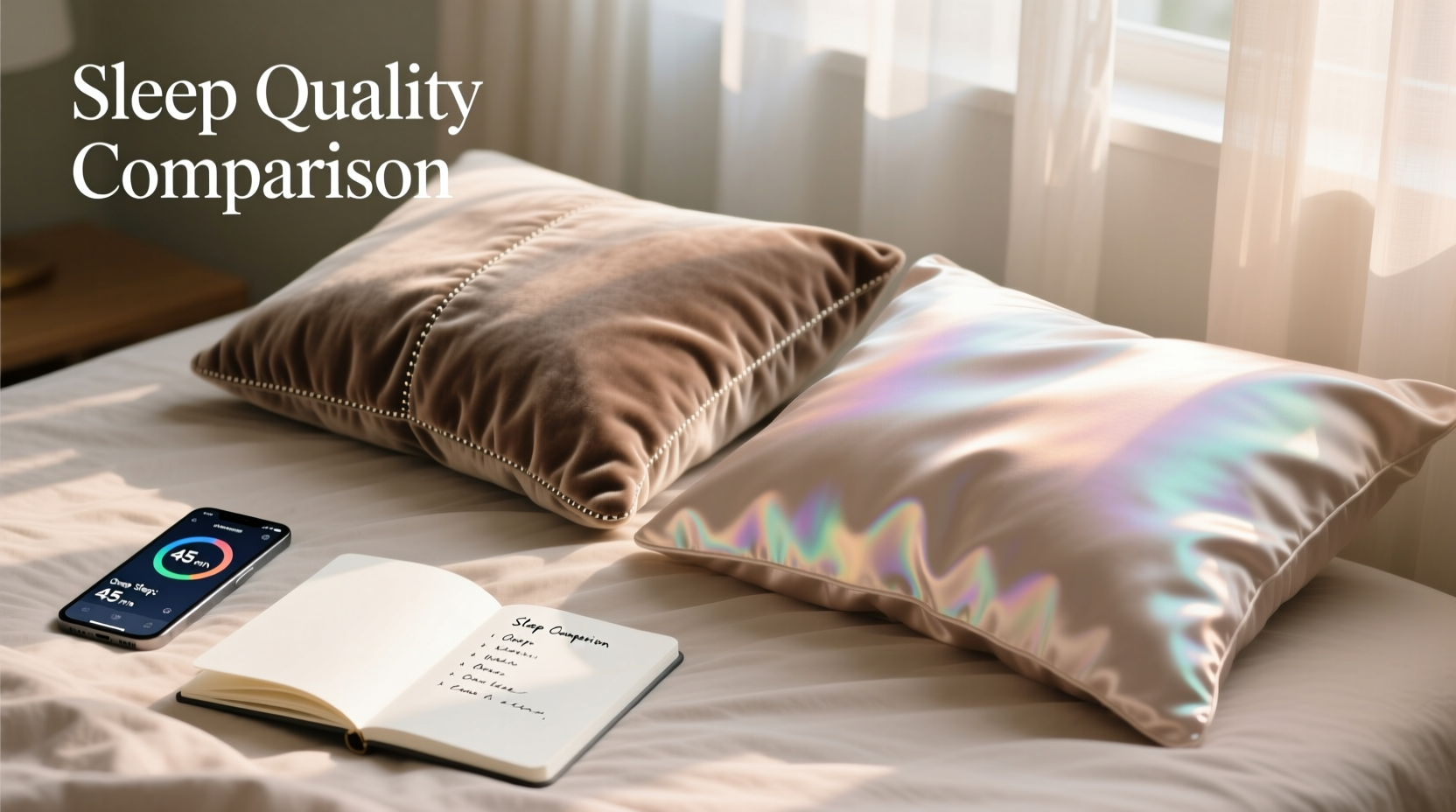
Plush pillowcases are typically constructed from synthetic fibers, most commonly polyester microfiber. These fibers are tightly woven to create a soft, velvety texture that feels warm and cozy against the skin. The plush finish gives a luxurious hand-feel at a fraction of the cost of natural fabrics.
In contrast, silk pillowcases are usually made from mulberry silk—a natural protein fiber produced by silkworms. High-quality silk pillowcases use 19–25 momme (mm) weight silk, which refers to the density of the fabric. True silk is smooth, lightweight, and naturally hypoallergenic.
It's important to note that not all \"silk\" pillowcases are created equal. Many affordable options labeled as silk are actually made from polyester satin, which mimics the sheen of silk but lacks its breathability and moisture-wicking properties. Always check the label for “100% mulberry silk” to ensure authenticity.
Comfort and Sleep Quality: How Do They Feel Night After Night?
Comfort plays a pivotal role in how quickly you fall asleep and how often you wake up during the night. Both plush and silk offer distinct tactile experiences:
- Plush: Offers a warm, cushioned feel ideal for cold climates or those who prefer a snuggly sensation. However, the synthetic fibers can trap heat, potentially leading to night sweats or discomfort for hot sleepers.
- Silk: Provides a cool, smooth glide that reduces friction between your skin and the pillow. This makes it easier to shift positions without disturbance, which may benefit light sleepers.
A 2020 study published in *Sleep Science and Practice* found that participants using low-friction pillowcases reported fewer nighttime awakenings related to physical discomfort. While the study didn’t isolate silk specifically, its low coefficient of friction aligns with these findings.
Health and Beauty Benefits: Skin and Hair Impact Compared
One of the strongest arguments for investing in silk lies in dermatological and trichological benefits.
Skin: Cotton and plush fabrics absorb moisture, including facial serums and natural oils. Silk, being less absorbent, helps retain skincare products on your face. Dermatologists often recommend silk for people with acne-prone or sensitive skin because it reduces irritation and minimizes bacterial transfer.
“Silk’s smooth surface creates less friction, which can help reduce sleep lines and support overall skin hydration—especially beneficial for mature or dry skin types.” — Dr. Lena Torres, Board-Certified Dermatologist
Hair: Silk’s low friction also protects hair integrity. Unlike plush or cotton, silk doesn’t tug on strands during movement, reducing breakage, frizz, and split ends. This is particularly valuable for curly, coily, or chemically treated hair.
Plush pillowcases, while soft, can cause static and pull on delicate hair due to their slightly textured surface. Over time, this may contribute to morning tangles and increased styling effort.
Comparison Table: Plush vs Silk Pillowcases
| Feature | Plush (Microfiber) | Silk (Mulberry) |
|---|---|---|
| Price Range | $8–$20 | $40–$100+ |
| Durability | Good (3–5 years with care) | Moderate (2–4 years; delicate wash) |
| Care Requirements | Machine washable, low maintenance | Hand wash or gentle cycle; air dry |
| Thermoregulation | Retains heat; best for cold climates | Breathable; stays cool in summer |
| Hair & Skin Friendliness | May cause friction and dryness | Reduces friction; retains moisture |
| Allergy Considerations | Can harbor dust mites if not washed frequently | Naturally hypoallergenic and resistant to dust mites |
Real-Life Example: A Side-by-Side Trial
Sarah, a 34-year-old graphic designer with curly, high-porosity hair and mild rosacea, decided to test both pillowcase types over a six-week period. She used a plush microfiber case for three weeks, then switched to a 22-momme mulberry silk option.
During the plush phase, she noticed increased morning frizz and had to reapply moisturizer nightly due to skin dryness. After switching to silk, her hair required less detangling, and she reported fewer flare-ups of her rosacea. While the initial cost gave her pause, Sarah concluded the investment was worthwhile given the reduction in skincare and haircare time—and the improvement in her sleep confidence.
“I didn’t expect such a noticeable difference,” she said. “But now I wouldn’t go back. I sleep better knowing my skin and hair aren’t being damaged overnight.”
Is the Higher Price of Silk Worth It?
Spending more doesn’t automatically mean better sleep—but in the case of silk versus plush, the added cost often correlates with tangible functional advantages. The key is determining whether those benefits align with your needs.
If you prioritize:
- Budget-friendliness and ease of care → Plush is practical and durable.
- Skin health, hair protection, or temperature regulation → Silk offers measurable advantages worth the investment.
However, be cautious of inflated prices based solely on branding. Some silk pillowcases charge premium rates for minimal increases in quality. Look for third-party certifications (like OEKO-TEX®) and customer reviews focusing on long-term performance rather than initial softness.
Step-by-Step Guide: Choosing the Right Pillowcase for You
- Assess your primary concern: Is it comfort, skin health, hair protection, or cost?
- Determine your sleep environment: Hot sleepers benefit more from silk; cold sleepers may prefer plush.
- Check material authenticity: For silk, verify “100% mulberry silk” and momme weight (19 mm or higher).
- Evaluate care commitment: Can you hand-wash or use a delicates cycle regularly?
- Test one pillowcase first: Try silk on a single pillow before upgrading your entire set.
Frequently Asked Questions
Do silk pillowcases really prevent wrinkles?
While no pillowcase eliminates aging, silk reduces sleep creases caused by repeated folding of skin against rough fabric. Over time, this may delay the formation of permanent expression lines. It’s not a substitute for skincare, but it can complement an anti-aging routine.
Can I machine wash silk pillowcases?
Yes, but only on a gentle cycle with cold water and mild detergent. Use a mesh laundry bag and avoid bleach or fabric softeners. Air drying is recommended to preserve fiber strength and sheen.
Are there eco-friendly alternatives to both?
Absolutely. Consider organic bamboo or TENCEL™ lyocell pillowcases. These materials offer silk-like smoothness, excellent breathability, and sustainable production processes—often at a mid-range price point.
Final Thoughts: Better Sleep Isn’t Just About Price—It’s About Fit
Spending more on a silk pillowcase can lead to better sleep—but only if its properties address your specific needs. For individuals with sensitive skin, fragile hair, or a tendency to overheat, silk’s advantages are well-supported by both anecdotal evidence and scientific reasoning. For others, especially those on a tight budget or in colder climates, plush remains a comfortable and sensible choice.
The decision shouldn’t be driven by price tags or influencer trends, but by how each material interacts with your body and lifestyle. Thoughtful experimentation, informed by facts rather than hype, is the true path to improved sleep hygiene.




 浙公网安备
33010002000092号
浙公网安备
33010002000092号 浙B2-20120091-4
Comments
No comments yet. Why don't you start the discussion?