
Your smartphone is more than just a communication device—it’s a personal tool, a productivity hub, and often an extension of your identity. With such reliance on this compact piece of technology, protecting it becomes essential. Yet, not all phone cases are created equal. The ideal case doesn’t just prevent damage; it aligns with your lifestyle, reflects your taste, and enhances usability. Balancing aesthetics, durability, and function requires thoughtful consideration. This guide breaks down how to choose a phone case that truly fits your needs—without compromising on any front.
Assess Your Lifestyle and Usage Patterns
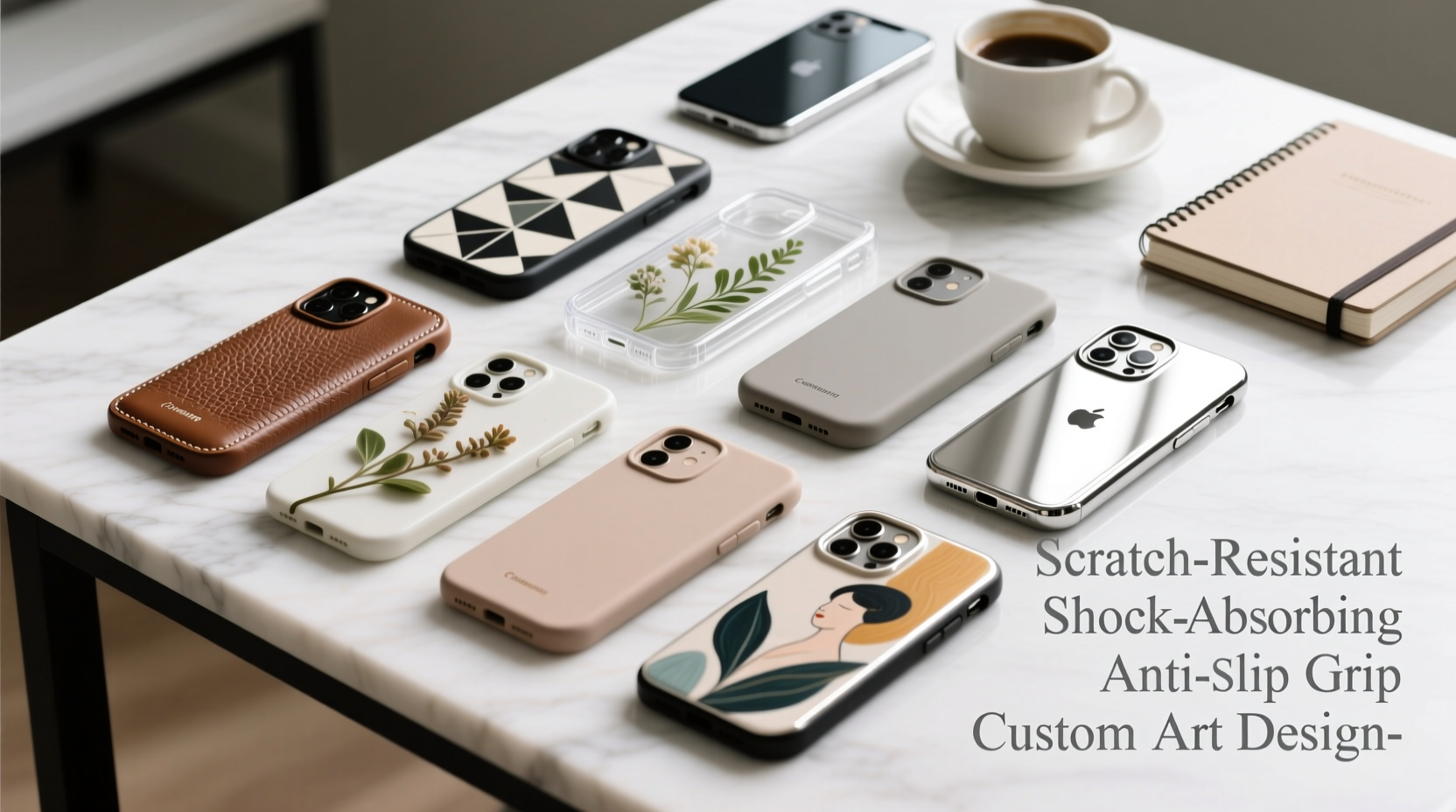
The first step in selecting the right phone case is understanding how you use your phone. A case suitable for someone working in an office may fall short for a hiker or construction worker. Consider your daily routine: Do you frequently carry your phone in a bag? Are you prone to dropping it? Do you travel often?
For example, if you're active outdoors or work in rugged environments, a heavy-duty case with reinforced corners and raised edges around the screen might be necessary. Conversely, if you mostly keep your phone on a desk or in a purse, a slim, stylish case could suffice.
Understand Protection Levels and Materials
Phone cases vary widely in materials, each offering different benefits. Common options include silicone, TPU (thermoplastic polyurethane), polycarbonate, leather, and hybrid combinations. Understanding these helps you make informed decisions based on durability, feel, and longevity.
| Material | Pros | Cons |
|---|---|---|
| Silicone | Soft grip, shock-absorbent, affordable | Attracts dust, may discolor over time |
| TPU | Durable, flexible, good impact resistance | Can yellow with UV exposure |
| Polycarbonate | Rigid, scratch-resistant, sleek finish | Less shock absorption than softer materials |
| Leather | Elegant look, ages well, premium feel | Higher cost, less drop protection unless combined |
| Hybrid (TPU + PC) | Balances flexibility and rigidity, excellent protection | Slightly bulkier than minimalist options |
Experts recommend hybrid cases for users seeking both protection and refinement. As noted by Daniel Reed, a mobile accessories designer:
“Most damage occurs at the corners during drops. A dual-material case with TPU bumpers and a polycarbonate shell offers optimal structural defense.” — Daniel Reed, Product Designer at TechArmor Solutions
Design That Reflects Your Personal Style
While protection is critical, many people view their phone as a fashion accessory. From minimalist clear cases to bold graphic prints, your choice says something about you. But style shouldn’t come at the expense of substance.
Consider transparent cases if you want to showcase your phone’s original color while adding protection. For those who enjoy self-expression, artistic prints, textured finishes, or even customizable photo cases offer creative freedom. However, avoid overly ornate designs that add unnecessary bulk or interfere with wireless charging or port access.
- Clear cases highlight phone color but may show scratches or discoloration over time.
- Matt-finish cases resist fingerprints and smudges better than glossy ones.
- Customizable cases allow personalization but ensure they’re made from quality materials.
Mini Case Study: Sarah’s Commute Upgrade
Sarah, a freelance photographer, used a thin glitter case she loved for its aesthetic. After two cracked screens in six months—from slipping out of her hand on subway stairs—she switched to a matte black hybrid case with military-grade drop protection. Though less flashy, it survived multiple falls from waist height and still looks new after a year. She now uses a detachable lanyard for added security, proving that blending practicality with subtle style improved both her peace of mind and device longevity.
Functionality Features Worth Considering
Today’s phone cases go beyond basic protection. Many include features designed to improve usability. Evaluate which functionalities matter most to you:
- Drop Protection Rating: Look for cases tested to MIL-STD-810G standards or equivalent drop-test certifications.
- Port and Button Accessibility: Ensure precise cutouts so speakers, cameras, and buttons remain fully functional.
- Wireless Charging Compatibility: Choose cases under 3mm thick or explicitly labeled as Qi-compatible.
- Mounting Options: Magnetic cases or those compatible with car mounts and stands enhance convenience for drivers or multitaskers.
- Wallet Integration: Some cases include card slots—handy for minimalists but potentially risky if lost.
Step-by-Step Guide: How to Choose Your Ideal Phone Case
- Identify your risk level: Do you often drop your phone? Work in dusty or wet conditions?
- Determine your priority: Is maximum protection, sleek design, or added functionality most important?
- Check compatibility: Confirm the case fits your exact phone model and supports wireless charging if needed.
- Review material trade-offs: Balance durability, weight, and appearance using the comparison table above.
- Read verified user reviews: Focus on long-term feedback about yellowing, wear, and actual drop performance.
- Purchase from reputable brands: Stick with known manufacturers like OtterBox, Spigen, or Nomad for reliability.
Frequently Asked Questions
Do clear phone cases really yellow over time?
Yes, especially cheaper TPU clear cases exposed to UV light, heat, or oils from hands. Higher-quality versions with anti-yellowing coatings last longer—typically 6–12 months before noticeable discoloration.
Are expensive phone cases worth it?
They often are. Premium cases use superior materials, undergo rigorous testing, and offer better fit and finish. If you rely heavily on your phone or live an active lifestyle, investing $30–$50 in a durable case can save hundreds in repair costs.
Can I recycle old phone cases?
Most standard plastic or silicone cases aren't accepted in curbside recycling. However, some brands like Pela offer compostable biobased cases, and programs like TerraCycle partner with retailers to collect used accessories for proper processing.
Final Thoughts: Make a Choice That Lasts
Selecting the right phone case isn’t about picking the flashiest option or defaulting to the cheapest one. It’s about making a deliberate decision that considers how you live, what you value, and how much you depend on your device. The best case protects without getting in the way, complements your style without shouting for attention, and enhances your experience rather than complicating it.
Whether you opt for rugged armor or minimalist elegance, remember that consistency matters—using your case properly, cleaning it regularly, and replacing it when worn ensures lasting protection. Don’t wait until after a cracked screen to take this small but impactful decision seriously.




 浙公网安备
33010002000092号
浙公网安备
33010002000092号 浙B2-20120091-4
Comments
No comments yet. Why don't you start the discussion?