
For those with oily skin, achieving a clear, matte complexion can feel like a constant battle. Excess sebum, clogged pores, and occasional breakouts make it essential to choose skincare products that not only manage oil but also promote clarity and balance. Two popular options—clay face masks and sheet masks—are frequently recommended, but they work in very different ways. Understanding their mechanisms, benefits, and limitations is crucial when deciding which one will deliver clearer skin faster for oily skin types.
While both have their place in a skincare routine, their speed, depth of action, and long-term impact on oily skin vary significantly. This article breaks down the science behind each, compares their effectiveness, and offers practical guidance backed by dermatological insight to help you make an informed decision.
How Oily Skin Responds to Different Mask Types
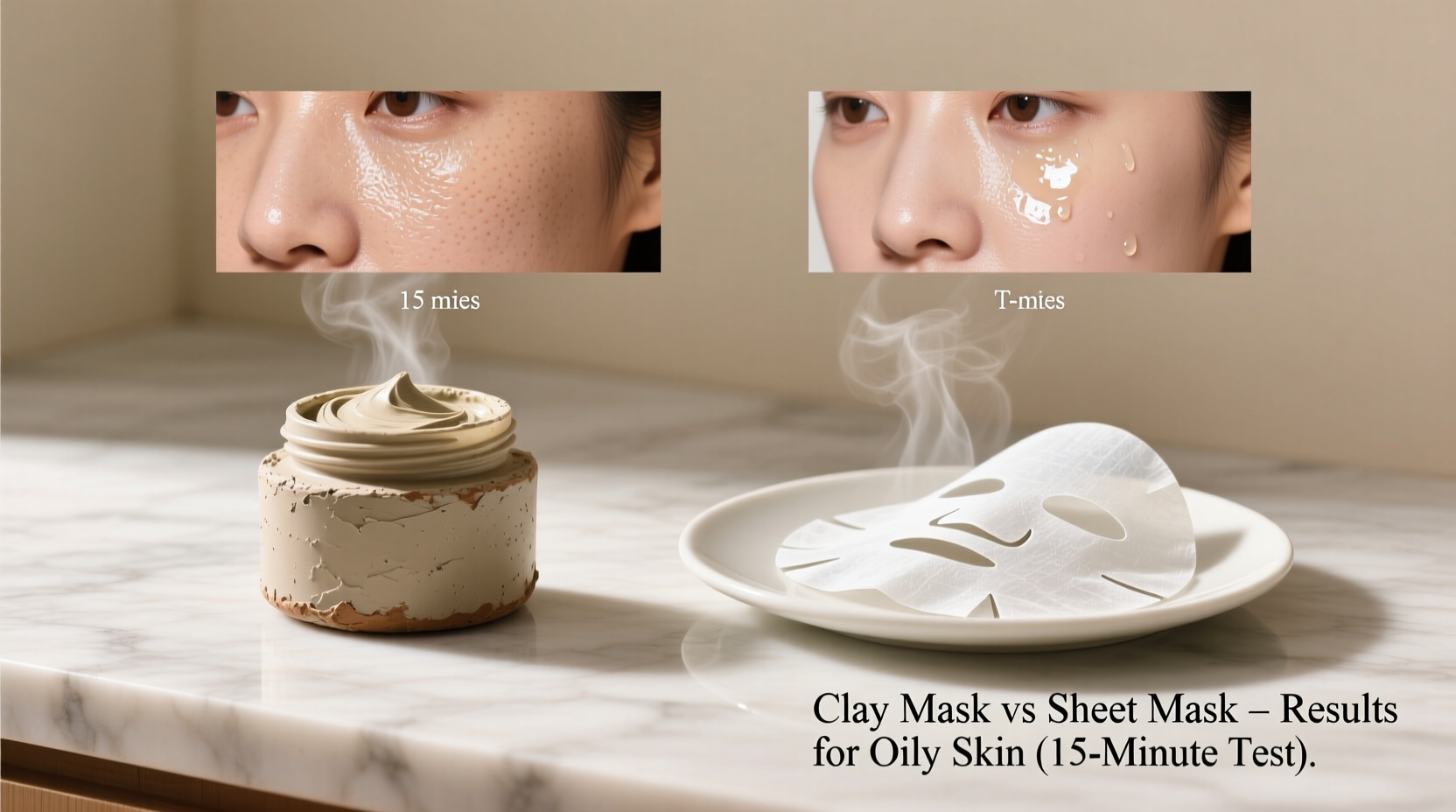
Oily skin is characterized by overactive sebaceous glands that produce excess sebum. While sebum is essential for protecting and moisturizing the skin, too much of it can lead to shine, enlarged pores, blackheads, whiteheads, and acne. The goal for oily skin isn’t to strip all oil—this can trigger rebound oil production—but to regulate it while keeping pores clean and inflammation under control.
Face masks offer a targeted treatment approach. However, clay masks and sheet masks operate on entirely different principles:
- Clay masks are absorbent, drawing out impurities from deep within pores using mineral-rich clays like kaolin, bentonite, or French green clay.
- Sheet masks are delivery systems, infusing the skin with active ingredients through a soaked fabric or cellulose layer.
Because of these differences, their impact on oily skin—and how quickly they yield visible results—varies substantially.
The Science Behind Clay Masks for Oily Skin
Clay masks function primarily through adsorption (not absorption), meaning they attract oils, toxins, and debris to their surface without soaking them in. This makes them particularly effective at decongesting pores and reducing surface shine almost immediately after use.
Key benefits for oily skin include:
- Pore purification: Clays bind to sebum and pull out trapped dirt, helping prevent comedones.
- Oil regulation: Some clays, like kaolin, gently exfoliate and reduce sebum production over time.
- Anti-inflammatory properties: Bentonite and French green clay contain minerals like magnesium and calcium that soothe irritated or acne-prone skin.
A 2020 study published in the Journal of Cosmetic Dermatology found that participants with oily, acne-prone skin who used a bentonite-based mask twice weekly saw a 40% reduction in pore congestion and visible oiliness within four weeks.
“Clay masks provide immediate mattification and deep cleansing—two critical factors for oily skin. They’re among the fastest-acting topical treatments for reducing surface grease and preventing breakouts.” — Dr. Lena Patel, Board-Certified Dermatologist
Sheet Masks: Hydration vs. Oil Control
Sheet masks are often associated with hydration and radiance, making them seem less relevant for oily skin. However, many modern formulations now target specific concerns, including sebum control, pore refinement, and anti-acne support.
Ingredients commonly found in oil-friendly sheet masks include:
- Niacinamide: Reduces sebum production and minimizes pore appearance.
- Tea tree extract: Natural antimicrobial that helps prevent breakouts.
- Hyaluronic acid: Lightweight hydration without greasiness.
- Salicylic acid: Penetrates oil to exfoliate inside pores.
Unlike clay masks, sheet masks don’t physically remove oil—they work by delivering actives into the upper layers of the skin. This means results are typically more gradual. You may notice improved texture and reduced redness after several uses, but immediate oil control is rare unless combined with other treatments.
One advantage is that sheet masks rarely cause dryness or irritation, making them suitable for sensitive oily skin types who react poorly to clay.
Direct Comparison: Clay Mask vs Sheet Mask for Clearer Skin
To determine which option clears oily skin faster, consider the following criteria: speed of results, mechanism of action, suitability for frequency, and long-term benefits.
| Feature | Clay Face Mask | Sheet Mask |
|---|---|---|
| Speed of Visible Results | Immediate (reduced shine, tighter pores post-use) | Gradual (visible after 2–4 consistent uses) |
| Mechanism | Adsorbs oil and impurities | Delivers active ingredients |
| Best For | Deep cleansing, acne prevention, mattifying | Hydration, soothing, brightening |
| Frequency of Use | 1–2 times/week | 2–3 times/week (depending on formula) |
| Risk of Over-Drying | Moderate to high (if overused) | Low |
| Long-Term Clarity Benefit | High (when used correctly) | Moderate (especially with niacinamide/salicylic acid) |
From this comparison, clay masks clearly take the lead in delivering faster visible improvements for oily skin. Their ability to physically extract excess oil and unclog pores provides instant gratification and measurable short-term clarity.
Real-World Example: A Week of Testing
Sophia, a 27-year-old with combination-oily skin and frequent T-zone breakouts, decided to test both mask types over two separate weeks. In the first week, she used a charcoal-clay mask twice (Tuesday and Friday). In the second week, she applied a niacinamide-infused sheet mask every other day (Monday, Wednesday, Friday).
Results:
- After clay mask week: Her forehead and nose appeared visibly less shiny by day two. Blackheads were looser and easier to remove during cleansing. By Friday, her skin felt smoother and looked more even.
- After sheet mask week: Her skin felt plumper and less reactive, especially around the cheeks. However, oil returned by midday, and no significant change in pore congestion was observed.
Sophia concluded: “The clay mask made my skin look cleaner right away. The sheet mask felt nice, but I didn’t see much difference in oil or clarity.”
When to Choose Each Mask Type
Neither mask is universally superior—the best choice depends on your goals, skin sensitivity, and current condition.
Choose a Clay Mask If:
- You need quick oil control before an event.
- Your pores are visibly clogged or enlarged.
- You’re prone to blackheads or mild acne.
- You want a deep-cleaning boost once or twice a week.
Choose a Sheet Mask If:
- Your oily skin is also sensitive or dehydrated.
- You're recovering from breakouts and need calming ingredients.
- You want to incorporate actives like niacinamide consistently.
- You prefer a gentler, no-rinse routine.
Step-by-Step: Optimizing Your Mask Routine for Faster Clarity
Maximize results by integrating masks strategically into your regimen. Here’s a proven sequence for oily skin:
- Cleanse thoroughly: Use a foaming or gel cleanser with salicylic acid to prep the skin and open pores.
- Exfoliate (1–2x/week): Apply a chemical exfoliant (like BHA) the night before masking to enhance penetration.
- Apply clay mask: Focus on oily zones (T-zone). Leave on for 8–10 minutes—do not let it fully dry to avoid over-stripping.
- Rinse and tone: Use lukewarm water and a soft cloth. Follow with a pH-balancing toner containing witch hazel or tea tree.
- Hydrate wisely: Apply a non-comedogenic moisturizer. Skipping moisturizer can increase oil production.
- Optional sheet mask: Once a week, use a clarifying sheet mask post-clay treatment for added ingredient delivery.
This approach combines immediate cleansing with sustained hydration and active support, accelerating clarity without compromising skin health.
Checklist: Choosing the Right Mask for Oily Skin
- ✅ Look for clay masks with kaolin or bentonite—not overly drying formulas.
- ✅ Avoid sheet masks with heavy fragrances or alcohol.
- ✅ Prioritize ingredients like niacinamide, salicylic acid, or tea tree if using sheet masks.
- ✅ Patch test new masks behind the ear to check for irritation.
- ✅ Limit clay masks to 1–2 times per week to maintain barrier integrity.
- ✅ Store sheet masks in a cool place to preserve ingredient potency.
Frequently Asked Questions
Can I use both a clay mask and a sheet mask in the same week?
Yes—many dermatologists recommend combining both. Use the clay mask first for deep cleansing (once or twice weekly), then a hydrating or clarifying sheet mask later in the week to nourish and stabilize the skin. Just avoid using them on the same day unless your skin is resilient and well-hydrated.
Do sheet masks make oily skin worse?
Not inherently. However, some sheet masks contain occlusive ingredients or heavy essences that can trap oil and lead to breakouts. Always check the label for \"non-comedogenic\" and avoid formulas with mineral oil, coconut oil, or high-alcohol content.
Why does my skin get oilier after using a clay mask?
This could be due to overuse or excessive drying. When the skin barrier is compromised, it signals the sebaceous glands to produce more oil to compensate. To prevent this, never leave a clay mask on until it cracks, and always follow with a light, oil-free moisturizer.
Conclusion: Fast Clarity Starts with the Right Choice
For oily skin seeking faster clarity, clay face masks are the superior short-term solution. Their ability to extract oil, unclog pores, and deliver immediate mattification makes them unmatched in speed and visible impact. Sheet masks, while beneficial for hydration and ingredient delivery, work more gradually and are better suited as maintenance tools rather than rapid-clearing treatments.
The most effective strategy isn’t choosing one over the other, but understanding their roles. Use clay masks strategically for deep cleansing and quick fixes, and reserve sheet masks for recovery, hydration, and consistent active delivery. With the right routine, oily skin can achieve lasting clarity, balance, and confidence.




 浙公网安备
33010002000092号
浙公网安备
33010002000092号 浙B2-20120091-4
Comments
No comments yet. Why don't you start the discussion?