
A cloudy fish tank is one of the most common frustrations for aquarium owners, whether you're a beginner or have been maintaining tanks for years. Murky water doesn’t just look unappealing—it can also signal underlying issues that threaten the health of your fish and aquatic ecosystem. The good news is that in most cases, cloudiness has identifiable causes and straightforward fixes. Understanding what’s behind the haze allows you to take targeted action and return your aquarium to pristine condition quickly.
Understanding the Types of Cloudiness
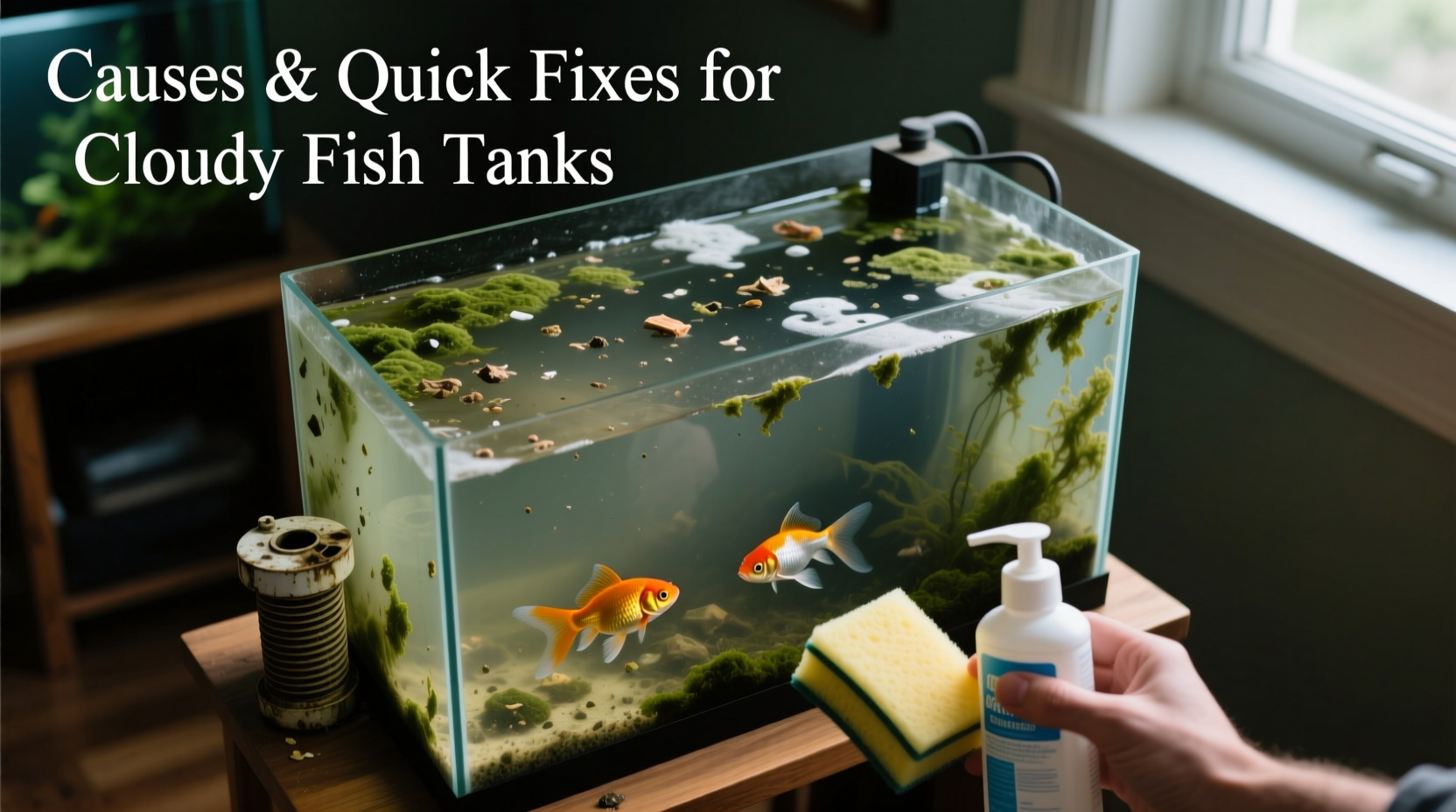
Not all cloudy water is the same. The color and timing of the cloudiness provide vital clues about its origin. There are three primary types:
- White or grayish cloudiness – Often appears shortly after setting up a new tank. This is typically caused by bacterial bloom during the nitrogen cycle.
- Green cloudy water – A sign of algae overgrowth due to excess light or nutrients like nitrates and phosphates.
- Yellow or brown tint – Usually results from tannins released by driftwood or decomposing organic matter like leaves.
Identifying which type you’re dealing with is the first step toward an effective solution.
Common Causes and Their Mechanisms
Cloudy water rarely happens without reason. Below are the most frequent culprits and how they disrupt water clarity.
Bacterial Bloom in New Tanks
When starting a new aquarium, beneficial bacteria colonies haven't yet established themselves. As fish waste and uneaten food break down, ammonia levels rise. Bacteria that consume ammonia multiply rapidly, creating a temporary cloudiness. This usually resolves within 1–2 weeks as the tank cycles.
Overfeeding and Organic Waste Buildup
Excess food decays at the bottom of the tank, releasing ammonia and fueling bacterial growth. Dead plant matter, fish waste, and other debris contribute to nutrient overload, leading to both bacterial and algal blooms.
Poor Filtration or Clogged Filter Media
Filtration systems remove physical particles and support biological processes. If the filter is undersized, improperly maintained, or clogged, it fails to keep up with waste, allowing particulates and microbes to accumulate.
Excessive Light Exposure
Algae thrive on light. Leaving aquarium lights on for more than 8–10 hours daily—or placing the tank in direct sunlight—can trigger explosive algae growth, turning the water green and cloudy.
Tap Water Additives and Chemical Imbalances
Some municipal water supplies contain chlorine, chloramines, or high mineral content that can cause temporary cloudiness when introduced into the tank. Always use a water conditioner and test incoming water if problems persist after water changes.
“Water clarity is often the first indicator of balance—or imbalance—in an aquarium system.” — Dr. Lisa Tran, Aquatic Ecosystem Specialist
Step-by-Step Guide to Clearing a Cloudy Tank
Follow this practical timeline to diagnose and resolve cloudy water efficiently.
- Day 1: Assess and Isolate the Cause
Turn off the lights and examine the water. Check recent changes: Did you add fish? Feed heavily? Perform a water change? Use this info to narrow down possible causes. - Day 1–2: Reduce Feeding and Clean Debris
Cut feeding in half and remove any visible uneaten food or dead plant material. Vacuum the substrate gently to eliminate organic buildup. - Day 2: Inspect and Maintain Your Filter
Remove filter media and rinse it in dechlorinated tank water (never tap water, as chlorine kills beneficial bacteria). Replace mechanical media if worn. - Day 3: Test Water Parameters
Use a liquid test kit to check ammonia, nitrite, nitrate, pH, and phosphate levels. High ammonia or nitrite suggests cycling issues; elevated phosphate points to nutrient overload. - Day 4: Perform a Partial Water Change
Replace 20–30% of the water with conditioned, temperature-matched water. This dilutes excess nutrients and removes suspended particles. - Day 5+: Adjust Lighting and Monitor Progress
Limits lights to 6–8 hours per day. Avoid direct sunlight. Re-test water every few days and repeat water changes as needed until clarity returns.
Quick Solutions by Cloud Type
| Type of Cloudiness | Primary Cause | Recommended Solution |
|---|---|---|
| White/Gray Cloud | Bacterial bloom during cycling | Wait it out, avoid water changes unless ammonia is high, ensure proper aeration |
| Green Cloud | Free-floating algae | Reduce light, clean glass, use algae scraper, consider UV sterilizer |
| Yellow/Brown Tint | Tannins from wood or decay | Use activated carbon in filter, remove decaying matter, perform water change |
Preventive Checklist for Long-Term Clarity
Maintaining clear water requires consistency. Use this checklist weekly to prevent future issues:
- ✔️ Feed only what fish can consume in 2–3 minutes, once or twice daily
- ✔️ Clean the substrate every 1–2 weeks using a gravel vacuum
- ✔️ Rinse filter media monthly in used tank water
- ✔️ Limit lighting to 6–8 hours per day
- ✔️ Test water weekly for ammonia, nitrite, nitrate, and pH
- ✔️ Perform 20–30% water changes every 7–10 days
- ✔️ Remove dead leaves or decorations that trap debris
Real Example: Resolving a Green Bloom in a Community Tank
Sarah, a hobbyist with a 30-gallon community tank, noticed her water turning pea-green two weeks after adding live plants and extending her lighting schedule to 12 hours. Her guppies seemed active, but visibility dropped significantly. After testing, she found nitrates at 60 ppm and phosphates slightly elevated. She immediately reduced lighting to 7 hours, performed a 30% water change, added activated phosphate remover to her filter, and began removing excess plant matter weekly. Within 10 days, the water cleared completely. She now uses a timer for her lights and tests nutrients biweekly.
Frequently Asked Questions
Can I use bottled bacteria to speed up clearing a cloudy tank?
Yes, especially in new setups. Adding a reputable bottled bacteria supplement can accelerate the cycling process and reduce the duration of bacterial cloudiness. However, these products are less effective in mature tanks where overfeeding or poor maintenance is the issue.
Is cloudy water dangerous for fish?
It depends. Bacterial blooms in new tanks are generally not harmful if oxygen levels remain stable. However, prolonged cloudiness due to high ammonia, poor oxygenation, or algal die-off can stress or endanger fish. Always monitor behavior—if fish gasp at the surface or become lethargic, act immediately.
Should I clean everything if my tank gets cloudy?
No. Over-cleaning can disrupt the biological balance. Avoid replacing all filter media or scrubbing every surface. Focus on partial water changes, debris removal, and correcting root causes like overfeeding or excessive light.
Conclusion: Take Control of Your Aquarium’s Health
A cloudy fish tank isn’t a disaster—it’s a signal. By understanding the science behind water clarity and responding with informed, measured actions, you can restore balance quickly and build a more resilient aquarium. Prevention is always better than cure: consistent maintenance, mindful feeding, and regular monitoring go a long way. Don’t wait for problems to escalate. Start applying these practices today, and enjoy a crystal-clear tank that supports thriving aquatic life.




 浙公网安备
33010002000092号
浙公网安备
33010002000092号 浙B2-20120091-4
Comments
No comments yet. Why don't you start the discussion?