
Leaving a coffee machine on a bare kitchen counter seems harmless—after all, it's a common sight in homes and offices alike. But appearances can be deceiving. The decision to place your coffee maker directly on an exposed countertop without protective measures involves more than just aesthetics. It touches on water damage, heat exposure, electrical safety, and long-term surface integrity. Understanding the potential risks—and how to mitigate them—can save you from costly repairs, safety hazards, or premature appliance failure.
The Hidden Risks of Bare Countertop Placement
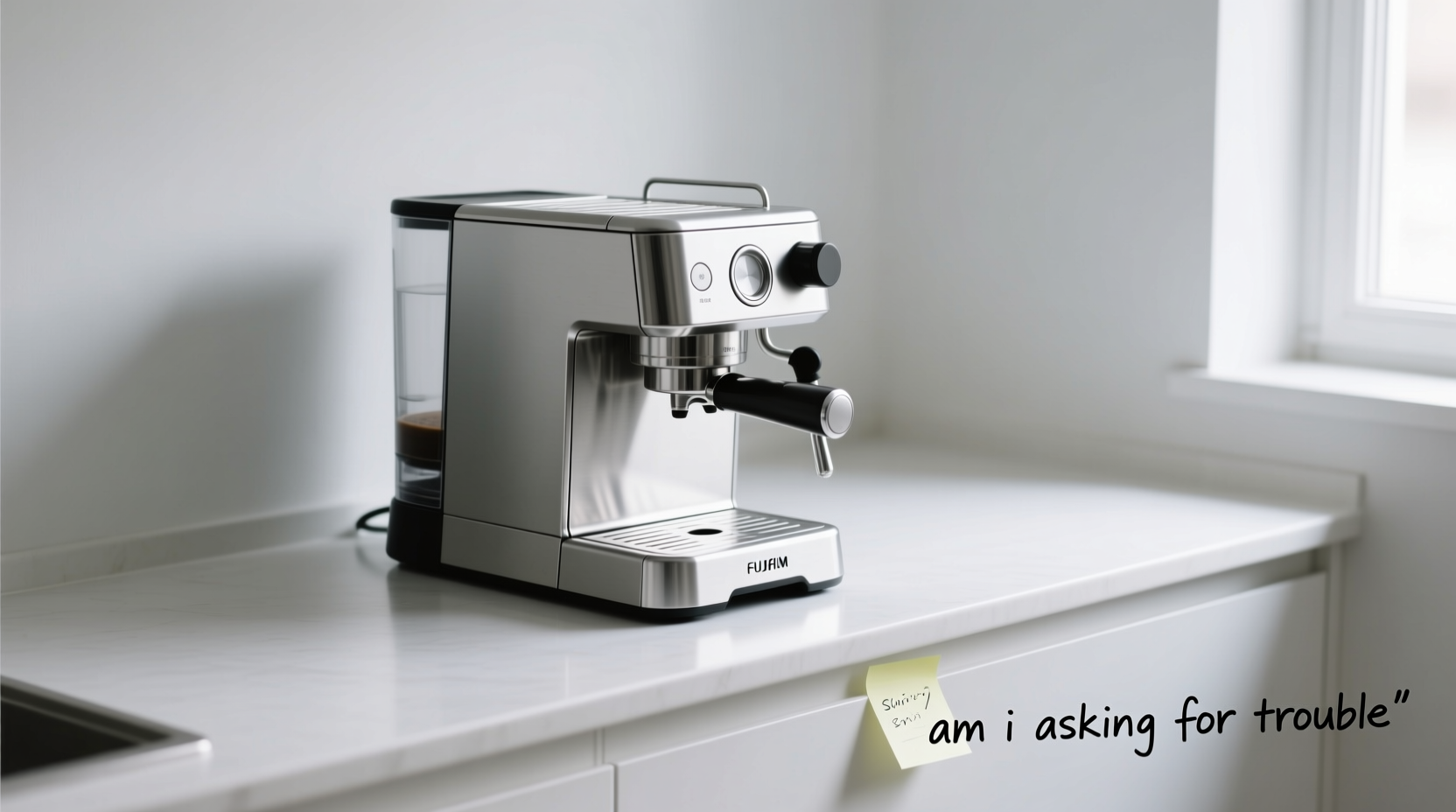
Coffee machines, especially drip models, pod brewers, and semi-automatic espresso systems, generate moisture, heat, and vibration during operation. When placed directly on a bare countertop, these factors interact with the surface material in ways that may not be immediately visible but can accumulate over time.
One of the most common issues is condensation. As steam escapes during brewing or when the machine cools down, moisture accumulates underneath and around the unit. On porous surfaces like wood, laminate, or unsealed stone, this can lead to warping, staining, or mold growth. Even non-porous materials like granite or quartz aren’t immune—prolonged exposure to dampness can compromise sealants or degrade adhesives used in seams.
Heat is another concern. While modern coffee machines are designed with insulation, the base still emits warmth, particularly after extended use. Repeated thermal cycling—daily heating and cooling—can cause some countertop materials to expand and contract, leading to micro-cracks or discoloration over time.
Material Matters: How Your Countertop Reacts
Not all countertops respond the same way to appliances. The risk level depends heavily on your surface type. Here’s a breakdown of common materials and their vulnerability to coffee machine placement:
| Countertop Material | Risk Level | Primary Concerns |
|---|---|---|
| Granite | Low-Moderate | Sealant degradation from moisture; thermal stress near edges |
| Quartz | Low | Heat resistance is high, but prolonged direct heat may cause discoloration |
| Marble | High | Porous and sensitive to acids, moisture, and heat; etching and staining likely |
| Laminate | Moderate-High | Swelling, bubbling, or delamination due to trapped moisture |
| Wood/Butcher Block | High | Water absorption leads to warping, cracking, or bacterial growth |
| Stainless Steel | Low | Durable and moisture-resistant, but vibrations may cause noise or shifting |
If you have a marble or wooden countertop, placing a coffee machine directly on the surface without protection significantly increases the likelihood of permanent damage. Even with more resilient materials like quartz, vigilance is key—especially if your machine has a history of leaking or dripping.
Preventative Measures You Should Take
You don’t need to banish your coffee maker from the counter entirely. With simple safeguards, you can enjoy daily convenience without inviting long-term problems.
- Use a waterproof tray or mat: A silicone or rubber drip tray catches spills and allows airflow underneath, reducing moisture buildup. Choose one slightly larger than the machine’s footprint.
- Elevate with felt pads: Attach self-adhesive felt pads to the machine’s feet to create a small gap for air circulation and reduce direct contact.
- Ensure proper ventilation: Leave at least 2–3 inches of space around the machine, especially at the back and sides, to prevent heat trapping.
- Check for leaks regularly: Inspect water lines, reservoirs, and drip trays weekly. A slow leak can go unnoticed for weeks, causing hidden damage.
- Avoid cord strain: Don’t let the power cord drape into a sink or wet area. Use a cord organizer to keep it elevated and secure.
Real-World Example: The Case of the Warped Laminate Counter
Sarah, a remote worker in Portland, loved her Keurig for quick morning brews. She kept it front-and-center on her laminate countertop, right next to the sink. After 18 months, she noticed a soft spot beneath the machine. One day, lifting it for cleaning, she discovered the laminate had bubbled and separated from the substrate. The culprit? A combination of daily condensation and a minor leak from the K-cup exit chute that dripped slowly onto the edge of the counter.
Repairs cost $450, and she now uses a custom-fitted bamboo tray with a silicone liner. “I thought I was being efficient by keeping everything close together,” she said. “But I didn’t realize how much moisture builds up until it was too late.”
Sarah’s experience isn’t unique. Many users overlook the cumulative effect of minor leaks and humidity, assuming their countertop is “waterproof enough.” In reality, even small exposures add up over time.
Expert Insight: What Professionals Recommend
Kitchen designers and appliance technicians consistently emphasize proactive protection. According to Luis Mendez, a certified kitchen specialist with over 15 years of experience:
“People treat coffee machines like decor, but they’re active appliances. Moisture and heat are silent destroyers. A $20 mat can prevent thousands in countertop repairs.” — Luis Mendez, Kitchen Design Consultant
Similarly, appliance repair experts note that machines placed on poorly ventilated surfaces often suffer reduced lifespans due to overheating components. Ensuring airflow benefits both the countertop and the machine itself.
Step-by-Step: Safely Setting Up Your Coffee Machine
Follow this sequence to minimize risk while maximizing functionality:
- Choose the location: Pick a dry, level area away from sinks, stoves, and direct sunlight.
- Clean the surface: Wipe down the countertop thoroughly before placing anything.
- Install a protective layer: Lay down a non-slip, moisture-resistant mat or tray.
- Position the machine: Center it on the mat, ensuring vents are unobstructed.
- Test for stability: Gently nudge the unit to confirm it doesn’t slide or wobble.
- Manage cords: Route the power cable safely, avoiding contact with water or heat sources.
- Inspect weekly: Lift the machine every 7–10 days to check for moisture, debris, or wear on the mat.
Frequently Asked Questions
Can I use a cutting board as a base for my coffee machine?
Yes, but only if it’s made of sealed hardwood or plastic and is dedicated solely to this purpose. Avoid using it for food prep afterward, as trapped moisture can harbor bacteria. Ensure it has feet or spacers for airflow.
Is it safe to place a coffee machine on a quartz countertop without protection?
Quartz is highly durable, but manufacturers still recommend using a protective pad. While heat and moisture resistance are strong, repeated exposure can dull the finish or compromise seams over time.
What kind of mat is best for under a coffee machine?
Silicone mats are ideal—they’re non-slip, heat-resistant, easy to clean, and naturally repel water. Avoid fabric or cork mats, which absorb moisture and can promote mold.
Final Thoughts: Convenience vs. Long-Term Care
Placing a coffee machine on a bare counter isn’t inherently dangerous, but it does introduce avoidable risks. The difference between a problem-free setup and a costly repair often comes down to a few simple precautions. A protective mat, regular inspection, and mindful placement can preserve both your countertop and your appliance for years.
Think of it as insurance: minimal investment, maximum return. Whether you brew once a day or multiple times, treating your coffee station with care ensures it remains a functional, safe part of your kitchen routine.




 浙公网安备
33010002000092号
浙公网安备
33010002000092号 浙B2-20120091-4
Comments
No comments yet. Why don't you start the discussion?