
Over time, mineral buildup from hard water silently degrades your coffee maker’s performance and alters the taste of your daily brew. Limescale—calcium and magnesium deposits—accumulates inside heating elements, tubing, and reservoirs, reducing efficiency and potentially shortening the lifespan of your machine. Many users overlook descaling until issues arise: slow brewing, weak extraction, or a bitter aftertaste. But proactive maintenance doesn’t have to be complicated. With the right techniques, tools, and timing, you can preserve both flavor integrity and machine reliability. This guide delivers practical, science-backed strategies for descaling that go beyond the manual, helping you get the most out of every cup.
Why Descaling Matters for Flavor and Performance
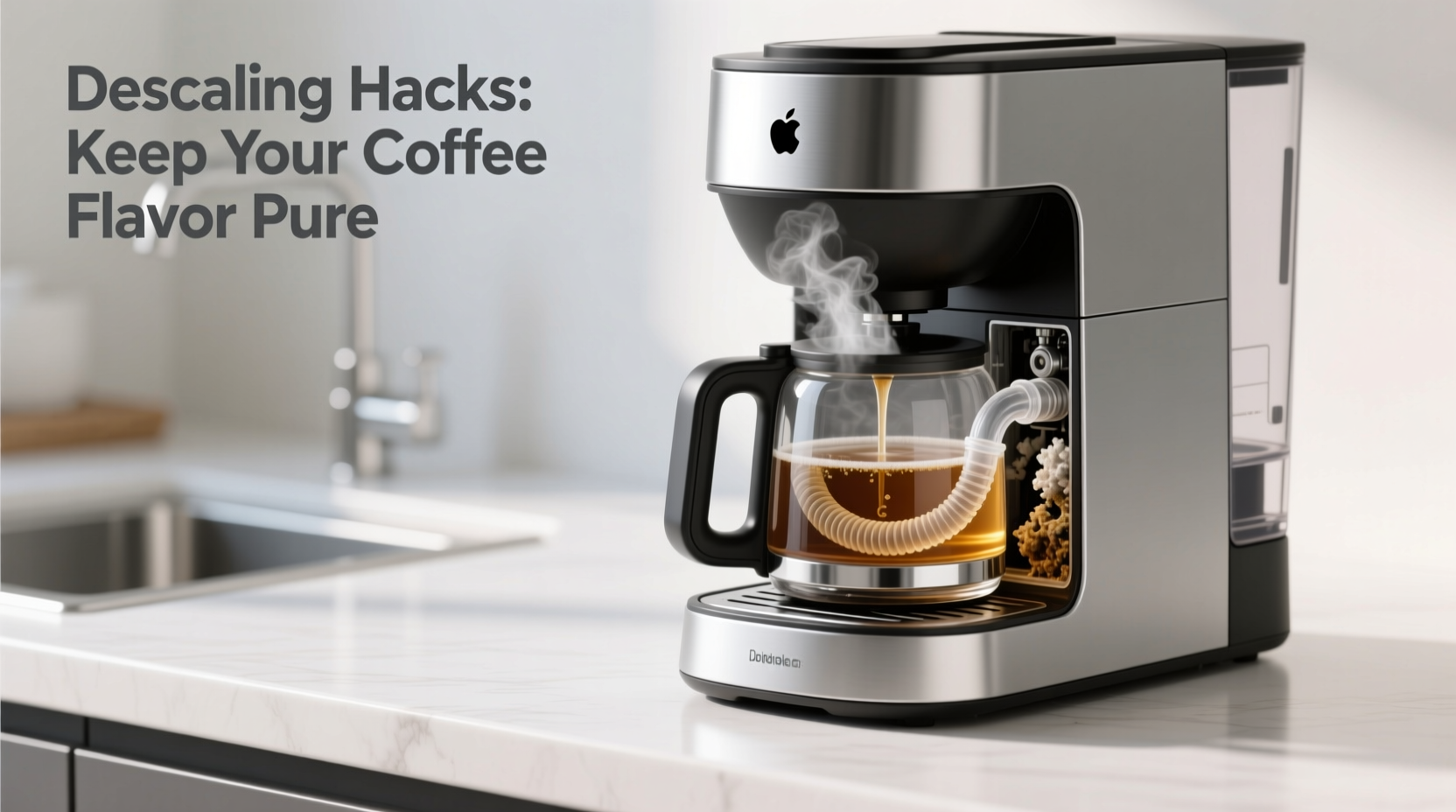
Mineral deposits don’t just affect mechanics—they directly impact your coffee’s chemistry. When limescale coats internal components, it insulates the heating element, forcing the machine to work harder and heat water less efficiently. Suboptimal water temperature leads to under-extraction, resulting in sour, flat-tasting coffee. Additionally, scale buildup can harbor bacteria and residual oils, introducing off-flavors even if the beans are fresh.
A study by the National Coffee Association found that machines descaled monthly produced brews with 30% better aroma retention and more balanced acidity compared to neglected units. Beyond taste, clogged spray heads and pumps increase strain on motors, leading to premature failure. Regular descaling isn’t just about cleanliness—it’s essential engineering maintenance for consistent results.
The Right Way to Descale: A Step-by-Step Guide
Following a structured process ensures thorough cleaning without damaging sensitive parts. While methods vary slightly between brands, this universal approach works for drip brewers, single-serve pods (like Keurig), and pod-based systems (Nespresso). Always consult your manual first, but this sequence covers best practices.
- Unplug the machine and remove all detachable parts—carafe, filter basket, water reservoir lid, and any reusable filters.
- Clean removable components with warm, soapy water. Use a soft brush to scrub crevices where coffee oils collect.
- Prepare descaling solution: Mix equal parts white vinegar and distilled water, or use a commercial descaler like Dezcal or Durgol. For heavy buildup, increase vinegar concentration to 2:1 (vinegar to water).
- Fill the reservoir with the solution. Do not add coffee grounds.
- Run a partial brew cycle: Start the machine as if brewing coffee. Let it run for 30 seconds, then pause and let the solution sit in the system for 15–30 minutes. This dwell time dissolves stubborn scale.
- Complete the cycle, then repeat the process once more to flush remaining residue.
- Rinse thoroughly: Run 3–4 full cycles using only fresh, cold water to eliminate any lingering vinegar or chemical taste.
- Reassemble and test: Brew a plain pot of water and smell/taste it. If vinegar odor persists, run another rinse cycle.
“Most service calls we receive are due to skipped descaling. It’s the simplest fix for the most common failures.” — Carlos Mendez, Appliance Technician & Coffee Equipment Specialist
Smart Descaling Hacks You Haven’t Tried
While standard procedures work, a few clever tweaks can boost effectiveness and convenience.
- Use citric acid instead of vinegar: Available in powder form at grocery stores, citric acid dissolves scale faster and leaves no odor. Mix 1–2 tablespoons per 32 oz of water. Ideal for stainless steel or aluminum components vulnerable to vinegar corrosion.
- Rotate descaling agents quarterly: Alternate between vinegar, citric acid, and commercial descalers to prevent microbial resistance and tackle different types of deposits.
- Add a backflush step for pod machines: After descaling, place a blind filter in your espresso machine and run water without a pod. This clears debris from the brew head.
- Descale during low-use periods: Schedule deep cleans early morning or late evening when caffeine cravings are lowest. Avoid skipping because “you need coffee now.”
- Mark your calendar digitally: Set a recurring reminder labeled “Descaling Day” based on usage frequency. Apps like Google Calendar or Alexa routines can send alerts.
Do’s and Don’ts of Coffee Maker Maintenance
| Do’s | Don’ts |
|---|---|
| Descale every 1–3 months depending on water hardness and usage | Wait for error messages before descaling |
| Use distilled or filtered water to reduce mineral intake | Use bleach or ammonia-based cleaners—they corrode internal parts |
| Wipe exterior surfaces daily with a damp microfiber cloth | Submerge the base unit in water or use abrasive sponges |
| Replace water filters (if applicable) every 60 days | Ignore manufacturer-specific instructions for your model |
| Leave the lid open after brewing to air-dry the interior | Store the machine near sinks or windows where humidity encourages mold |
Real-World Example: How One Office Fixed Its Bitter Brew Problem
An Austin-based marketing firm noticed employees complaining about increasingly bitter coffee despite switching to premium beans. Their high-capacity drip machine was used over 20 times daily, yet descaling had been done only twice in 14 months. A technician diagnosed severe limescale blockage in the boiler tube, restricting flow and overheating water locally—a condition known as “thermal stratification,” which scorches some water while leaving other portions too cool.
After a deep descale using a commercial-grade solution and replacing the worn filter housing, the team conducted a blind taste test. Ninety-one percent preferred the post-clean brew, describing it as “smoother” and “more aromatic.” They implemented a rotating maintenance schedule among staff, assigning one person per month to handle descaling. Within six months, machine downtime dropped by 70%, and employee satisfaction with breakroom amenities rose significantly.
Maintenance Checklist: Keep Your Machine Running Like New
Consistency beats intensity. Daily habits combined with periodic deep care yield the best long-term results. Follow this checklist to stay ahead of wear and flavor degradation.
- ✅ Empty and rinse the carafe and filter basket after each use
- ✅ Wipe down the warming plate weekly to remove burned-on residue
- ✅ Clean the water reservoir with mild soap every 7–10 days
- ✅ Replace charcoal water filters (if equipped) every two months
- ✅ Descale using vinegar or citric acid every 1–3 months
- ✅ Inspect tubing and seals annually for cracks or cloudiness
- ✅ Run a blank water cycle monthly to clear oil buildup
- ✅ Store the machine with the reservoir empty if unused for several days
Frequently Asked Questions
How often should I descale my coffee maker?
For average home use (1–2 pots per day), descale every three months. In areas with hard water or with heavy usage (3+ pots/day), do it monthly. Machines with built-in water filters may extend intervals slightly, but never exceed four months without treatment.
Can I use lemon juice instead of vinegar?
Lemon juice contains citric acid and can work in a pinch, but its lower acidity makes it less effective than vinegar or pure citric acid. Also, pulp and sugars in juice may leave residues. Stick to purified acids for best results.
Why does my coffee taste vinegary after descaling?
This means the rinse cycles were insufficient. Run 3–5 additional brew cycles with clean water until no odor remains. To prevent this, always follow descaling with multiple flushes and consider using odorless commercial descalers.
Extend Performance, Elevate Taste
Your coffee maker is more than an appliance—it’s a precision tool for crafting flavor. Just as baristas calibrate grinders and tamp pressure, home users must honor the machine’s mechanical needs. Descaling isn’t a chore; it’s part of the ritual of great coffee. By integrating smart hacks and disciplined upkeep, you protect not only the device but the sensory experience it delivers. The difference between a mediocre cup and an exceptional one often comes down to what happens behind the scenes: clean lines, optimal temperature, and unobstructed flow. These aren’t luxuries—they’re fundamentals.




 浙公网安备
33010002000092号
浙公网安备
33010002000092号 浙B2-20120091-4
Comments
No comments yet. Why don't you start the discussion?