
Cats scratching door frames is a common but often misunderstood behavior. While frustrating for homeowners—especially when wood chips, paint peels, or hinges loosen—it’s rarely an act of defiance. Instead, it’s rooted in instinct, communication, and environmental needs. Understanding the underlying reasons allows pet owners to respond with empathy and practical solutions rather than frustration. This article explores the biological and psychological drivers behind this habit and provides actionable, humane methods to guide your cat toward more appropriate outlets.
Why Cats Scratch Door Frames: The Instinctual Drivers
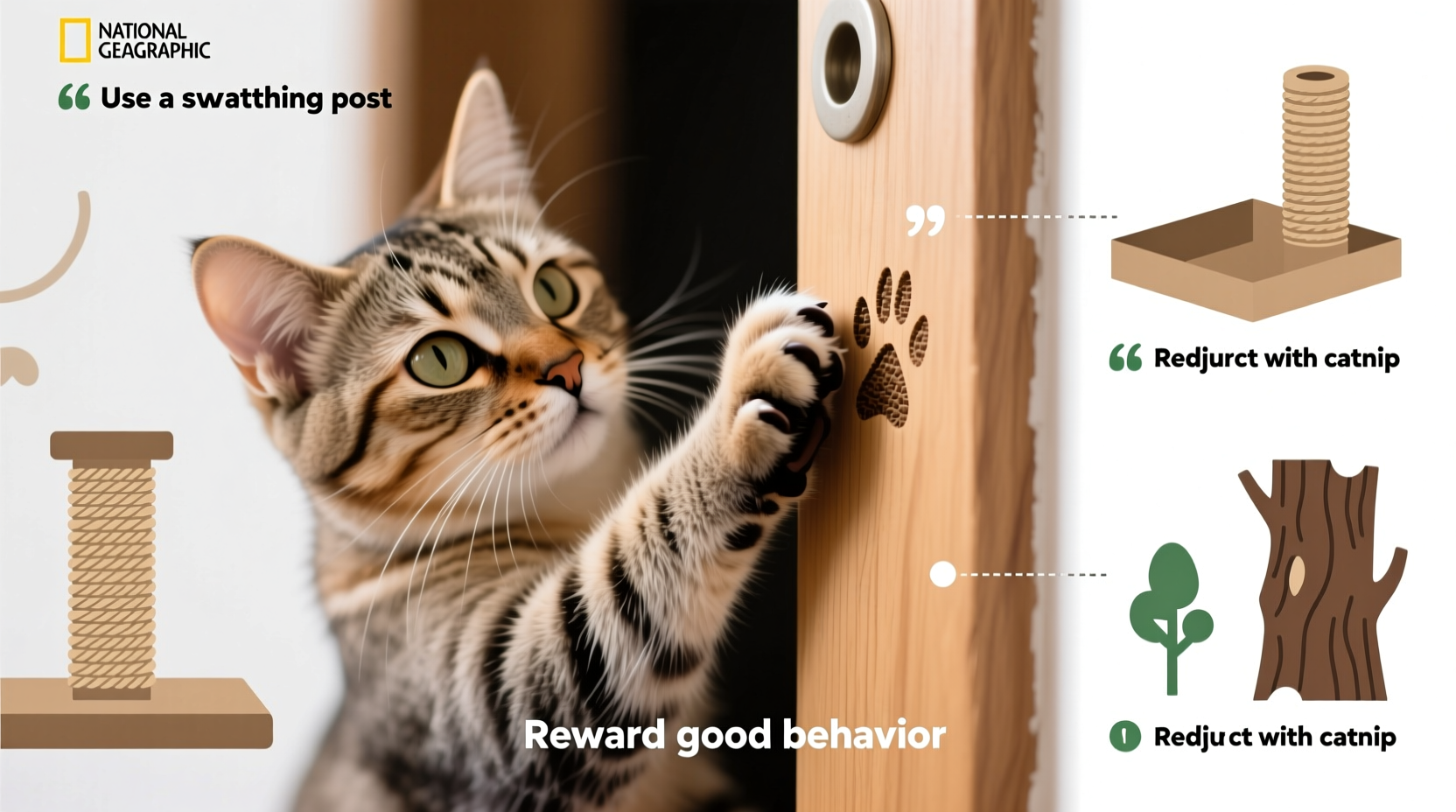
Scratching is not destructive behavior in the eyes of a cat—it's essential. From marking territory to maintaining claw health, cats rely on scratching as a core part of their daily routine. Door frames, in particular, are prime targets due to their location, texture, and structural stability.
Here’s what motivates your cat:
- Claw Maintenance: Scratching removes the outer layer of dead nails, keeping claws sharp and healthy.
- Scent Marking: Cats have scent glands in their paws. Each swipe deposits pheromones, signaling ownership and creating a sense of security.
- Stretching and Exercise: A full-body stretch during scratching helps maintain muscle tone and joint flexibility.
- Territory Communication: In multi-cat homes or near windows/doors, scratching reinforces boundaries and reduces anxiety.
- Texture and Stability: Wooden door frames offer vertical resistance and a satisfying fibrous texture that mimics tree bark—the natural scratching surface in the wild.
“Scratching is as natural to cats as breathing. It’s not misbehavior—it’s communication, grooming, and emotional regulation rolled into one.” — Dr. Sarah Ellis, Feline Behavior Scientist, University of Lincoln
Common Triggers That Make Door Frames Irresistible
Not all cats target door frames equally. Certain environmental conditions increase the likelihood:
- Entry and Exit Points: Doors leading outside or between rooms are high-traffic zones. Cats mark these areas frequently to assert familiarity.
- Lack of Alternatives: If scratching posts are absent, poorly placed, or unstable, cats default to furniture or architectural features.
- Height and Verticality: Cats prefer to scratch at a height that allows a full stretch. Standard door frames align perfectly with this need.
- Stress or Change: Relocations, new pets, or loud noises can trigger increased marking behavior, including door frame scratching.
Humane Strategies to Redirect the Behavior
Punishment is ineffective and harmful. Instead, focus on redirection, enrichment, and environmental design. The goal isn’t to stop scratching—it’s to guide it to acceptable surfaces.
1. Provide Appealing Alternatives
A cat won’t abandon a door frame unless something better exists. Ideal scratching posts should match feline preferences:
- Material: Sisal rope is most effective—durable, grippy, and fibrous. Carpeted posts wear out quickly and may encourage fabric chewing.
- Height: At least 28–32 inches tall to allow full extension.
- Stability: Must not wobble. Unstable posts feel unsafe and are rejected.
- Orientation: Offer both vertical and horizontal options. Some cats prefer side-to-side scratching.
2. Strategic Placement
Place scratching posts directly next to targeted door frames. Once the habit shifts, gradually move the post a few inches per day toward a more convenient location. Never place it in a low-traffic or isolated area—cats scratch where they live, not where they hide.
3. Use Positive Reinforcement
Reward desired behavior immediately. When your cat uses the post:
- Offer treats or affection.
- Use a consistent verbal cue like “Good scratch!”
- Play nearby with a wand toy to associate the area with fun.
4. Make Door Frames Less Appealing (Without Harm)
The goal is deterrence, not discomfort. Avoid sprays with strong scents (citrus, menthol) that overwhelm a cat’s sensitive nose. Instead, try:
- Double-sided tape (cats dislike sticky paws).
- Temporary plastic nail caps (e.g., Soft Paws®) to reduce damage while retraining.
- Aluminum foil or bubble wrap taped to the lower section—texture aversion works better than smell.
“Cats don’t respond to ‘no.’ They respond to opportunity. Give them a better option, and they’ll take it.” — Jackson Galaxy, Cat Behavior Consultant
Step-by-Step Guide to Redirection
Changing ingrained habits takes time. Follow this 4-week timeline for lasting results:
- Week 1: Assess & Install
Identify all scratched door frames. Place sturdy sisal posts within 6 inches of each. Add catnip or silver vine to attract interest. - Week 2: Encourage & Reward
Interact with your cat near the new post daily. Gently guide paws if needed. Reward every use, no matter how brief. - Week 3: Deter the Frame
Apply double-sided tape or aluminum foil to the lower 18 inches of the door frame. Continue rewarding post use. - Week 4: Phase Out Deterrents
If scratching has shifted, remove deterrents. Keep the post in place for at least another month to solidify the habit.
Checklist: Creating a Scratch-Friendly Home
Ensure your environment supports healthy scratching behavior. Use this checklist to evaluate your setup:
- ☑ At least one scratching post per cat (more in multi-cat homes)
- ☑ Posts placed near sleeping areas, entryways, and social zones
- ☑ Mix of vertical and horizontal scratchers available
- ☑ Scratching surfaces made of sisal, cardboard, or natural wood
- ☑ No unstable or wobbly posts
- ☑ Regular inspection for wear and replacement when frayed
- ☑ Positive reinforcement used consistently
- ☑ No physical punishment or spray bottles used
Do’s and Don’ts: How to Respond Effectively
| Do | Don’t |
|---|---|
| Place scratching posts near problem areas | Move posts far away from where your cat naturally wants to scratch |
| Reward use of appropriate surfaces immediately | Yell, spray water, or rub the cat’s nose in the scratch marks |
| Use temporary physical barriers (tape, foil) | Apply strong-smelling repellents that irritate the respiratory system |
| Trim claws regularly to reduce damage | Declaw your cat (a painful, irreversible procedure) |
| Provide multiple scratching options throughout the home | Expect one post to serve all scratching needs |
Real Example: Redirecting Luna’s Entryway Habit
Luna, a 3-year-old tabby, had been scratching the front door frame for over a year. Her owner, Maria, tried sprays and yelling, but the behavior worsened during winter months. After consulting a behaviorist, Maria implemented a redirection plan:
- Placed a 32-inch sisal post directly beside the door.
- Sprinkled silver vine on the base and hung a feather toy from the top.
- Covered the lower half of the frame with clear adhesive tape.
- Gave Luna treats every time she approached or sniffed the post.
Within 10 days, Luna began using the post regularly. By week four, the tape was removed, and the door frame remained intact. The key wasn’t stopping the behavior—but giving Luna a better way to meet her needs.
Frequently Asked Questions
Is scratching door frames a sign of aggression?
No. Scratching is rarely aggressive. It’s typically related to marking, stretching, or stress relief. Aggression would involve hissing, swatting, or biting—not repetitive scratching.
Can I train an older cat to stop scratching door frames?
Yes. While kittens learn faster, adult cats can adapt with consistency. The process may take longer, but the principles remain the same: provide better alternatives and reinforce good choices.
Are there any safe sprays to discourage scratching?
Most commercial sprays contain scents that overwhelm cats and may cause avoidance behaviors or anxiety. Instead of sprays, use physical deterrents like double-sided tape or temporary covers. If you must use a spray, opt for unscented bitter apple tested for pet safety—and only as a short-term aid.
Conclusion: Compassion Over Correction
Cats don’t destroy door frames to upset their owners. They scratch because it’s biologically necessary and emotionally comforting. The solution lies not in suppression, but in thoughtful redirection. By understanding the reasons behind the behavior and offering appealing, accessible alternatives, you create a home where both your cat and your woodwork can thrive.
Start today: observe your cat’s habits, install a sturdy sisal post near the affected area, and reward every positive choice. With patience and consistency, you’ll preserve your doors—and deepen your bond with your feline companion.




 浙公网安备
33010002000092号
浙公网安备
33010002000092号 浙B2-20120091-4
Comments
No comments yet. Why don't you start the discussion?