
DNA extraction is one of the most fundamental techniques in modern biology and genetics. At its core, it involves isolating deoxyribonucleic acid (DNA) from cells or tissues to study its structure, function, and variation. While the process may seem like a routine lab procedure, its implications stretch far beyond the bench—touching fields such as medicine, forensics, agriculture, and evolutionary biology. Understanding why DNA extraction is important requires looking at both its technical role and its real-world applications that continue to transform science and society.
The Role of DNA Extraction in Scientific Research
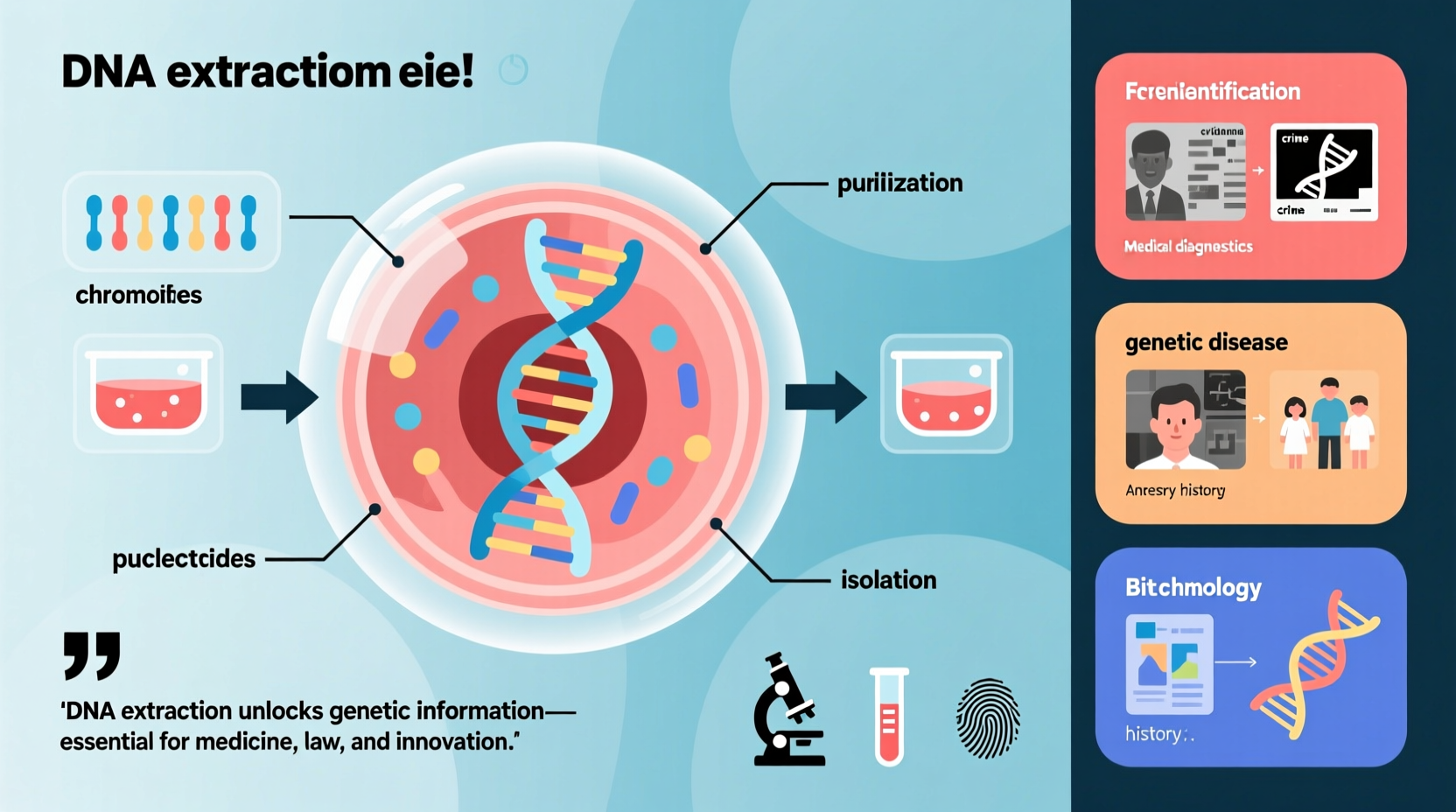
DNA extraction serves as the critical first step in nearly every molecular biology workflow. Without purified DNA, downstream analyses like polymerase chain reaction (PCR), sequencing, cloning, and genotyping cannot proceed. The integrity and purity of extracted DNA directly influence the accuracy and reliability of experimental results.
In research settings, scientists extract DNA to investigate gene expression, identify mutations, study regulatory elements, and explore genomic architecture. For example, researchers studying cancer often compare DNA from tumor cells to healthy tissue to pinpoint genetic alterations driving disease progression. Similarly, evolutionary biologists extract DNA from ancient specimens or diverse species to trace lineage and understand adaptation over time.
Medical Diagnostics and Personalized Medicine
One of the most impactful uses of DNA extraction lies in clinical diagnostics. Genetic testing now plays a vital role in identifying inherited disorders such as cystic fibrosis, Huntington’s disease, and sickle cell anemia. By extracting DNA from blood, saliva, or tissue samples, clinicians can detect pathogenic variants with high precision.
Beyond diagnosis, DNA extraction enables personalized medicine—an approach where treatment plans are tailored to an individual’s genetic profile. Pharmacogenomics, for instance, analyzes how genes affect drug response, allowing doctors to prescribe medications more effectively and avoid adverse reactions. Oncology has particularly benefited, with tumor DNA analysis guiding targeted therapies for patients with specific mutations in genes like BRCA1, EGFR, or KRAS.
“DNA extraction is the gateway to precision health. It allows us to move from reactive to preventive care by understanding genetic risk before symptoms appear.” — Dr. Lena Patel, Genomic Medicine Specialist
Forensic Science and Criminal Investigations
In forensic laboratories, DNA extraction is indispensable for solving crimes and identifying individuals. Biological evidence such as blood, hair, skin cells, or saliva collected from crime scenes can be processed to yield DNA profiles. These profiles are then compared against databases like CODIS (Combined DNA Index System) to link suspects to offenses or exonerate the innocent.
The reliability of DNA fingerprinting stems from the uniqueness of each person’s genome (except identical twins). Even minute biological samples can yield usable DNA when extraction methods are optimized. This capability has revolutionized justice systems worldwide, helping resolve cold cases and correct wrongful convictions.
Real Example: The Golden State Killer Case
A landmark case illustrating the power of DNA extraction occurred in 2018 with the arrest of Joseph James DeAngelo, known as the Golden State Killer. Investigators used DNA extracted from decades-old crime scene evidence and uploaded the genetic profile to a public genealogy database. By tracing distant relatives, they narrowed down potential suspects until DeAngelo was identified through traditional forensic confirmation. This breakthrough demonstrated how historical DNA samples, when properly preserved and extracted, can deliver justice years after the fact.
Agricultural and Environmental Applications
DNA extraction also drives innovation in agriculture and environmental science. In crop development, scientists extract plant DNA to identify genes responsible for desirable traits such as drought resistance, pest tolerance, or higher yield. This information supports breeding programs and genetic engineering efforts aimed at enhancing food security.
Similarly, livestock breeders use DNA analysis to select animals with superior genetics for milk production, growth rate, or disease resistance. The practice improves herd quality and reduces reliance on antibiotics and hormones.
In environmental monitoring, DNA extraction enables what’s known as environmental DNA (eDNA) analysis. Scientists collect water, soil, or air samples and extract DNA shed by organisms living in the ecosystem. This non-invasive method detects the presence of rare, invasive, or endangered species without needing to observe them directly—making conservation efforts more efficient and data-driven.
| Field | Application of DNA Extraction | Impact |
|---|---|---|
| Medicine | Diagnosis of genetic diseases | Early intervention and family planning |
| Forensics | Criminal identification | Accurate justice and reduced wrongful convictions |
| Agriculture | Marker-assisted breeding | Improved crop resilience and yield |
| Conservation | eDNA monitoring | Tracking biodiversity and protecting ecosystems |
| Biotechnology | Recombinant protein production | Development of vaccines and therapeutics |
Step-by-Step: How DNA Extraction Works
While protocols vary depending on sample type and scale, most DNA extraction procedures follow these basic steps:
- Cell Lysis: Break open cells using physical, chemical, or enzymatic methods (e.g., grinding, detergents, or proteinase K).
- Membrane Disruption: Detergents dissolve lipid membranes, releasing cellular contents including DNA.
- Protein Removal: Add proteases or use alcohol-based precipitation to separate proteins from DNA.
- DNA Precipitation: Add cold ethanol or isopropanol to make DNA insoluble, causing it to clump together.
- Washing and Resuspension: Wash the DNA pellet with ethanol to remove salts, then resuspend in buffer for storage or analysis.
Modern kits have streamlined this process, offering spin-column or magnetic bead-based systems that reduce hands-on time and improve consistency. However, understanding the underlying principles ensures better troubleshooting and adaptation across sample types—from bacteria to human tissue.
Common Challenges and Best Practices
Despite advances, DNA extraction can face obstacles such as low yield, poor purity, or degradation. Contamination from RNases, DNases, or foreign DNA (like microbial sources) can compromise results. Additionally, certain samples—such as formalin-fixed tissues or ancient bones—are notoriously difficult due to fragmented or chemically modified DNA.
- Use gloves and sterile equipment to minimize contamination.
- Work quickly and keep samples cold when possible to prevent degradation.
- Measure DNA concentration and purity using spectrophotometry (e.g., NanoDrop) or fluorometry.
- Store extracted DNA at -20°C or -80°C for long-term stability.
FAQ: Frequently Asked Questions
Why is DNA extraction necessary before PCR?
PCR requires pure DNA as a template. Cellular components like proteins, lipids, and RNA can inhibit the polymerase enzyme. Extracting DNA removes these inhibitors and concentrates the target genetic material for amplification.
Can DNA be extracted from any organism?
Yes, DNA exists in all living organisms—from bacteria to plants to animals. While the extraction protocol may differ based on cell wall composition or sample size, the principle remains the same: break open cells and isolate the nucleic acids.
How long does extracted DNA last?
When stored properly at -20°C or lower, DNA can remain stable for years. Repeated freeze-thaw cycles should be avoided, as they can cause shearing and degradation.
Conclusion: A Foundation for Future Discoveries
DNA extraction is far more than a technical prerequisite—it is the foundation upon which countless scientific and medical advancements are built. From diagnosing rare diseases to solving crimes, from improving crops to conserving endangered species, the ability to access and analyze genetic material continues to reshape our world. As technologies evolve, so too will the efficiency, scalability, and accessibility of DNA extraction methods, opening new doors in research and application.




 浙公网安备
33010002000092号
浙公网安备
33010002000092号 浙B2-20120091-4
Comments
No comments yet. Why don't you start the discussion?