
Cardamom is one of the world’s most ancient and prized spices, celebrated for its complex aroma and versatility across global cuisines. Often referred to as the \"Queen of Spices,\" it transcends cultural boundaries—from Scandinavian pastries to Indian biryanis, Middle Eastern coffee to Southeast Asian curries. Despite its widespread use, many home cooks underutilize cardamom, often limiting it to a single recipe or form. Understanding how to leverage both its subtle and bold applications can transform everyday cooking. This guide explores not only traditional uses but also innovative, lesser-known techniques that unlock cardamom’s full potential in modern kitchens.
Definition & Overview
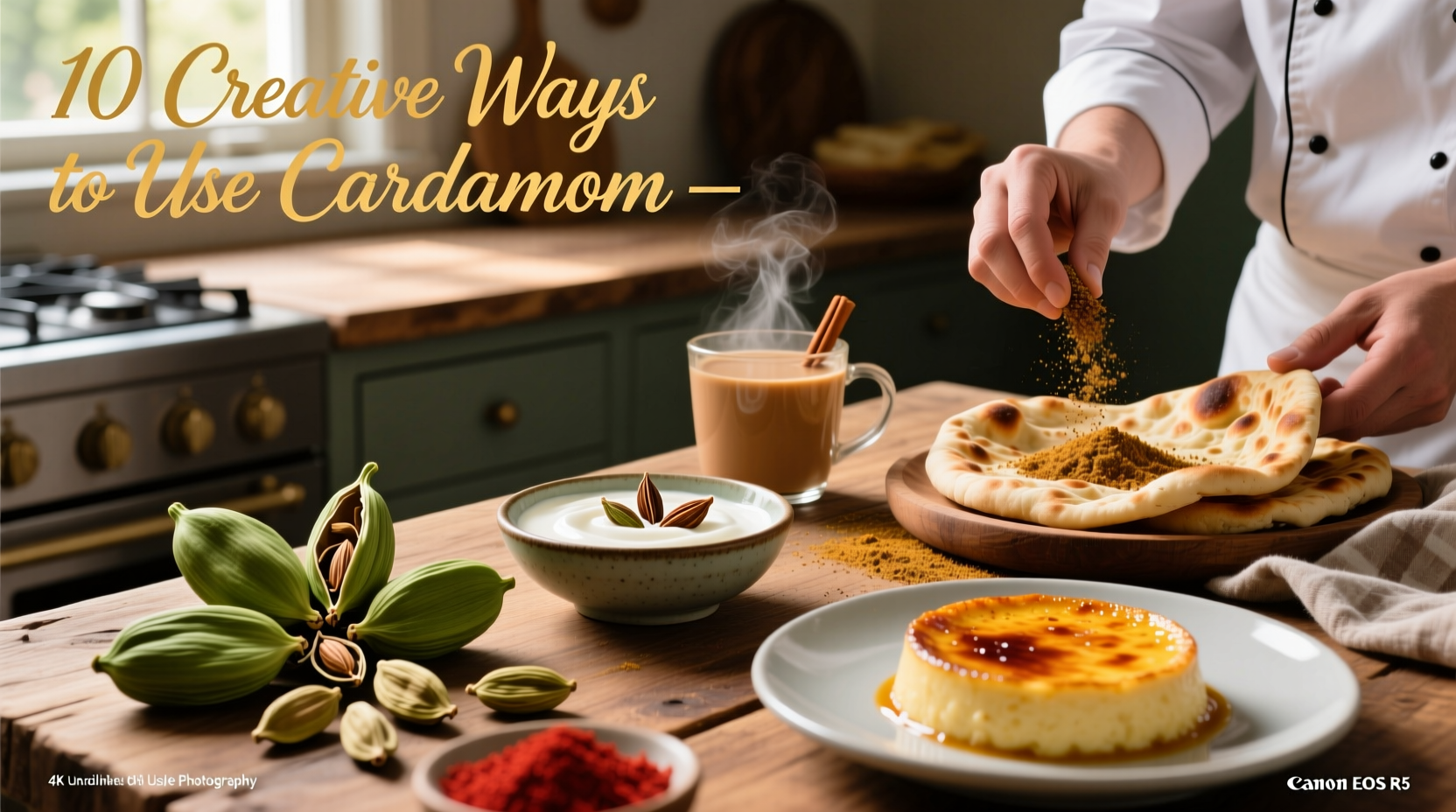
Cardamom (Elettaria cardamomum) is a flowering plant in the ginger family (Zingiberaceae), native to the humid forests of southern India, particularly Kerala, Karnataka, and Tamil Nadu. The spice is derived from the dried seed pods, which contain small black seeds encased in a fibrous outer shell. There are two primary types: green cardamom (true cardamom) and black cardamom (a larger, smokier variety from Amomum subulatum). Green cardamom is the more commonly used form in global cuisine due to its bright, citrusy, and slightly eucalyptus-like flavor.
Historically, cardamom was valued in Ayurvedic medicine and traded along ancient spice routes, reaching Egypt, Greece, and Rome. Today, it remains one of the most expensive spices by weight, behind saffron and vanilla, due to labor-intensive harvesting methods. Its unique profile—floral, herbal, faintly minty, with lemon and camphor notes—makes it irreplaceable in both sweet and savory contexts.
Key Characteristics
| Attribute | Description |
|---|---|
| Flavor Profile | Bright, citrusy, floral, with hints of mint, eucalyptus, and pine; warm but not spicy-hot. |
| Aroma | Potent, perfumed, and uplifting; releases essential oils when crushed. |
| Color/Form | Green pods (3–10 mm long); seeds dark brown to black. Also available as ground powder, oil, or decorticated (hulled). |
| Heat Level | Not pungent; mild warmth without capsaicin heat. |
| Culinary Function | Flavor enhancer, aromatic base, digestive aid, fragrance agent. |
| Shelf Life | Pods: 1–2 years if stored properly; ground: 6–9 months (loses potency faster). |
Variants & Types
Understanding the differences between cardamom varieties ensures proper usage and prevents flavor mismatches in recipes.
1. Green Cardamom (True Cardamom)
The most widely used form, with small green pods harvested before full maturity. It has a delicate, sweet aroma and is ideal for desserts, beverages, rice dishes, and light curries. Premium grades include Malabar and Mysore, with Alleppey being the most aromatic due to higher cineole content.
2. Black Cardamom
Larger, darker pods smoked over open fires, giving them a distinctly smoky, camphorous flavor. Used primarily in savory Indian and Chinese dishes like biryanis, stews, and braises. Not interchangeable with green cardamom in sweet applications.
3. White Cardamom
Green cardamom pods bleached to remove color, usually for aesthetic reasons in light-colored dishes. Bleaching diminishes flavor intensity and is generally discouraged by purists.
4. Forms of Use
- Whole Pods: Best for infusing liquids (tea, syrup, rice), tempering in oil, or slow-cooked dishes. Remove before serving unless lightly crushed.
- Seeds Only: Extracted from pods and lightly crushed or ground. Offers concentrated flavor without fibrous husk.
- Ground Cardamom: Convenient but loses aroma quickly. Best freshly ground from whole pods.
- Cardamom Powder (Churna): Sometimes blended with cinnamon, cloves, or nutmeg in spice mixes.
- Essential Oil/Extract: Highly concentrated; used in baking and confectionery (use sparingly—1 drop ≈ 1 pod).
Pro Tip: Always crush cardamom pods just before use. The volatile oils responsible for its signature aroma begin dissipating within minutes of exposure to air.
Practical Usage: How to Use Cardamom in Cooking
Cardamom’s adaptability makes it suitable across courses and cuisines. Below are practical, tested applications ranging from everyday meals to gourmet innovations.
Sweet Applications
1. Baking & Pastry
Cardamom enhances cakes, cookies, and breads with a sophisticated depth. In Scandinavian baking, it's essential in kardemummabullar (cardamom buns), where it pairs with butter, milk, and raisins. Use ½ teaspoon ground cardamom per cup of flour in yeast doughs or muffins. For stronger impact, add finely crushed seeds.
2. Custards, Puddings, and Ice Creams
Infuse warm milk with 3–4 crushed pods when making rice pudding (kheer), crème brûlée, or panna cotta. Strain before chilling. The result is a fragrant, subtly spiced dessert that complements fruits like mango, pear, or apple.
3. Fruit Compotes and Poached Fruits
Add one cracked pod to poaching liquid for pears, apples, or rhubarb. Complements honey, star anise, and orange zest. Serve with yogurt or ice cream for an elegant finish.
Savory Applications
1. Rice Dishes
In Indian and Persian cuisines, cardamom elevates plain rice into aromatic accompaniments. Add 2–3 whole green pods to basmati rice while boiling. Remove before serving. In biryanis, layer pods among meat and rice layers for gradual flavor diffusion.
2. Curries and Lentil Dishes
Temper mustard seeds, cumin, and 2–3 cardamom pods in hot oil at the start of cooking dal or vegetable curries. This technique, known as tadka, releases essential oils and builds foundational flavor. Whole pods remain edible but are typically removed after cooking.
3. Meat Marinades and Rubs
Combine ground cardamom with coriander, cumin, turmeric, and garlic for marinades targeting lamb, chicken, or goat. The spice aids digestion and cuts through richness. In Yemeni hawaij spice blends, cardamom balances chili heat.
4. Soups and Stews
Black cardamom shines here. Add one pod to lentil soups, beef stews, or pho broth for a smoky undertone. Remove before serving. Avoid overuse—its potency can dominate.
Beverages
1. Chai and Spiced Teas
Crush 2–3 green cardamom pods and simmer with black tea, ginger, cinnamon, and milk. Sweeten with jaggery or honey. This combination is not only flavorful but traditionally believed to support digestion.
2. Coffee Infusions
In Middle Eastern traditions, a single crushed cardamom pod is brewed with Arabic coffee (qahwa). The result is a fragrant, slightly sweet beverage served during hospitality rituals. For home use, add ground cardamom directly to coffee grounds before brewing.
3. Cocktails and Mocktails
Create a cardamom syrup by simmering 1 cup sugar, 1 cup water, and 6 crushed pods for 10 minutes. Cool and strain. Use in gin tonics, mojitos, or non-alcoholic spritzers. Pairs exceptionally well with citrus, cucumber, and elderflower.
Creative & Modern Uses
1. Spice-Infused Oils and Vinegars
Steep cracked cardamom pods in neutral oil (grapeseed, sunflower) or rice vinegar for 1–2 weeks. Strain and use in salad dressings, drizzled over roasted vegetables, or as a finishing touch on grilled fish.
2. Fermented Foods
Add a pod to homemade kimchi or fermented carrot mix for complexity. Works best in milder ferments where spice won’t overpower lactic acid development.
3. Chocolate and Confections
Pair high-quality dark chocolate (70%+) with a pinch of ground cardamom. Enhances bitterness and adds aromatic lift. Try in truffles, ganache, or chocolate bark with nuts and sea salt.
4. Savory Breakfasts
Whisk a pinch of ground cardamom into scrambled eggs or omelets with feta and spinach. Or blend into avocado toast seasoning with sumac and black pepper for a Middle Eastern twist.
“Cardamom doesn’t just flavor food—it transforms the sensory experience. A single pod can elevate a dish from familiar to unforgettable.” — Chef Meera Sodha, East cookbook series
Comparison with Similar Ingredients
Cardamom is sometimes confused with other warm spices. Knowing the distinctions prevents misapplication.
| Spice | Flavor Difference | Substitution Advice |
|---|---|---|
| Cinnamon | Sweeter, woody, less floral; lacks citrus notes. | Can complement cardamom but not replace it. Use together in chai or baked goods. |
| Cloves | Stronger, medicinal, more intense sweetness. | Overpowering if substituted 1:1. Use ¼ tsp clove for every 1 tsp cardamom. |
| Nutmeg | Earthy, warm, nutty; lacks brightness. | Works well in combination, especially in custards or mashed potatoes. |
| Allspice | Mimics a blend of cinnamon, nutmeg, clove; no eucalyptus note. | In Caribbean jerk seasoning, allspice dominates; cardamom would alter authenticity. |
| Star Anise | Pronounced licorice flavor; more aggressive. | Not interchangeable. Star anise suits long braises; cardamom suits delicate infusions. |
Practical Tips & FAQs
How much cardamom should I use?
Start conservatively. One whole pod imparts noticeable flavor to 2–4 servings. Ground cardamom: ⅛ to ¼ teaspoon per serving in sweets; up to ½ teaspoon in robust savory dishes. Overuse creates a medicinal aftertaste.
Can I substitute ground cardamom for whole pods?
Yes, but adjust quantity. One pod ≈ ¼ teaspoon seeds ≈ ⅛ teaspoon ground cardamom. Freshly ground is always superior.
What are the best dishes to showcase cardamom?
- Indian: Masala chai, kheer, biryani, gajar ka halwa
- Scandinavian: Cardamom buns, pulla, almond cake
- Middle Eastern: Lamb kofta, Arabic coffee, stuffed grape leaves
- Modern Fusion: Cardamom-poached pears, spiced lattes, mole sauce variations
How do I store cardamom properly?
Keep whole pods in an airtight container, away from heat and light. Glass jars in a cool pantry preserve aroma longest. Avoid refrigeration, which introduces moisture. Ground cardamom should be used within three months of grinding.
Is cardamom healthy?
Traditionally used in Ayurveda and Traditional Chinese Medicine for digestive support, anti-inflammatory properties, and breath freshening. Contains antioxidants like terpinene and limonene. While not a cure-all, culinary use supports wellness as part of a balanced diet.
Can I grow my own cardamom?
Possibly—if you live in USDA zones 10–12 or can simulate tropical conditions indoors. Requires high humidity, indirect light, and well-draining soil. Takes 2–3 years to produce harvestable pods. Most home growers treat it as an ornamental.
Storage Checklist:
✅ Store whole pods in glass jar
✅ Label with purchase date
✅ Keep away from stove and sunlight
✅ Grind only what you need
❌ Do not store pre-ground for more than 3 months
Summary & Key Takeaways
Cardamom is far more than a niche spice—it is a cornerstone of global flavor systems, capable of enhancing both everyday meals and special occasion dishes. Its dual identity in sweet and savory realms, combined with aromatic complexity, makes it indispensable in any well-stocked kitchen. By mastering its forms—whole, cracked, ground—and understanding regional variants like green versus black, cooks gain access to a vast repertoire of tastes and textures.
The most impactful uses prioritize freshness: crushing pods just before use, infusing gently into liquids, and pairing thoughtfully with complementary ingredients like citrus, dairy, and rich proteins. Whether steeping in chai, perfuming rice, or elevating a chocolate tart, cardamom offers a bridge between tradition and innovation.
To fully appreciate its potential, experiment beyond cultural boundaries. Try it in unexpected places—a smoothie, a vinaigrette, or even a Bloody Mary variation. With mindful application, cardamom becomes not just a spice, but a signature of refined taste.
Explore the depth of cardamom—one pod at a time.




 浙公网安备
33010002000092号
浙公网安备
33010002000092号 浙B2-20120091-4
Comments
No comments yet. Why don't you start the discussion?