
Ginger root is more than a kitchen staple—it’s a culinary and medicinal powerhouse with a legacy spanning thousands of years. From soothing upset stomachs to adding a bright, spicy kick to savory dishes, ginger plays an essential role in global cuisines and wellness traditions. Whether you're a home cook looking to elevate your meals or someone interested in natural remedies, understanding how to use ginger root effectively can transform both your plate and your health. This comprehensive guide explores its flavor profile, practical applications, different forms, and science-backed benefits, offering actionable insights for everyday use.
Definition & Overview
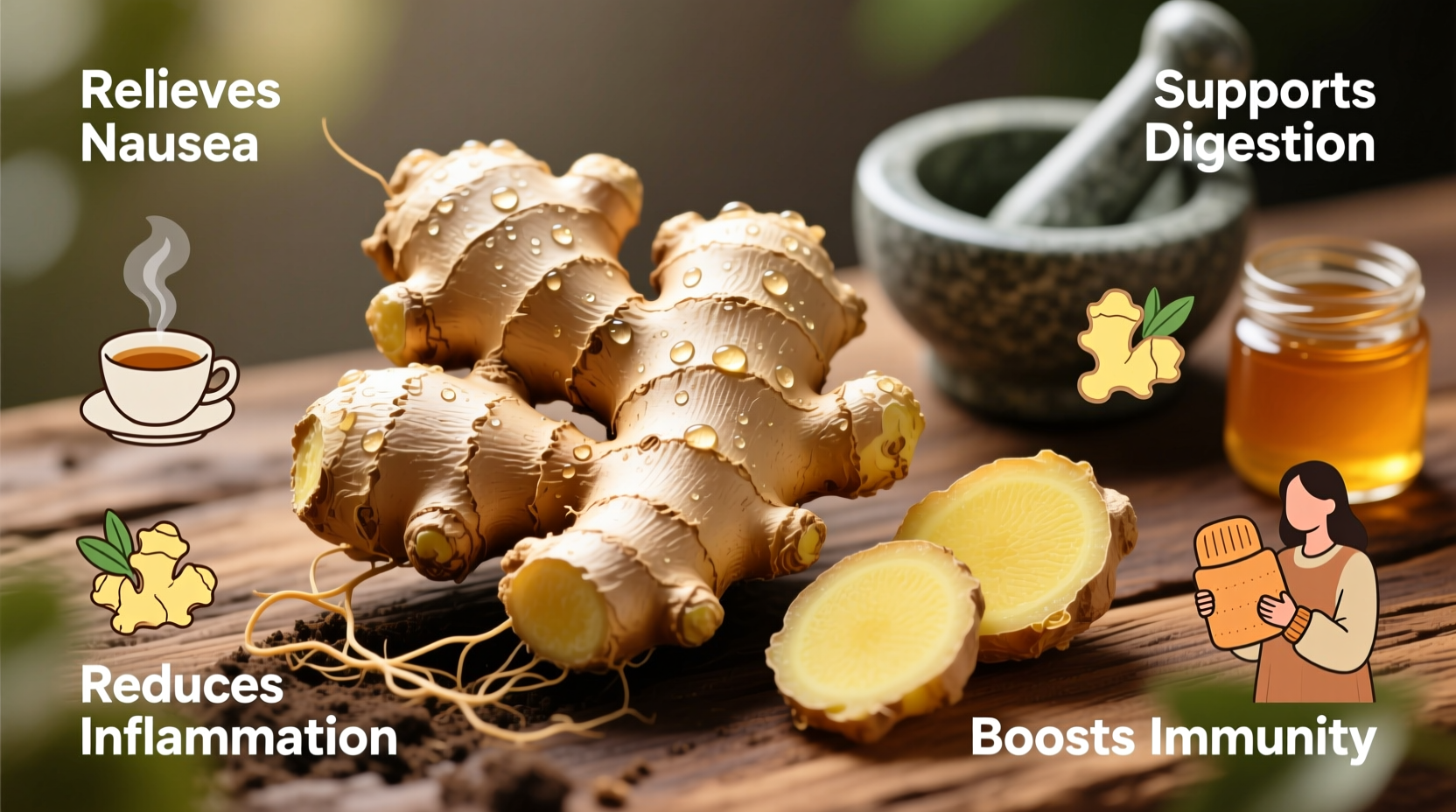
Ginger (Zingiber officinale) is a flowering plant whose rhizome—commonly called ginger root—is used widely as a spice and herbal remedy. Native to Southeast Asia, it has been cultivated for over 3,000 years and is now grown throughout tropical regions including India, China, Nigeria, and Jamaica. Unlike true roots, ginger is a rhizome: an underground stem that stores nutrients and sends out shoots and roots.
The plant features narrow leaves and yellow-green flowers, but it's the knobby, tan-to-brown rhizome that holds culinary and therapeutic value. Fresh ginger has a pungent, slightly sweet aroma with warm, peppery notes and a citrus-like brightness. Its taste ranges from mildly spicy to sharply hot, depending on age and preparation. Dried or powdered ginger develops a more concentrated, earthy heat, making it suitable for both cooking and medicinal infusions.
Ginger belongs to the same botanical family as turmeric and cardamom, sharing some aromatic compounds but standing apart with its distinct zesty warmth. It is used across cultures—from Indian curries and Chinese stir-fries to Scandinavian pastries and Caribbean jerk seasoning—demonstrating remarkable versatility.
Key Characteristics
| Characteristic | Description |
|---|---|
| Flavor Profile | Spicy, warm, slightly sweet, with citrusy and peppery undertones; fresh form is brighter, dried form more earthy and intense. |
| Aroma | Pungent, sharp, and fragrant with lemony and woody notes. |
| Color & Form | Fresh: Tan to light brown skin, pale yellow flesh. Dried/Powdered: Light to medium brown powder. |
| Heat Level | Moderate (2–4 on a 10-point scale); less intense than chili peppers but perceptible and warming. |
| Culinary Function | Flavor enhancer, digestive aid, tenderizer, preservative, anti-inflammatory agent. |
| Shelf Life | Fresh: Up to 3 weeks refrigerated, longer frozen. Powdered: 2–3 years if stored properly. |
Practical Usage: How to Use Ginger Root in Cooking and Beyond
Ginger functions as both a foundational ingredient and a finishing accent. Its ability to balance richness, cut through fat, and stimulate digestion makes it indispensable in many recipes. The key to using ginger well lies in understanding when and how much to apply—and which form best suits your purpose.
In Home Cooking
Fresh ginger is most commonly grated, minced, or thinly sliced and added early in the cooking process to infuse dishes with depth. It pairs especially well with garlic, scallions, soy sauce, and citrus. For example:
- Stir-fries: Add 1 teaspoon grated ginger with garlic at the beginning of sautéing to build flavor base.
- Soups and broths: Simmer a 1-inch knob of peeled ginger in miso soup, chicken noodle, or vegetable broth for subtle warmth.
- Marinades: Combine grated ginger with oil, vinegar, and herbs to tenderize meats and seafood before grilling.
- Baked goods: Use ground ginger in gingerbread, oatmeal cookies, or spiced cakes at ½ to 1 teaspoon per batch.
- Smoothies and juices: Add a small slice (¼ inch) of fresh ginger to green juices or fruit smoothies for a metabolic boost.
Pro Tip: Always peel fresh ginger before use unless organic and thoroughly scrubbed. Use a spoon to easily scrape off the thin skin without wasting flesh. Freeze whole unpeeled rhizomes and grate directly from frozen—this prevents oxidation and extends usability.
Professional Culinary Applications
In professional kitchens, chefs leverage ginger not only for flavor but also for its functional properties. Sous-vide preparations often include ginger in vacuum-sealed proteins to enhance tenderness and add complexity. High-end restaurants may create ginger oil by steeping sliced ginger in neutral oil, then straining it to drizzle over seared scallops or roasted vegetables.
Some pastry chefs make candied ginger by simmering peeled slices in sugar syrup, then coating them in granulated sugar. This version adds chewy texture and bursts of heat to desserts. Others prepare ginger-infused simple syrups for cocktails—such as a ginger-mint syrup used in mojitos or Moscow mules.
Pairing Suggestions
Ginger harmonizes with a wide range of ingredients due to its balanced heat and acidity. Consider these pairings:
- Fish & Shellfish: Complements salmon, shrimp, and tuna with its bright, clean spice.
- Citrus: Pairs naturally with lemon, lime, and orange in dressings, marinades, and beverages.
- Alliums: Works synergistically with garlic, shallots, and onions as part of an aromatic base.
- Coconut: Enhances coconut milk-based curries and soups (e.g., Thai tom kha gai).
- Warm Spices: Blends seamlessly with cinnamon, cloves, nutmeg, and allspice in baked goods and chai tea.
As a general rule, use **1 tablespoon freshly grated ginger** to replace **½ teaspoon ground ginger**, adjusting to taste. Overuse can dominate delicate flavors, so start conservatively and layer gradually.
Variants & Types of Ginger
Ginger comes in several forms, each suited to specific uses. Understanding their differences ensures optimal results in both cooking and wellness applications.
| Type | Description | Best Used For |
|---|---|---|
| Fresh Ginger Root | Rhizomes sold raw in produce sections; firm, moist, with a bright aroma. | Stir-fries, soups, marinades, juicing, homemade remedies. |
| Ground Ginger (Powdered) | Dried and milled ginger; more concentrated and earthy than fresh. | Baking, spice blends (e.g., pumpkin pie spice), dry rubs, capsule supplements. |
| Candied Ginger | Cooked in sugar syrup and coated in sugar; chewy with intense heat. | Desserts, trail mixes, cheese boards, snacking. |
| Crystallized Ginger | Similar to candied but often softer and less sugary; sometimes glazed. | Confections, chocolate pairings, baking. |
| Preserved Ginger (in Syrup) | Pink-tinted slices packed in sweet liquid; mild heat, soft texture. | Asian cuisine garnishes, sushi accompaniments, palate cleansers. |
| Ginger Juice | Extracted from fresh ginger; highly concentrated. | Cocktails, dressings, detox shots, immune tonics. |
| Ginger Extract/Tincture | Alcohol-based concentrate; potent and long-lasting. | Medicinal use, dietary supplementation. |
For maximum freshness and potency, choose firm, taut-skinned fresh ginger with no wrinkles or mold. Avoid shriveled or damp pieces, which indicate age or spoilage.
Comparison with Similar Ingredients
Ginger is often confused with other rhizomatous spices, particularly galangal and turmeric. While they share a family and appearance, their uses differ significantly.
| Ingredient | Flavor Profile | Appearance | Common Uses |
|---|---|---|---|
| Ginger | Spicy, warm, citrusy, peppery | Knobby, tan skin, yellow flesh | Universal: Asian, Indian, Middle Eastern, Western baking |
| Galangal | Sharper, piney, resinous, less sweet | Smoother, paler, harder texture | Thai and Indonesian curries (e.g., tom yum) |
| Turmeric | Earthy, bitter, mild warmth, slightly metallic | Orange-yellow flesh, similar shape | Curries, rice dishes, golden milk, coloring agent |
| Horseradish | Sharp, sinus-clearing heat (volatile oils) | Longer, white root, not a rhizome | Condiments (wasabi substitute), sauces |
“While turmeric gives color and ginger gives heat, galangal brings a camphorous clarity that defines authentic Thai sour soups. Never substitute one for another without adjusting expectations.” — Chef Niran Niyomgern, James Beard-nominated Thai cuisine expert
Substitution note: In a pinch, use ¾ teaspoon ground ginger for 1 tablespoon fresh. However, galangal cannot be replaced with ginger in traditional Thai dishes without altering authenticity.
Practical Tips & FAQs
How do I store fresh ginger to extend shelf life?
Wrap unpeeled ginger in a paper towel and place it in a resealable plastic bag in the refrigerator crisper drawer. Stored this way, it lasts up to three weeks. For longer preservation, freeze whole or sliced pieces indefinitely. Grate frozen ginger directly into dishes—no thawing needed.
Can I grow my own ginger at home?
Yes. Plant a piece of fresh ginger root (with visible growth eyes) in well-draining soil, about 2–3 inches deep, in a warm, shaded spot. Water regularly. It takes 8–10 months to mature, but you can harvest small portions while the plant grows.
Is there a difference between young and mature ginger?
Yes. Young ginger (spring harvest) has thinner skin, higher moisture, and a milder, juicier flavor—ideal for pickling or eating raw. Mature ginger (fall/winter) is fibrous, drier, and hotter, better suited for grating and cooking.
What are the health benefits of ginger root?
Ginger contains bioactive compounds like gingerol, shogaol, and paradol, which have demonstrated anti-inflammatory, antioxidant, and anti-nausea effects in clinical studies. Regular consumption may help with:
- Digestive relief (nausea, bloating, indigestion)
- Motion sickness and morning sickness (studies support modest efficacy)
- Osteoarthritis pain reduction (some trials show improvement comparable to ibuprofen)
- Nausea related to chemotherapy (when used under medical supervision)
- Post-exercise muscle soreness mitigation
However, ginger is not a cure-all. It works best as part of a balanced diet and should not replace prescribed treatments. Consult a healthcare provider before using high-dose ginger supplements, especially if pregnant, on blood thinners, or managing diabetes.
Are there any side effects of consuming too much ginger?
Excessive intake (more than 4 grams daily) may cause heartburn, diarrhea, or mouth irritation. Rarely, it may interact with anticoagulants due to mild blood-thinning properties. Moderation is key.
What’s the best way to make ginger tea at home?
Peel and slice 1–2 inches of fresh ginger. Simmer in 2 cups of water for 10–15 minutes. Strain and add lemon juice and honey to taste. For cold relief, add crushed cloves and cinnamon. Drink warm, 1–2 times daily during illness.
Can I substitute ground ginger for fresh in recipes?
You can, but with caution. Ground ginger lacks the bright, volatile top notes of fresh ginger and delivers a deeper, more earthy heat. Use ¼ to ½ teaspoon ground for every tablespoon fresh, and add later in cooking to preserve flavor. Best reserved for baked goods and slow-cooked stews.
Storage Checklist:
✓ Refrigerate fresh ginger in a sealed container with a paper towel
✓ Freeze for long-term storage (up to 6 months)
✓ Store powdered ginger in a cool, dark cupboard away from heat and light
✓ Label containers with purchase date
✓ Discard powdered ginger after 3 years or if aroma fades
Summary & Key Takeaways
Ginger root is a multifaceted ingredient that bridges the gap between kitchen and apothecary. Its bold, warming flavor enhances everything from stir-fries to smoothies, while its medicinal properties offer real, research-supported benefits for digestion, inflammation, and nausea management.
To use ginger effectively:
- Choose fresh, firm rhizomes with tight skin for optimal quality.
- Match the form to the application: fresh for cooking, powdered for baking, preserved for garnish.
- Store properly to maximize shelf life—refrigeration and freezing work best for fresh ginger.
- Respect its potency: start with small amounts and adjust to taste.
- Recognize that ginger is not interchangeable with galangal or turmeric in authentic ethnic dishes.
- Leverage its health benefits wisely, but avoid overstating its curative power.
Whether you’re crafting a fiery ramen broth, soothing an upset stomach, or spicing up holiday cookies, ginger root remains one of the most reliable and rewarding ingredients in your pantry. Master its nuances, and you’ll unlock new dimensions of flavor and wellness in everyday life.
Next time you're at the market, pick up a piece of fresh ginger and experiment with one new recipe—whether it's homemade ginger tea, a stir-fry, or a batch of spiced nuts. Notice how its warmth transforms both taste and sensation. Share your favorite ginger hack with friends, and keep this ancient rhizome alive in modern kitchens.




 浙公网安备
33010002000092号
浙公网安备
33010002000092号 浙B2-20120091-4
Comments
No comments yet. Why don't you start the discussion?