
Nosebleeds are common and often harmless, but when they occur frequently or last longer than usual, they may signal an underlying issue. While most cases stem from dry air or minor trauma, persistent bleeding can be a sign of more serious conditions. Understanding the root causes, how to prevent recurrences, and knowing when to consult a healthcare provider empowers you to respond appropriately and maintain nasal health.
Understanding Nosebleed Types and Anatomy
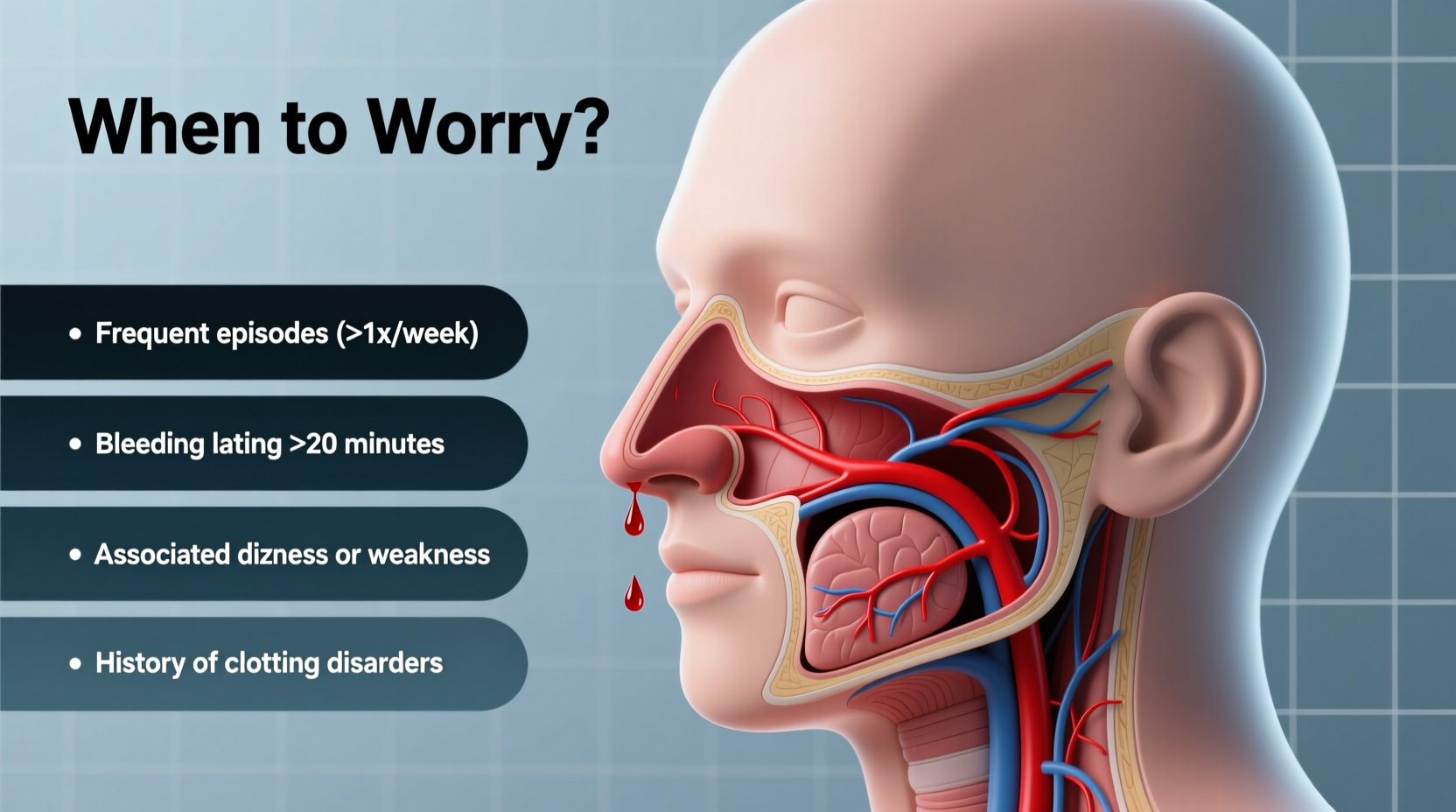
The nose contains a dense network of small blood vessels close to the surface, especially in the front part of the nasal septum—known as Kiesselbach’s area. This region is responsible for over 90% of nosebleeds, medically termed epistaxis. There are two primary types:
- Anterior nosebleeds: Originate from the front of the nose, usually mild, and often manageable at home.
- Posterior nosebleeds: Come from deeper inside the nose, involve larger vessels, and are more common in older adults or those with high blood pressure. These require urgent medical attention.
Frequent anterior bleeds may result from environmental or behavioral factors, while recurrent posterior episodes could point to systemic health issues.
Common Causes of Constant Nosebleeds
Chronic or repeated nosebleeds rarely happen without reason. The following factors are among the most prevalent contributors:
- Dry Air: Especially during winter or in air-conditioned environments, dryness irritates and cracks nasal membranes.
- Nasal Irritation: Frequent nose-blowing, picking, or rubbing damages delicate tissue.
- Allergies and Infections: Rhinitis, sinusitis, or chronic congestion inflame nasal passages, increasing vulnerability to bleeding.
- Medications: Blood thinners (like warfarin or aspirin), antihistamines, decongestants, and some nasal sprays reduce clotting or dry out mucous membranes.
- Nasal Abnormalities: Deviated septum, nasal polyps, or previous trauma can create turbulent airflow and localized drying.
- High Blood Pressure: While not a direct cause, hypertension can worsen bleeding and delay clotting.
- Bleeding Disorders: Conditions like hemophilia or von Willebrand disease impair normal clot formation.
- Tumors: Rarely, benign or malignant growths in the nasal cavity may present with recurrent bleeding, particularly if one-sided.
In children, nose-picking and allergies dominate as causes. In adults, especially over 50, medication use and hypertension play larger roles.
Effective Prevention Strategies
Preventing recurring nosebleeds involves protecting and moisturizing nasal tissue while minimizing irritation. A few consistent habits can make a significant difference:
| Prevention Method | How It Helps | Frequency/Notes |
|---|---|---|
| Use a humidifier | Adds moisture to indoor air, reducing nasal dryness | Nightly in bedrooms during dry seasons |
| Saline nasal spray or gel | Keeps lining moist and supports healing | 2–3 times daily; preservative-free preferred |
| Avoid nose picking or forceful blowing | Prevents mechanical trauma | Practice gentle hygiene |
| Apply petroleum jelly inside nostrils | Seals in moisture and protects fragile skin | Once daily, especially before bed |
| Stay hydrated | Maintains mucosal integrity | Drink at least 8 glasses of water daily |
“Simple changes like using saline mist and a bedroom humidifier reduce recurrence in up to 70% of patients with chronic epistaxis.” — Dr. Lena Patel, Otolaryngologist
When to Worry: Warning Signs That Require Medical Attention
Most nosebleeds stop within 10–15 minutes with basic first aid. However, certain symptoms suggest a need for prompt evaluation:
- Bleeding lasts longer than 20 minutes despite compression
- Bleeding follows a head injury
- Significant blood loss causing dizziness, weakness, or fainting
- Frequent episodes (more than once a week) without clear cause
- One-sided bleeding in older adults (could indicate a tumor)
- Nosebleeds accompanied by bruising, gum bleeding, or prolonged bleeding from cuts
If you’re on blood-thinning medication and experience regular nosebleeds, discuss management options with your doctor. They may adjust dosage or recommend protective measures.
Mini Case Study: Recognizing a Hidden Condition
Sarah, a 58-year-old teacher, began having weekly nosebleeds that lasted several minutes. She attributed them to dry winter air and used over-the-counter sprays. After three months, she developed fatigue and noticed easy bruising. Her primary care physician ordered blood tests, revealing thrombocytopenia—a low platelet count linked to an autoimmune disorder. Early recognition prevented complications. This case illustrates why persistent nosebleeds warrant investigation, even when seemingly benign.
Step-by-Step Guide to Managing a Nosebleed
Knowing how to respond correctly during a nosebleed reduces anxiety and prevents worsening:
- Sit upright and lean forward slightly. This prevents blood from draining into the throat.
- Pinch the soft part of your nose (just below the bony bridge) firmly with your thumb and index finger.
- Hold pressure continuously for 10–15 minutes. Do not peek every few seconds—this disrupts clot formation.
- Breathe through your mouth and remain calm. Consider setting a timer.
- After releasing, avoid blowing, sniffing, or bending over for at least 30 minutes.
- If bleeding continues, repeat the process. If it persists beyond 20 minutes, seek emergency care.
FAQ: Common Questions About Recurrent Nosebleeds
Can dehydration cause nosebleeds?
Yes. Dehydration dries out mucous membranes, making them more prone to cracking and bleeding. Staying well-hydrated supports overall nasal health.
Are frequent nosebleeds a sign of cancer?
Rarely. Most are due to benign causes. However, persistent one-sided nosebleeds, especially with nasal obstruction, facial pain, or swollen lymph nodes, should be evaluated to rule out nasopharyngeal or sinus tumors.
Is it safe to use nasal decongestant sprays regularly?
No. Sprays like oxymetazoline provide short-term relief but can cause rebound congestion and tissue damage if used more than 3–5 days consecutively. Opt for saline-based alternatives for long-term use.
Checklist: What to Do If You Have Constant Nosebleeds
- ✔️ Keep nasal passages moist with saline spray or gel
- ✔️ Use a humidifier in your bedroom at night
- ✔️ Avoid picking or inserting objects into the nose
- ✔️ Apply petroleum jelly gently inside nostrils daily
- ✔️ Monitor blood pressure and review medications with your doctor
- ✔️ Seek evaluation if bleeding is frequent, prolonged, or associated with other symptoms
- ✔️ Maintain hydration and limit alcohol and caffeine intake
Conclusion: Take Control of Your Nasal Health
Constant nosebleeds are more than just inconvenient—they can be a signal from your body that something needs attention. While many causes are easily managed with lifestyle adjustments, ignoring persistent episodes risks overlooking serious conditions. By adopting preventive habits, responding effectively during a bleed, and knowing when to seek help, you protect not only your comfort but your long-term health.




 浙公网安备
33010002000092号
浙公网安备
33010002000092号 浙B2-20120091-4
Comments
No comments yet. Why don't you start the discussion?