
A man’s wallet is more than just an accessory—it’s a daily companion that reflects personal style, supports practical needs, and often carries emotional weight. Whether tucked in a back pocket or slipped into a jacket, the right wallet should balance elegance with efficiency. Yet, too many men settle for bulky, outdated designs that wear poorly or fail to meet modern demands. With digital cards, contactless payments, and minimalist lifestyles gaining traction, choosing the ideal card wallet requires thoughtful consideration of material, size, organization, and durability.
Understand Your Daily Carry Needs
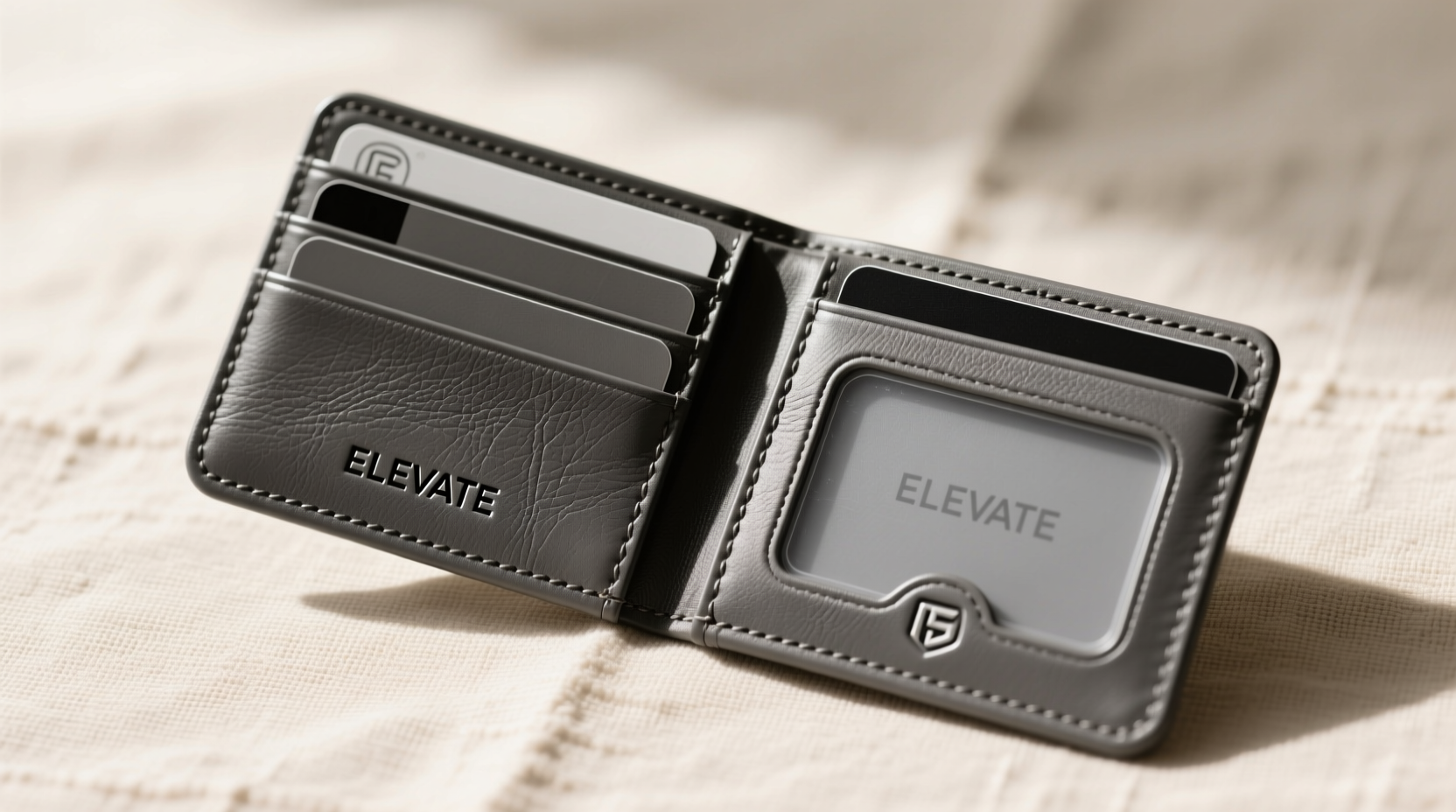
The foundation of any smart wallet choice begins with self-assessment. Ask: How many cards do you actually use daily? Do you carry cash regularly? Are receipts or transit passes part of your routine? Most men overestimate their needs, leading to overstuffed wallets that strain seams and distort clothing lines.
A streamlined approach improves both comfort and longevity. The average user only accesses 4–6 cards per week—typically a driver’s license, one credit card, a debit card, and perhaps a loyalty or access card. Eliminating rarely used items reduces bulk and enhances usability.
Choose the Right Wallet Type Based on Lifestyle
Not all wallets serve the same purpose. Selecting the correct form factor ensures compatibility with your daily routine.
- Bifold Wallets: Classic and widely available. Ideal for those who still carry some cash and multiple cards. Offers good protection but can become thick if overloaded.
- Trifold Wallets: Extra folding section increases storage but adds bulk. Best suited for formal settings where larger bills are common.
- Cardholders: Slim, minimalist options holding 4–8 cards. Perfect for urban professionals who rely on tap-to-pay systems and want clean lines under clothing.
- Front-Pocket Wallets: Designed to fit comfortably in front pants pockets, reducing back strain and deterring pickpockets. Often made from aluminum or carbon fiber for RFID shielding.
- Wallets with Money Clips: Combine slim storage with secure cash retention. Excellent for those who prefer folded bills without adding thickness.
Prioritize Quality Materials That Last
Durability and aesthetics go hand-in-hand when selecting materials. A well-made wallet ages gracefully, developing a unique patina over time rather than cracking or fraying.
| Material | Pros | Cons |
|---|---|---|
| Full-Grain Leather | Durable, ages beautifully, water-resistant over time | Higher cost, initial stiffness |
| Top-Grain Leather | More affordable, smoother finish | Less durable, wears faster |
| Woven Nylon (e.g., Cordura) | Lightweight, weatherproof, modern look | Lacks traditional appeal, no aging character |
| Titanium/Aluminum | Ultra-slim, RFID-blocking, crush-resistant | Cold feel, limited card capacity, harder to repair |
“Investing in full-grain leather isn’t about luxury—it’s about long-term value. A $120 wallet that lasts ten years costs less per month than a $30 one replaced annually.” — Daniel Reeves, Product Designer at Heritage Goods Co.
Design Features That Enhance Functionality
Stylish doesn’t have to mean impractical. The best wallets integrate subtle innovations that improve real-world performance.
Retailer Access & Quick-Draw Slots
Some premium wallets feature angled card slots or spring-loaded mechanisms that allow easy access to frequently used cards without removing the wallet from your pocket. This small detail reduces friction and speeds up transactions.
ID Windows vs. Hidden Pockets
While transparent ID windows offer convenience at airports or bars, they expose personal information and scratch easily. Consider wallets with internal slip pockets instead—just as accessible but more secure and discreet.
Rounded Corners and Smooth Edges
Sharp corners dig into fabric and skin. High-end manufacturers round edges during cutting, improving comfort and reducing wear on surrounding materials like jeans or suit linings.
Security and Modern Threats
In an age of wireless data theft, physical protection isn’t enough. RFID (Radio-Frequency Identification) skimming allows criminals to wirelessly read contactless chip data from credit cards and passports.
Wallets with built-in RFID blocking use metallic mesh layers to shield sensitive information. While not all cards are vulnerable, it’s a low-cost safeguard worth considering—especially for travelers or city dwellers.
However, avoid over-reliance on marketing claims. Independent testing shows mixed results among brands. Look for wallets tested to ISO/IEC 14443 standards, which govern proximity identification systems.
Real Example: The Commuter’s Upgrade
James, a financial analyst in Chicago, carried a worn leather bifold for years. It bulged with eight cards, old receipts, and folded twenties. After back pain led him to see a chiropractor, he was advised to stop carrying his wallet in his back pocket. He switched to a titanium front-pocket wallet with RFID protection and reduced his load to five essential cards. Within weeks, his discomfort decreased, and he appreciated faster checkouts using Apple Pay via his minimal setup.
Step-by-Step Guide to Choosing Your Ideal Wallet
- Evaluate Current Usage: Empty your current wallet and categorize contents. Keep only essentials used weekly.
- Determine Preferred Carry Style: Decide whether you prefer back pocket, front pocket, or jacket carry.
- Select Material Type: Choose based on climate, desired aging pattern, and ethical preferences (e.g., vegan alternatives).
- Narrow by Capacity: Pick a model that holds your active cards plus one or two spares—no more.
- Test Ergonomics: If buying online, research return policies. For in-store purchases, simulate pulling out a card while seated.
- Check Stitching and Construction: Look for saddle stitching (hand-stitched) over machine stitching—it resists unraveling even if thread breaks.
- Assess Long-Term Value: Factor in expected lifespan and warranty. Many premium brands offer lifetime repairs.
Essential Wallet Checklist Before Buying
- ✅ Holds 4–6 cards comfortably without stretching
- ✅ Fits cleanly in preferred pocket without sagging
- ✅ Made from durable, high-quality material (full-grain leather, aerospace-grade metal, etc.)
- ✅ Includes RFID protection if carrying contactless cards
- ✅ Features smooth, rounded edges for comfort
- ✅ Has a money clip or cash sleeve if needed
- ✅ Backed by manufacturer warranty or repair program
Frequently Asked Questions
How thin should my wallet be?
Ideal thickness is under 0.5 inches when fully loaded. Anything thicker disrupts clothing drape, causes pocket wear, and may contribute to posture issues when carried in the back pocket.
Are minimalist wallets worth it?
Yes—for users embracing digital payment methods and decluttered lifestyles. They reduce bulk, improve comfort, and encourage intentionality in what you carry. However, they may not suit those who need frequent cash access or manage multiple IDs.
Can I personalize my wallet?
Many brands offer monogramming or custom stitching. Engraving on metal wallets or embossing on leather adds a personal touch and makes recovery easier if lost. Just ensure engraving doesn’t compromise structural integrity.
Final Thoughts: Make Your Choice Count
Your wallet moves through the world with you—through meetings, travel, casual outings, and milestones. Choosing one that blends function with refined taste isn’t vanity; it’s self-respect. The right design simplifies your day, protects what matters, and endures beyond trends. Don’t rush the decision. Try options, assess real usage, and invest where it counts. A thoughtfully chosen wallet becomes more than an organizer—it becomes an extension of who you are.




 浙公网安备
33010002000092号
浙公网安备
33010002000092号 浙B2-20120091-4
Comments
No comments yet. Why don't you start the discussion?