
When it comes to personalizing your keys or adding a touch of charm to your everyday carry, the choice between cotton padded keychains and traditional metal or plastic pendants isn’t just about aesthetics—it’s about longevity. While both styles serve as accessories, their construction, materials, and resilience under daily use differ significantly. With increasing popularity in plush, soft-textured keychains, especially among younger consumers and gift markets, a critical question emerges: Are cotton padded keychains actually more durable than regular pendants, or do they sacrifice strength for style?
This article examines the structural integrity, material composition, environmental resistance, and long-term usability of both types. By analyzing real-world wear patterns, user habits, and manufacturing standards, we aim to provide a clear, evidence-based comparison that helps you make an informed decision.
Material Composition and Build Quality
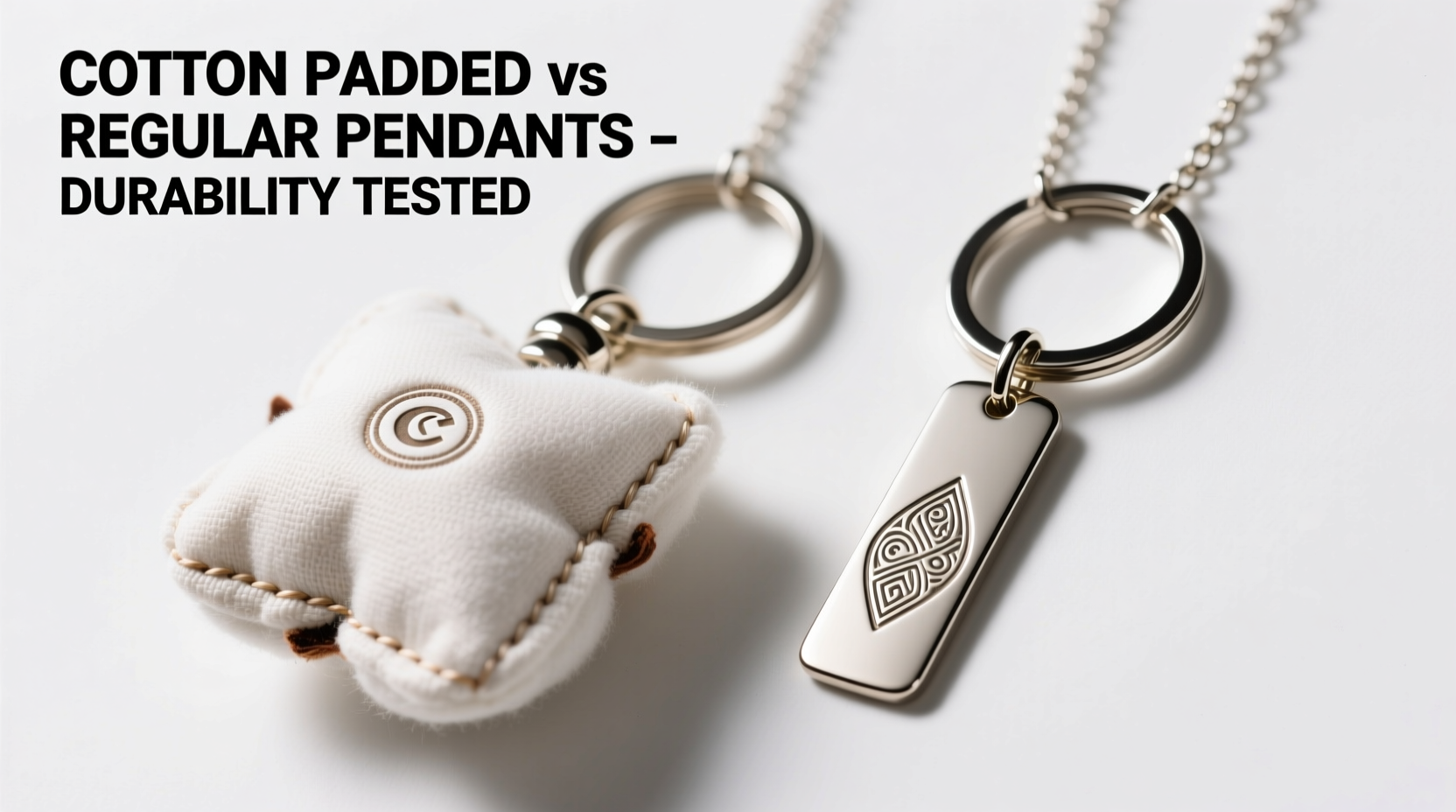
The durability of any accessory begins with its materials. Regular pendants are typically made from metals (such as stainless steel, zinc alloy, or aluminum), hard plastics, or enamel-coated surfaces. These materials are inherently rigid and resistant to compression, scratches, and moderate impacts. Most are designed for long-term use and often feature protective plating to resist tarnishing and corrosion.
In contrast, cotton padded keychains consist of a soft outer fabric—usually polyester or cotton blend—stuffed with polyfill or sponge-like padding. The core is non-rigid, designed for tactile comfort and visual appeal rather than toughness. While the stitching and fabric quality vary by manufacturer, most rely on double-stitched seams and reinforced loops to prevent unraveling.
The fundamental difference lies in intent: regular pendants prioritize function and resilience; cotton padded keychains emphasize softness, design variety, and emotional appeal. This doesn’t mean one is universally better—but it does affect how each performs over time.
Wear and Tear: Real-World Performance Comparison
Durability isn't just about initial quality—it's about how an item holds up under repeated stress. To assess this, consider common scenarios: jostling in pockets, exposure to moisture, friction against other keys, and accidental drops.
Regular pendants excel in impact resistance. A metal charm dropped on concrete may dent but rarely breaks. Plastic pendants can crack under extreme force, but generally withstand years of daily use without significant degradation. Their smooth surfaces also resist dirt buildup and are easy to wipe clean.
Cotton padded keychains face greater challenges. The soft stuffing compresses over time, especially when carried loosely in a pocket or bag. Fabric can snag on sharp edges, leading to fraying or tears. Moisture absorption is another concern—unlike metal, fabric retains water, which promotes mildew and weakens fibers if not dried properly. Sunlight exposure can also cause fading, particularly in dyed materials.
However, well-made padded keychains with high-density stitching and water-resistant coatings can last over a year with moderate use. In controlled environments—like being attached to a purse or kept in a jacket pocket—they avoid the harshest conditions and maintain appearance longer.
“Durability isn’t just about material hardness—it’s about suitability for use. A plush keychain may not survive a construction site, but it can endure gentle daily handling just fine.” — Daniel Reyes, Product Design Analyst at Urban Gear Labs
Comparison Table: Cotton Padded Keychains vs Regular Pendants
| Feature | Cotton Padded Keychains | Regular Pendants |
|---|---|---|
| Core Material | Polyester/cotton fabric with polyfill | Metal, hard plastic, enamel |
| Impact Resistance | Low – absorbs shock but deforms | High – resists dents and cracks |
| Water Resistance | Low to moderate (unless coated) | High – especially stainless steel |
| Lifespan (Average) | 6–18 months | 3–10+ years |
| Maintenance Needs | Spot cleaning, air drying | Wipe with cloth, occasional polish |
| Aesthetic Longevity | Fades, flattens, stains over time | Scratches possible; plating may wear |
Mini Case Study: Office Worker vs. Outdoor Enthusiast
Consider two users: Maya, a graphic designer who carries her keys in a handbag, and Jordan, a landscaper who keeps keys in a back pocket during physically demanding work.
Maya uses a pastel cotton bunny keychain gifted by a friend. Over nine months, she notices slight flattening and minor fading but no tearing. She occasionally wipes it with a damp cloth and avoids submerging it. For her usage pattern, the keychain remains functional and visually appealing.
Jordan owns a metal dog-tag-style pendant. After six months of daily exposure to soil, sweat, and rain, the pendant shows scratches and light rust near the ring, but remains intact. He attempts using a cotton cat-shaped keychain, but within three weeks, the fabric tears from constant friction against his tool belt.
This illustrates a key principle: durability depends on context. Cotton padded keychains perform adequately in low-abrasion environments but fail quickly under rugged conditions.
How to Extend the Life of Cotton Padded Keychains
If you prefer the look and feel of padded keychains, you can improve their lifespan with mindful care. Follow these steps to maximize durability:
- Avoid direct washing: Never machine-wash unless specified. Use a damp cloth with mild soap for spot cleaning.
- Keep dry: Remove the keychain before washing hands or entering rainy conditions. If wet, air-dry completely before reuse.
- Rotate usage: Use padded keychains seasonally or for special occasions, reserving metal pendants for daily heavy-duty tasks.
- Store separately: Keep them in a small pouch when not in use to prevent snagging and dust accumulation.
- Inspect monthly: Check for loose threads or weakened loops and repair early with needle and thread.
Frequently Asked Questions
Can cotton padded keychains be repaired if torn?
Yes, minor tears can often be sewn shut with a fine needle and matching thread. For larger damage, fabric patches or embroidery can cover holes decoratively. However, once stuffing leaks out, full restoration is difficult.
Do metal pendants tarnish over time?
Yes, especially those made from copper, brass, or lower-grade alloys. Stainless steel and anodized aluminum resist corrosion best. Regular wiping and occasional polishing help maintain shine and prevent oxidation.
Are there hybrid options that combine soft design with durability?
Emerging designs include silicone-covered charms that mimic plush textures while offering water resistance and flexibility. These hybrids are more durable than fabric versions and easier to clean, making them a practical middle ground.
Conclusion: Choosing Based on Lifestyle, Not Just Looks
The question isn’t whether cotton padded keychains are objectively more durable than regular pendants—they aren’t. Metal and hard plastic consistently outperform soft textiles in strength, weather resistance, and longevity. However, durability must be weighed against purpose. If your priority is emotional value, cuteness, or gifting, a padded keychain offers unique appeal that rigid pendants can’t match.
The smart approach is alignment: choose based on how and where you’ll use the keychain. For everyday carry in tough conditions, stick with metal. For decorative use, fashion pairing, or sentimental gifts, cotton padded versions offer charm worth the trade-off in lifespan.




 浙公网安备
33010002000092号
浙公网安备
33010002000092号 浙B2-20120091-4
Comments
No comments yet. Why don't you start the discussion?