
Hip hop jewelry has long been more than just adornment—it’s a statement of identity, culture, and creative expression. From bold grills to oversized chains and custom pendants, the genre's aesthetic celebrates individuality and craftsmanship. While store-bought pieces have their place, there’s unmatched pride in wearing something you’ve designed and built yourself. This guide walks you through every step of creating a one-of-a-kind hip hop-inspired pendant, from concept to final polish. Whether you're new to jewelry making or looking to expand your skills, this project blends artistry, personal flair, and hands-on technique.
Understanding Hip Hop Jewelry Aesthetics
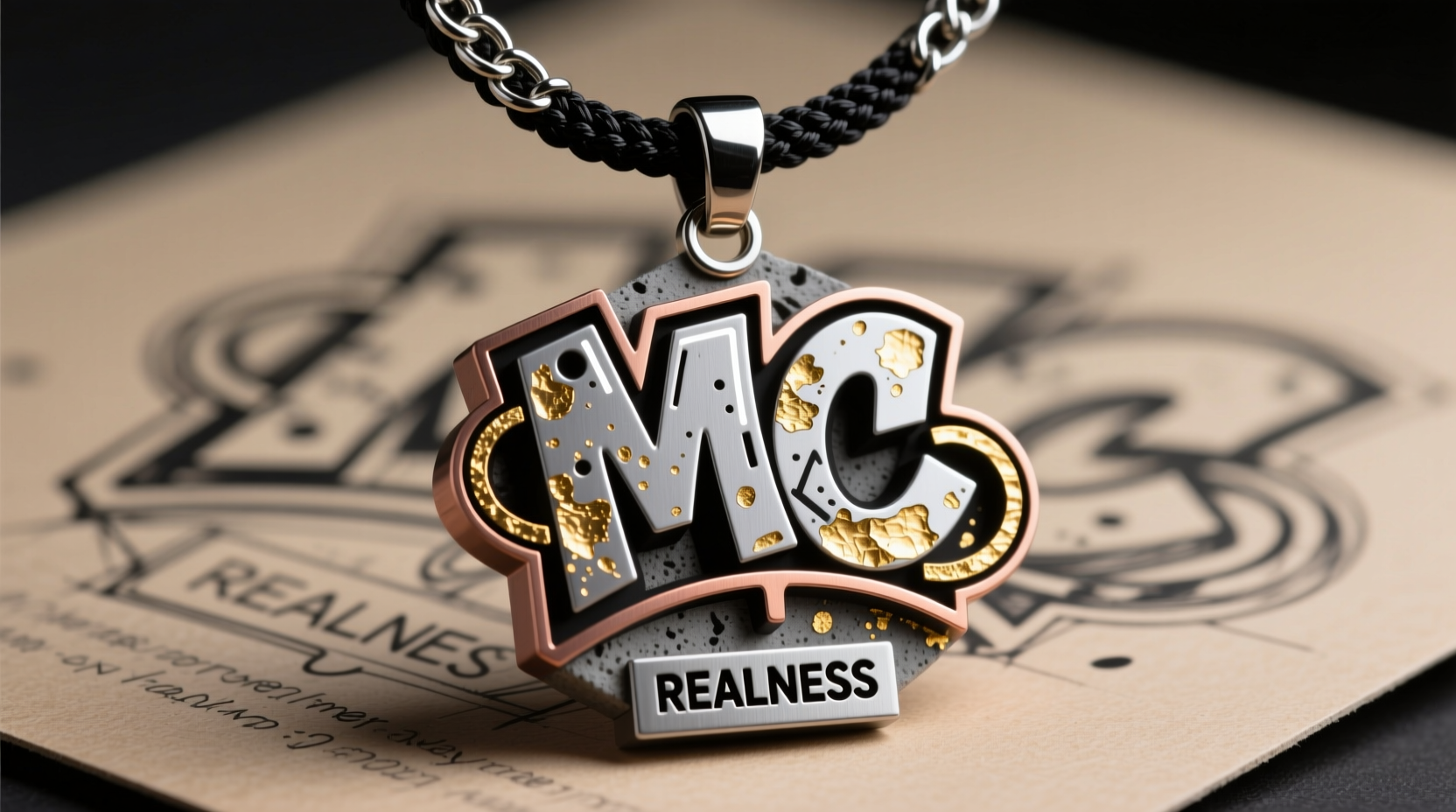
Hip hop jewelry emerged as a symbol of success, resilience, and cultural pride. Early pioneers like Run-D.M.C. popularized thick gold chains, while artists such as Slick Rick and Tupac Amaru Shakur elevated the craft with personalized medallions, nameplates, and religious or symbolic motifs. Today, the style embraces extravagance, symmetry, and meaningful iconography—crosses, crowns, dice, dollar signs, initials, and even 3D sculptural elements.
The key to authenticity isn’t just size or shine—it’s intention. Your pendant should reflect who you are. Are you drawn to Afrocentric symbols? Do you want to honor your heritage or hometown? Maybe you’re inspired by graffiti lettering or street art. Begin by collecting visual references: album covers, vintage jewelry ads, tattoo designs, or murals. These will inform both your theme and technical approach.
Materials and Tools You’ll Need
Creating a durable, polished pendant requires specific supplies. While high-end jewelers use casting and CNC milling, you can achieve professional results at home with accessible tools and materials. Below is a comprehensive list categorized for clarity.
| Category | Item | Recommended Option |
|---|---|---|
| Base Material | Metal Sheet (brass, copper, or aluminum) | Brass – affordable, gold-like finish, easy to engrave |
| Shaping Tools | Jeweler’s saw, metal shears, rotary tool | Precision jeweler’s saw with #2 blades |
| Filing & Smoothing | Needle files, sandpaper (200–2000 grit) | Assorted needle file set + wet/dry sandpaper |
| Design Transfer | Graphite paper, tracing stylus, permanent marker | Carbon transfer paper + fine-tip marker |
| Finishing | Polishing compound, buffing wheel, sealant | Rouge polishing compound + clear acrylic spray |
| Safety | Gloves, goggles, dust mask, ventilation | Nitrile gloves + N95 mask + workspace fan |
Optional upgrades include electroplating kits (for gold or rhodium finishes) and resin doming for layered designs. Start simple—master cutting and finishing before advancing to plating or embedded elements.
Step-by-Step Crafting Process
Follow this timeline-based guide to bring your design to life over a weekend or several evenings. Allow time for drying, curing, and refinement between stages.
- Design Phase (1–2 hours): Sketch your pendant on paper. Consider symmetry, negative space, and readability. Use geometric shapes or block letters if you're new to freehand drawing. Digitize it using a scanner or phone app to scale precisely.
- Transfer Design (30 minutes): Print your sketch at actual size. Place graphite paper under the printout on the metal sheet and trace over lines with a stylus or ballpoint pen. Ensure all details transfer clearly.
- Filing & Smoothing (2 hours): Use needle files to refine contours. Progress from coarse (200 grit) to ultra-fine (2000 grit) sandpaper, always sanding in one direction. This creates a smooth base for polishing.
- Detailing (Optional, 1 hour): Engrave textures, names, or patterns using a rotary tool with a fine carbide bit. Practice on scrap metal first. Keep strokes shallow and consistent.
- Polishing (45 minutes): Attach a buffing wheel to a rotary tool. Apply rouge compound and gently pass the pendant across the wheel in even motions. Finish with a microfiber cloth for shine.
- Sealing (15 minutes + drying time): Spray with a clear acrylic sealant to prevent tarnish, especially if using copper or brass. Allow 2–4 hours to cure fully.
Real Example: Malik’s Crown Pendant Journey
Malik, a 24-year-old graphic designer from Atlanta, wanted a pendant that blended his Nigerian roots with Southern hip hop culture. He sketched a crown fused with Adinkra symbols—specifically “Gye Nyame” (supremacy of God) and “Sankofa” (learn from the past). After transferring the design to a 2mm brass sheet, he spent two evenings cutting and filing. His first attempt had uneven edges, so he sanded it down and re-polished. On the third try, he used a printed stencil and achieved clean lines. He finished with a two-tone effect: polished crown peaks and matte-textured symbols. The result was worn on a 24-inch Cuban link chain and received attention at local open mics.
“It’s not just jewelry,” Malik said. “It’s a conversation piece about where I come from and what I stand for.”
“Handmade pendants carry energy no factory piece can replicate. They’re artifacts of personal narrative.” — Darius Reed, Independent Jewelry Artist & Hip Hop Curator
Customization Ideas and Advanced Techniques
Once you’ve mastered the basics, explore these creative enhancements:
- Layered Metal: Stack two cutouts with small spacers for depth. Solder or rivet them together.
- Resin Inlays: Fill engraved areas with colored epoxy resin. Add glitter or metallic flakes for bling.
- Personalized Backing: Engrave your name, motto, or coordinates on the reverse side.
- Electroplating: Use a low-voltage kit to coat copper or brass in 24k gold or silver.
- Chain Integration: Design a bail (loop) that matches your chain style—integrated links, angular supports, or rotating joints.
For those interested in wearable tech fusion, embed a tiny LED circuit behind translucent resin for a glowing effect—ideal for performances or night events.
Dos and Don’ts of DIY Hip Hop Pendants
| Do | Don’t |
|---|---|
| Wear safety gear when cutting or grinding metal | Work without eye protection or ventilation |
| Test polish on scrap metal first | Use steel wool on soft metals—it can leave scratches |
| Start with symmetrical, simple shapes | Attempt intricate lacework on your first try |
| Seal unfinished metals to prevent oxidation | Store bare brass or copper in humid environments |
| Sign and date your work on the back | Copy another artist’s exact design without permission |
FAQ
Can I make a pendant without power tools?
Yes. Hand tools like a piercing saw, manual files, and sandpaper can produce excellent results. It will take longer and require more effort, but many traditional jewelers work entirely by hand.
What’s the most affordable metal for beginners?
Aluminum and copper are inexpensive and easy to shape. Brass costs slightly more but offers a rich gold tone ideal for hip hop aesthetics. Avoid precious metals until you’re confident in your technique.
How do I attach the pendant to a chain?
Ensure your pendant has a sturdy bail (loop). Slide it onto the chain directly, or use a jump ring for added security. Test the fit with your preferred chain thickness before finalizing the hole size.
Bring Your Vision to Life
Creating your own hip hop pendant is an act of self-definition. It merges artistic vision with technical skill, resulting in a wearable emblem of your story. Every file mark, polished curve, and engraved line carries intention. This isn’t about replicating trends—it’s about forging identity through craft. Whether your pendant honors ancestry, represents your crew, or simply reflects your love for the culture, the process deepens your connection to the art form.




 浙公网安备
33010002000092号
浙公网安备
33010002000092号 浙B2-20120091-4
Comments
No comments yet. Why don't you start the discussion?