
In an age of constant stimulation and digital overload, the need for quiet, restorative spaces has never been greater. A calm sanctuary isn’t just about aesthetics—it’s about cultivating an environment that supports mental clarity, emotional balance, and deep relaxation. One of the most effective tools for achieving this is the essential oil diffuser. When used thoughtfully, it can transform any room into a sensory retreat. This guide explores how to harness the power of aromatherapy through diffusers, offering practical strategies backed by wellness experts to help you design a truly tranquil space.
The Science Behind Scent and Serenity
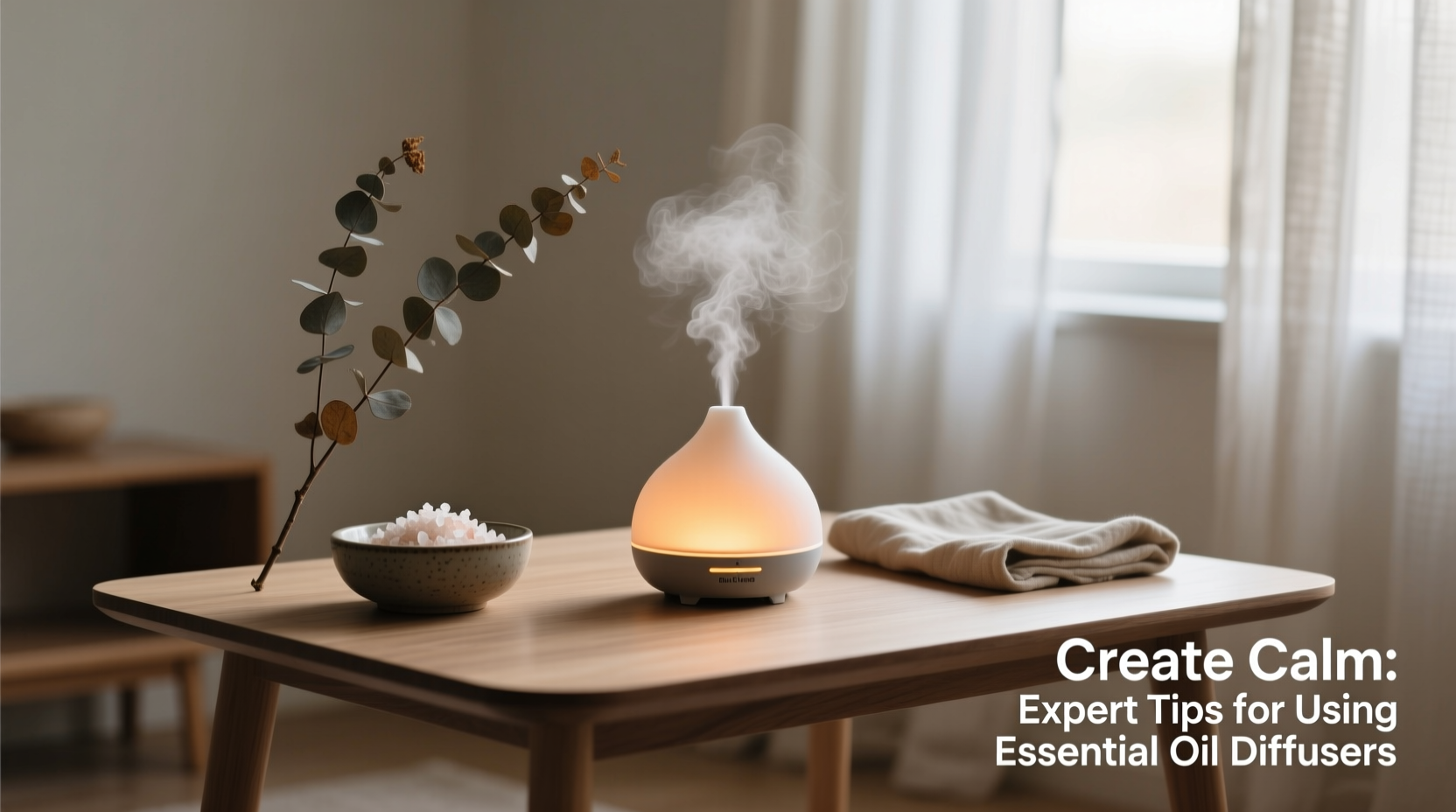
Aromatherapy leverages the olfactory system—the body’s direct pathway to the limbic system, which governs emotions, memory, and stress response. When inhaled, essential oil molecules interact with this network, influencing mood and physiological states. Studies have shown that certain scents, like lavender and bergamot, can reduce cortisol levels, slow heart rate, and promote alpha brain waves associated with relaxation.
Different oils produce different effects. For instance, citrus oils tend to uplift, while woodsy or herbal notes foster grounding. The key is selecting oils intentionally based on your desired outcome—whether it's unwinding after work, improving sleep quality, or creating a meditative ambiance.
“Scent is one of the most powerful yet underutilized tools in environmental psychology. A well-chosen aroma can shift the emotional tone of a room in minutes.” — Dr. Lena Torres, Neuroaffective Wellness Researcher
Choosing the Right Diffuser for Your Space
Not all diffusers are created equal. The type you choose impacts scent distribution, noise level, and oil integrity. Here’s a breakdown of common types:
| Type | How It Works | Best For | Drawbacks |
|---|---|---|---|
| Ultrasonic | Uses water and vibrations to disperse a fine mist | Bedrooms, living rooms; adds humidity | Requires regular cleaning; limited runtime |
| Nebulizing | Pulls oil through a glass atomizer without water | Therapeutic use; strong, pure scent | Louder; uses oil faster |
| Evaporative | Fan disperses scent from an absorbent pad | Small spaces; budget-friendly | Weaker diffusion; alters oil chemistry slightly |
| Heat | Warms oil to release fragrance | Decorative use; quiet operation | Can degrade delicate compounds in oils |
For a calming sanctuary, ultrasonic diffusers are often ideal—they operate quietly, double as humidifiers, and preserve the therapeutic properties of essential oils.
Step-by-Step Guide to Crafting Your Ideal Atmosphere
Creating a relaxing environment with essential oils isn’t random—it’s a deliberate process. Follow this sequence to maximize impact:
- Define the purpose of the space. Is it for sleep, meditation, or post-work decompression? This determines your oil selection.
- Choose 1–3 complementary oils. Start simple. Over-blending can create olfactory fatigue.
- Test concentration. Begin with 3–5 drops in your diffuser. You can increase gradually if needed.
- Set the timing. Run the diffuser for 30–60 minutes, then pause. Continuous diffusion may overwhelm the senses.
- Pair with ambient cues. Dim lights, soft textiles, and gentle sounds amplify the effect of the aroma.
- Observe and adjust. Notice how your mood and body respond. Refine your blend over time.
Top Essential Oils for Relaxation and How to Use Them
Certain oils stand out for their scientifically supported calming effects:
- Lavender: Proven to reduce anxiety and improve sleep onset. Ideal for bedrooms.
- Frankincense: Deeply grounding, often used in meditation practices to encourage slow, mindful breathing.
- Bergamot: Citrusy yet soothing, it elevates mood without overstimulating. Great for evening unwinding.
- Clary Sage: Helps regulate stress hormones and ease tension, particularly beneficial for hormonal fluctuations.
- Vetiver: Earthy and rich, excellent for those struggling with racing thoughts or insomnia.
Try this signature blend for deep relaxation:
Serenity Blend: 3 drops lavender, 2 drops frankincense, 1 drop bergamot. Diffuse 30 minutes before bedtime.
Mini Case Study: Transforming a Home Office into a Calm Retreat
Sarah, a project manager working remotely, found herself mentally drained by 4 p.m. daily. Her home office, though functional, felt sterile and overstimulating. After consulting an integrative wellness coach, she introduced an ultrasonic diffuser with a custom blend of clary sage and sweet orange (3:2 ratio), diffused for 45 minutes during her afternoon break.
Within a week, Sarah reported improved focus and reduced irritability. She paired the diffusion with lowering her desk lamp and playing low-frequency background music. “It became my reset ritual,” she said. “That half-hour shifted my entire evening.”
This case illustrates how scent, when integrated with behavioral cues, can retrain the brain to associate a space with restoration rather than stress.
Common Mistakes to Avoid
Even experienced users make errors that diminish results or pose risks. Stay clear of these pitfalls:
- Over-diffusing: More drops don’t mean better results. Excessive use can cause headaches or nausea.
- Ignoring maintenance: Stale oil residue clogs diffusers and contaminates new blends. Clean your device every 3–4 uses.
- Using near pets or infants: Some oils (e.g., eucalyptus, tea tree) are toxic to animals and young children. Always research safety first.
- Diffusing at night without a timer: Running all night can dry out sinuses or disrupt sleep cycles.
Essential Oil Safety Checklist
Ensure safe and effective use with this quick-reference checklist:
- ✅ Verify oil purity (look for botanical names on labels)
- ✅ Dilute properly if applying topically
- ✅ Keep oils out of reach of children and pets
- ✅ Ventilate the room periodically during long diffusion sessions
- ✅ Discontinue use if irritation occurs
- ✅ Consult a healthcare provider if pregnant or managing a chronic condition
FAQ
How often should I clean my diffuser?
Clean your diffuser every 3–4 uses or weekly if used daily. Use a soft brush and a mix of white vinegar and water to remove oil buildup and prevent mold.
Can I leave my diffuser on overnight?
It’s not recommended. Prolonged exposure can lead to respiratory irritation or desensitization to the scent. Use a timer to limit sessions to 30–60 minutes.
Are there oils I should avoid for relaxation?
Yes. Stimulating oils like peppermint, rosemary, and lemon are better suited for daytime. Avoid them in the evening unless blended in very small amounts with calming oils.
Final Thoughts: Design Your Sanctuary with Intention
A calm sanctuary isn’t built overnight—it’s shaped through consistent, mindful choices. Your essential oil diffuser is more than a decorative gadget; it’s a tool for emotional regulation and environmental design. By choosing oils with purpose, maintaining your equipment, and aligning scent with other sensory inputs, you create a holistic experience that supports well-being.
Start small. Pick one room. Select one calming blend. Commit to a nightly 30-minute diffusion ritual. Observe the subtle shifts in your mood and energy. Over time, these moments accumulate into a deeper sense of peace—one breath at a time.




 浙公网安备
33010002000092号
浙公网安备
33010002000092号 浙B2-20120091-4
Comments
No comments yet. Why don't you start the discussion?