
Gratitude is more than a polite gesture—it’s a powerful force that strengthens bonds, uplifts spirits, and deepens human connection. Yet, in a world of quick texts and generic “thanks,” many expressions of appreciation fall flat. To truly honor someone who has made a difference in your life, the act of thanking must go beyond routine courtesy. It should reflect sincerity, thoughtfulness, and emotional awareness. The most impactful expressions of gratitude are not just heard—they’re felt.
Whether it's a mentor who changed your path, a friend who stood by you during hardship, or a colleague who went the extra mile, a meaningful thank-you can transform a moment into a memory. The key lies in personalization, intentionality, and authenticity. When done right, gratitude becomes a gift in itself—one that both the giver and receiver carry forward.
Why Meaningful Gratitude Matters
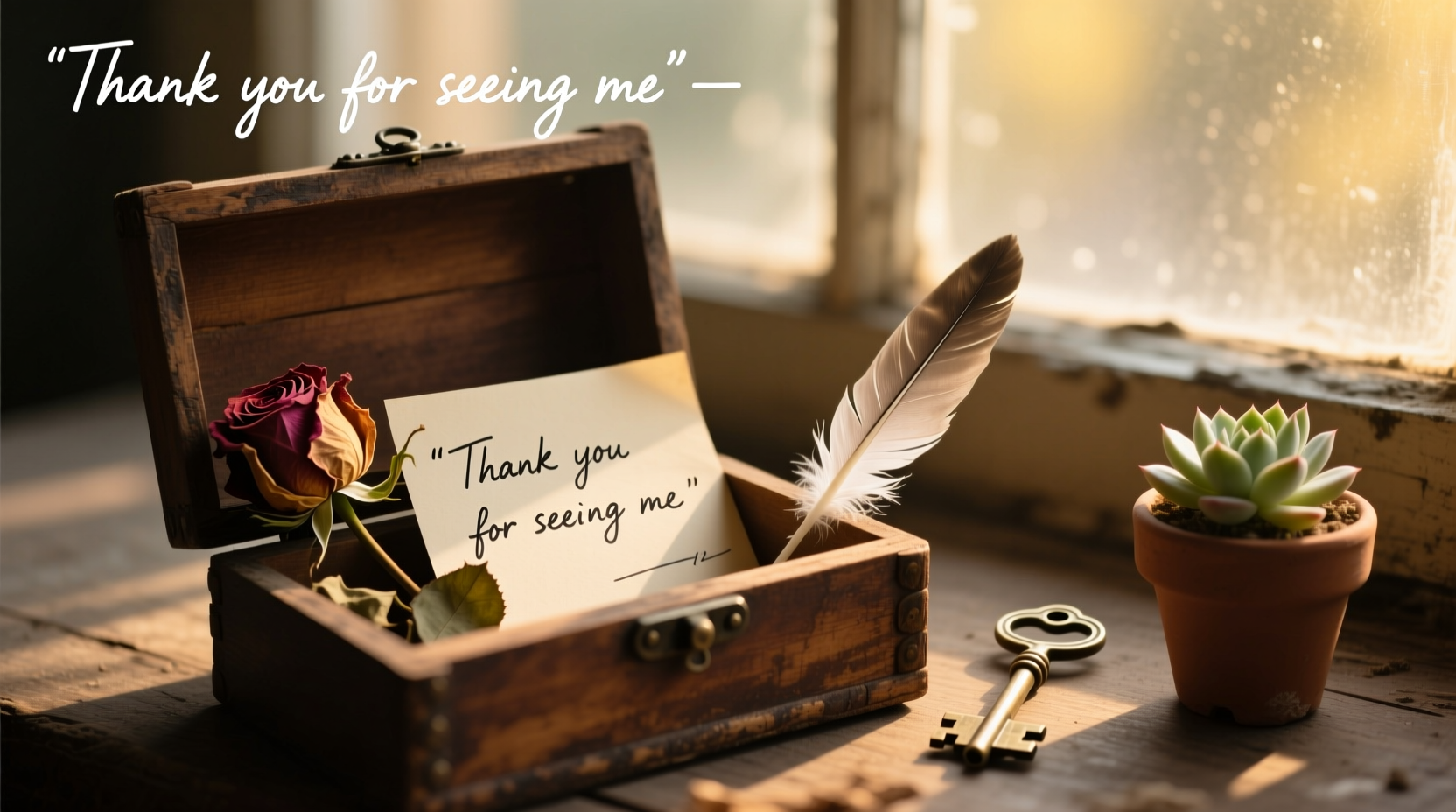
Research in positive psychology consistently shows that expressing gratitude improves mental well-being, enhances relationships, and fosters resilience. But not all gratitude is equally effective. A fleeting “got it, thanks” lacks the emotional weight of a carefully considered acknowledgment.
When gratitude is specific, personalized, and delivered with presence, it validates the recipient’s effort and affirms their value. This kind of recognition doesn’t just make someone feel good—it makes them feel seen. According to Dr. Robert Emmons, a leading gratitude researcher:
“Gratitude is not just saying ‘thank you.’ It’s affirming that we have received something valuable from another person, and that we recognize their role in our lives.” — Dr. Robert Emmons, Professor of Psychology, UC Davis
This shift—from transactional to relational appreciation—is what turns a simple thanks into something profound.
Personalized Handwritten Notes: The Timeless Touch
In an age dominated by digital communication, a handwritten note stands out as a rare and cherished artifact. Unlike emails or texts, which are often scanned and forgotten, a physical letter invites slow reading, re-reading, and preservation. The effort of writing by hand signals care in a way keystrokes cannot replicate.
To maximize its impact, structure your note around three elements: specificity, emotion, and future impact. Instead of “Thanks for helping me,” try: “Your advice during my job search didn’t just calm my nerves—it gave me the clarity to accept the right offer. I’ll always remember how you took time to review my materials at midnight.”
Creative Gestures That Reflect Their Personality
The most memorable acts of gratitude align with the recipient’s values, interests, or needs. A one-size-fits-all approach rarely resonates. Instead, tailor your gesture to reflect who they are.
- If they love books: Gift a favorite novel with marginal notes explaining why each passage reminded you of them.
- If they’re overwhelmed: Offer a “gratitude day” where you handle their chores—groceries, laundry, dog walking—so they can rest.
- If they value experiences: Plan a surprise outing—a picnic at their favorite park, tickets to a concert, or a sunrise hike.
The goal isn’t extravagance but resonance. A small gesture rooted in deep understanding speaks louder than any expensive gift.
A Real Example: Turning Gratitude Into Action
Sophie had been struggling with burnout when her manager, David, quietly adjusted her workload and covered several of her meetings. He never mentioned it again. Six weeks later, Sophie surprised him with a “Reverse Mentorship Lunch.” She prepared a short presentation on mindfulness tools she’d learned, framed as a thank-you: “You gave me space to recharge. Now, I want to give you tools to help others do the same.”
David later said it was one of the most meaningful acknowledgments of his career—not because of the lunch, but because Sophie mirrored his support back to him in a way that honored their shared values.
A Thoughtful Timeline: Building a Thank-You That Lasts
Some moments deserve immediate thanks. Others benefit from reflection and depth. Here’s a step-by-step guide to crafting a thank-you that unfolds over time:
- Day 1 – Acknowledge Promptly: Send a brief message: “I don’t have the words yet, but I want you to know your help meant everything.”
- Day 3–5 – Reflect and Write: Draft a detailed letter, focusing on how their action affected you emotionally and practically.
- Day 7 – Deliver with Intention: Hand-deliver the note or schedule a call to read it aloud.
- Month 1 – Follow Up: Share a result: “Because of your support, I was able to…” This closes the loop and shows lasting impact.
This timeline transforms gratitude from a single event into a narrative of appreciation.
Do’s and Don’ts of Expressing Deep Gratitude
| Do’s | Don’ts |
|---|---|
| Be specific about what they did and why it mattered | Use vague phrases like “you’re amazing” without context |
| Mention the emotional impact: “I felt seen/relieved/hopeful” | Focus only on outcomes (“it helped me get the job”) without acknowledging feelings |
| Deliver in their preferred way (private vs. public, spoken vs. written) | Surprise someone with a public speech if they dislike attention |
| Follow up weeks later to show lasting appreciation | Assume one “thank you” is enough for significant support |
Checklist: Crafting a Resonant Thank-You
Before delivering your message, use this checklist to ensure depth and authenticity:
- ✅ Identified the specific action or quality I’m grateful for
- ✅ Described how it impacted me emotionally and practically
- ✅ Chose a delivery method that respects their preferences
- ✅ Included a personal touch (handwriting, memory, inside joke)
- ✅ Planned a follow-up to reinforce long-term appreciation
Frequently Asked Questions
How do I thank someone without making them uncomfortable?
Keep the tone warm but balanced—focus on their actions, not exaggerated praise. Avoid putting them on a pedestal. Instead of “You’re a saint,” say, “I was really moved by how much time you took.” Deliver it privately if they’re modest, and let the moment breathe without demanding a response.
Is it okay to thank someone long after the fact?
Absolutely. Gratitude has no expiration date. In fact, delayed thanks can be more powerful because it shows reflection. Start with: “I’ve been thinking about what you did last year, and I realize I never properly thanked you…”
What if I can’t afford a gift?
A heartfelt message costs nothing but means everything. Combine words with effort: bake something, create a playlist of songs that remind you of them, or volunteer in their name. Thoughtfulness outweighs price tags every time.
Conclusion: Make Gratitude a Practice, Not an Event
Meaningful gratitude isn’t about perfection—it’s about presence. It’s choosing to pause, reflect, and express what matters. The most resonant thank-yous aren’t grand gestures; they’re honest, personal, and rooted in genuine recognition. They say, “I see you. I remember what you did. And it mattered.”
Start small. Write one letter this week. Speak up in a meeting. Follow up with someone who helped you months ago. These acts ripple outward, shaping a culture of appreciation in your relationships, workplace, and community.




 浙公网安备
33010002000092号
浙公网安备
33010002000092号 浙B2-20120091-4
Comments
No comments yet. Why don't you start the discussion?