
The iPhone 12 Pro and iPhone 11 Pro are separated by just one generation, but Apple’s design evolution between them was significant. One of the most talked-about changes? The screen. On paper, the jump from the 11 Pro to the 12 Pro seems modest — a half-inch increase in diagonal measurement. But does that translate into a meaningful difference in daily use? For users deciding between upgrading or buying used, understanding how screen size impacts usability, media consumption, and portability is essential.
This isn’t just about numbers. It’s about how the device feels in your hand, how content fills the display, and whether that extra space improves productivity or immersion. Let’s break down the actual differences and explore what they mean in real-world scenarios.
Display Specifications: Beyond the Numbers
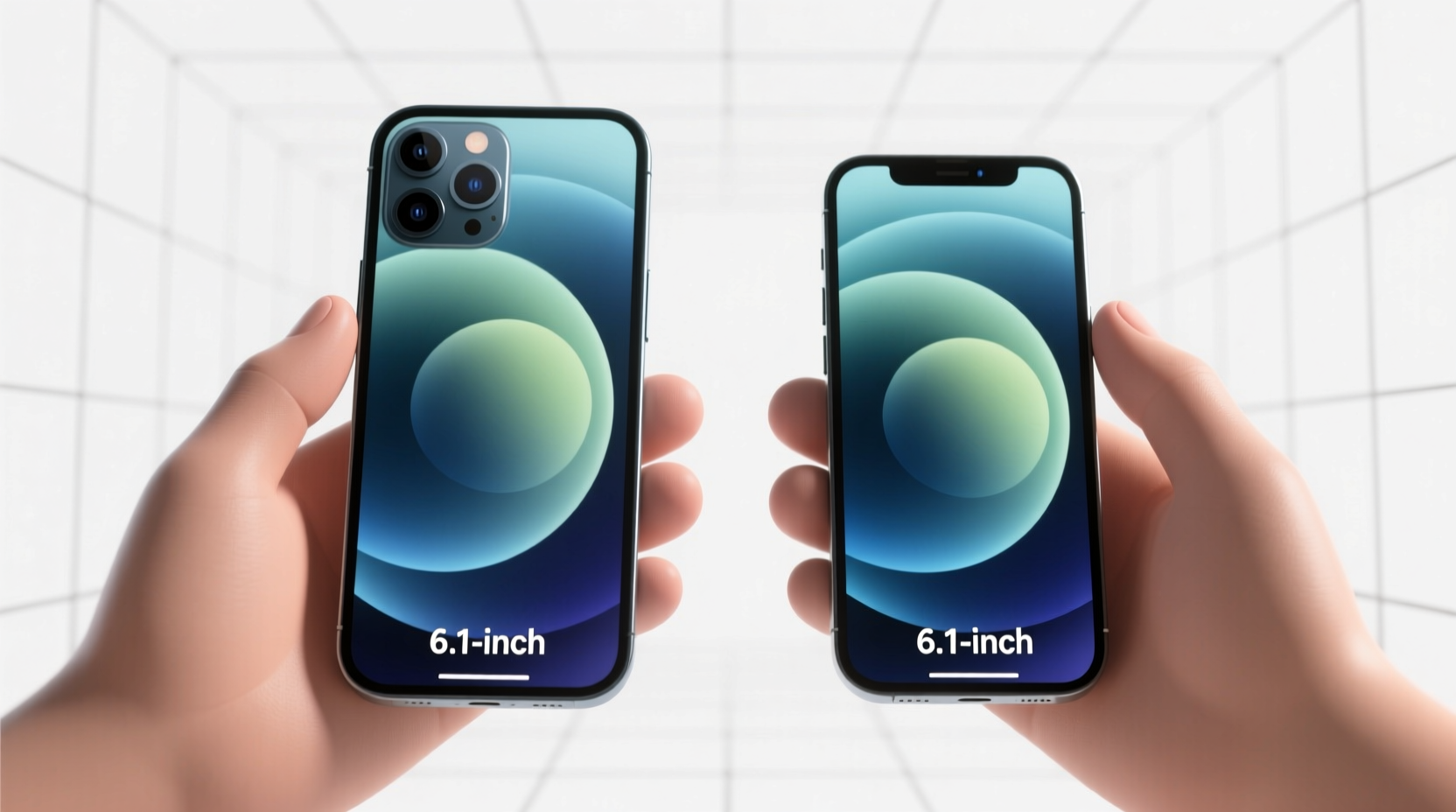
At first glance, the screen sizes appear similar:
- iPhone 11 Pro: 5.8-inch Super Retina XDR OLED display
- iPhone 12 Pro: 6.1-inch Super Retina XDR OLED display
That’s only a 0.3-inch increase — less than a tenth of a diagonal inch at first read. However, this small bump is amplified by changes in design. The iPhone 12 Pro features flatter edges, thinner bezels, and a more modern form factor, which allows for a larger screen in a chassis that doesn’t feel drastically bulkier.
The resolution remains nearly identical (2436 x 1125 on the 11 Pro vs. 2532 x 1170 on the 12 Pro), meaning pixel density is slightly higher on the newer model. Both support HDR, True Tone, and 1200 nits peak brightness, so visual quality is consistent across both devices. The real distinction lies not just in size, but in how Apple reengineered the front face to maximize screen real estate.
“Even a 0.3-inch screen increase can significantly affect readability and touch accuracy when paired with reduced bezels.” — David Lin, Mobile UX Analyst at TechInsight Group
Physical Design and Ergonomics
The shift from curved aluminum edges on the 11 Pro to flat stainless steel edges on the 12 Pro alters how the phone sits in your hand. Despite the larger screen, the 12 Pro is only 0.4mm thinner and 18g heavier (189g vs. 188g). Width increases slightly — from 70.9mm to 71.5mm — but the height grows more noticeably, from 144mm to 146.7mm.
In practice, the 12 Pro feels more rectangular and easier to grip firmly, while the 11 Pro has a slightly more compact, rounded profile. Users with smaller hands may find the 11 Pro more comfortable for one-handed use, though the taller aspect ratio of the 12 Pro makes scrolling through feeds or documents feel smoother.
Screen Real Estate Comparison
To understand how much more content fits on the 12 Pro, consider practical examples:
- Emails show an extra line or two of preview text.
- Web pages render slightly more content above the fold.
- Video playback uses more vertical space, reducing black bars on widescreen content.
- Apps like Notes, Messages, and Safari benefit from additional visible lines.
While not revolutionary, these marginal gains add up during extended use. Gamers and media consumers will appreciate the expanded viewing area, especially when watching shows in portrait mode or playing games with complex UIs.
| Feature | iPhone 11 Pro | iPhone 12 Pro |
|---|---|---|
| Screen Size (diagonal) | 5.8 inches | 6.1 inches |
| Resolution | 2436 x 1125 | 2532 x 1170 |
| PPI (Pixels Per Inch) | 458 | 460 |
| Bezel Thickness | Thicker curved edges | Narrower, flat-edge design |
| Aspect Ratio | 19.5:9 | 19.5:9 |
| Display Technology | OLED, HDR, True Tone | OLED, HDR, True Tone, Ceramic Shield |
Note the addition of Ceramic Shield on the 12 Pro — a major durability upgrade that improves drop resistance without affecting screen clarity. This innovation enhances the longevity of the display experience, even if the size difference alone doesn’t justify an upgrade for all users.
Real-World Example: Daily Use Scenarios
Consider Sarah, a freelance photographer who used her iPhone 11 Pro for three years before upgrading to the 12 Pro. She initially doubted whether the screen change would matter. After using both side-by-side for editing photos in Lightroom Mobile, she noticed subtle but impactful differences.
On the 12 Pro, the larger canvas allowed her to see more of the histogram and adjustment panels simultaneously. Zooming into image details felt less cramped, and toggling between tools required fewer taps due to better spacing. While the core functionality remained the same, the enhanced screen real estate improved workflow efficiency — particularly during outdoor shoots where quick edits were necessary.
She also found video calls on FaceTime more immersive. With the 12 Pro, participants appeared slightly larger and clearer, reducing eye strain during long meetings. For someone relying on her phone as a primary work tool, these refinements justified the upgrade — not because of screen size alone, but because of how it integrated with overall performance and durability.
Is the Difference Noticeable?
The answer depends on usage patterns. Casual users checking messages, browsing social media, and taking occasional photos may not perceive a dramatic shift. The interface scales similarly, apps behave identically, and content layout adjusts seamlessly.
However, power users — those editing media, multitasking, reading long articles, or using navigation extensively — are more likely to appreciate the incremental gains. The combination of a larger screen, brighter display, and improved glass makes the 12 Pro feel like a tangible step forward, even within the same size class.
It’s also worth noting that Apple marketed the 12 series as a “redesigned” lineup. The screen change wasn’t isolated; it was part of a broader shift toward maximizing display area while maintaining pocketability. Compared to the 11 Pro’s slightly bulkier forehead and chin, the 12 Pro achieves a more balanced, modern look that aligns with current smartphone trends.
Frequently Asked Questions
Does the iPhone 12 Pro have a better screen than the 11 Pro?
Yes, technically. While both feature OLED Super Retina XDR displays with excellent color accuracy and contrast, the 12 Pro adds Ceramic Shield front cover, which improves durability and scratch resistance. It also has a slightly higher resolution and marginally brighter panel under certain conditions.
Can I feel the screen size difference holding both phones?
Most users report noticing the difference immediately when placing the devices side by side. The 12 Pro looks visibly taller and less bezel-heavy. In single-hand use, the 11 Pro may still feel more compact, but the 12 Pro’s flat edges provide better grip control despite the size increase.
Is the screen upgrade worth upgrading from the 11 Pro to the 12 Pro?
If screen size is your only consideration, probably not. But combined with improved durability, better low-light performance, 5G connectivity, and A14 Bionic chip efficiency, the package becomes compelling. For users prioritizing display longevity and future-proofing, the 12 Pro offers a more resilient and slightly more capable screen experience.
Action Checklist: Evaluating Your Upgrade Needs
Before deciding whether the screen difference matters to you, go through this checklist:
- Assess your current phone’s condition — is the screen cracked or dimming?
- Determine how often you consume media or edit content on your phone.
- Try holding both models in person to evaluate comfort and reachability.
- Consider whether Ceramic Shield’s durability is valuable for your lifestyle.
- Evaluate battery life and app performance — these often matter more than screen size alone.
- Check resale value — trading in a 11 Pro now might offset the cost of a 12 Pro.
Final Thoughts
The screen size difference between the iPhone 12 Pro and iPhone 11 Pro is modest on paper but meaningful in context. It’s not just about being “bigger” — it’s about smarter design, improved materials, and a more immersive user experience. When paired with advancements like Ceramic Shield and optimized rendering, the 6.1-inch display on the 12 Pro represents a thoughtful evolution rather than a radical leap.
For users still debating, remember: screen size is just one piece of the puzzle. How you interact with your device — whether for creativity, communication, or convenience — ultimately determines what “better” means. If you value every extra millimeter of usable space and stronger build quality, the 12 Pro delivers. If your needs are met by the 11 Pro’s proven performance, there’s no urgent reason to switch.




 浙公网安备
33010002000092号
浙公网安备
33010002000092号 浙B2-20120091-4
Comments
No comments yet. Why don't you start the discussion?