
Wrapping clothes in tissue paper is more than a simple protective measure—it’s an art that combines elegance, preservation, and thoughtful presentation. Whether you're preparing a gift, organizing your wardrobe, or packing for travel, the right technique ensures garments remain wrinkle-free, fresh-smelling, and visually appealing. While many view tissue paper as just a filler, mastering its use can elevate how you store, transport, and present clothing. This guide reveals proven methods, insider tips, and expert-backed strategies to help you wrap clothes flawlessly—every single time.
The Purpose of Tissue Paper Beyond Packaging
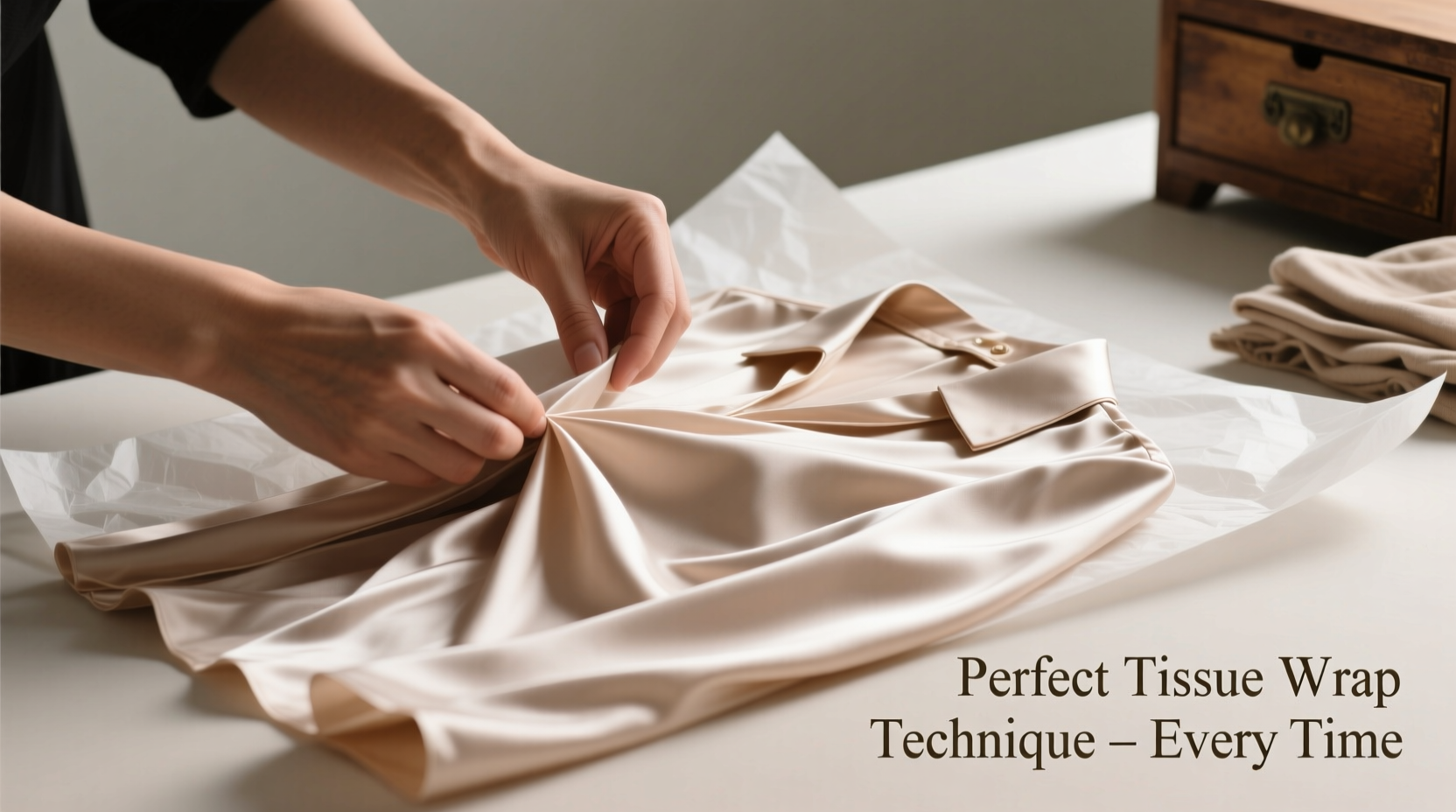
Tissue paper does far more than fill empty space. When used correctly, it acts as a barrier against moisture, dust, and friction—three major causes of fabric deterioration. It also absorbs residual odors and prevents color transfer between garments stored together. High-end retailers like Nordstrom and Saks have long used tissue wrapping not just for aesthetic appeal but for garment longevity. The soft cushioning reduces creasing in delicate fabrics such as silk, chiffon, and fine cotton, preserving drape and structure over time.
“Tissue paper isn’t just decorative—it’s functional preservation. Properly wrapped clothing lasts longer and looks better when unwrapped.” — Lila Chen, Textile Archivist & Museum Conservator
Choosing the Right Type of Tissue Paper
Not all tissue paper is created equal. Selecting the appropriate kind depends on your goal: gifting, seasonal storage, or travel protection.
| Type of Tissue Paper | Best For | Avoid Using With |
|---|---|---|
| Acid-Free Tissue | Long-term storage, delicate fabrics, heirlooms | Brightly colored prints (may bleed if damp) |
| Scented Tissue (e.g., lavender, cedar) | Drawers, closets, linen storage | Silk or leather (fragrance oils may stain) |
| Colored or Printed Tissue | Gifting, visual appeal | Fine whites or light neutrals (risk of dye transfer) |
| Uncoated White Tissue | Everyday folding, travel packing | Garments prone to static (can cling) |
For eco-conscious users, consider recycled-content or compostable tissue papers. These perform nearly as well as traditional options while reducing environmental impact.
Step-by-Step Guide: Perfectly Wrap Any Garment
The following method works universally across shirts, dresses, pants, and blouses. It minimizes wrinkles, protects seams, and keeps folds crisp during transit or storage.
- Prepare Your Workspace: Lay out a clean, flat surface. Have at least two full sheets of tissue paper ready per garment (larger items may require three).
- Smooth the Garment: Lay the clothing item face-down on the table. Button buttons, zip zippers, and align collars and cuffs symmetrically.
- Layer the Base Sheet: Place one full sheet of tissue paper underneath the garment, ensuring full coverage from shoulders to hem.
- Cover the Top: Drape a second sheet over the front. Gently press down to eliminate air pockets without crushing fabric texture.
- Roll or Fold Method (Choose Based on Fabric):
- Rolling: Ideal for knits, t-shirts, and casual wear. Starting from the bottom hem, gently roll upward like a sleeping bag. This reduces stress on shoulders and prevents horizontal creases.
- Folding: Best for structured pieces like dress shirts or blazers. Fold sleeves inward first, then fold vertically in thirds. Insert extra tissue between folds to absorb pressure.
- Seal and Label (Optional): For gifts or organized storage, secure the bundle with a satin ribbon or twine. Add a small tag noting the item type or occasion.
Real Example: Wrapping a Silk Blouse for a Gift
Maria was sending her sister a birthday gift—a pale peach silk blouse from a boutique. She wanted it to arrive pristine, not crushed in a box. Instead of folding loosely, she laid the blouse flat, inserted acid-free tissue inside the sleeves and body, then rolled it gently from the hem upward. She wrapped the roll in rose-pink tissue paper, tied it with gold cord, and added a handwritten note. Her sister opened the package days later and said it looked “like it came straight from the store.” No wrinkles, no snags—just elegance preserved through careful wrapping.
Advanced Techniques for Special Garments
Different fabrics demand tailored approaches. Here are specialized methods for common challenges:
- Wool Sweaters: Fold loosely with generous tissue between layers to avoid stretching. Never hang wool after wrapping, as gravity distorts shape.
- Lace or Embellished Items: Use multiple thin layers of tissue to cushion beads and sequins. Wrap each sleeve separately before combining.
- Pants and Skirts: Fold lengthwise along the center seam. Insert a full sheet inside to separate front and back panels, preventing imprint marks.
- Dresses with Trains: Roll from the hem up to the waist, inserting tissue every few inches to maintain volume and prevent deep creases in delicate tulle or satin.
“With bridal gowns, we always interleave every layer with archival tissue. It maintains puffiness and prevents permanent fold lines.” — Daniel Reyes, Preservation Specialist, Heritage Textile Studio
Checklist: Master Your Tissue-Wrapping Routine
Use this checklist before wrapping any garment to ensure consistency and quality:
- ☐ Choose the correct tissue type (acid-free, scented, colored, etc.)
- ☐ Clean and dry the garment completely before wrapping
- ☐ Button, zip, or fasten closures to maintain natural shape
- ☐ Use enough tissue to fully cover and cushion the item
- ☐ Apply rolling or folding method based on fabric type
- ☐ Store wrapped items upright or flat—never stacked under heavy objects
- ☐ Label if used for organization or gifting
Frequently Asked Questions
Can I reuse tissue paper for wrapping clothes?
Yes, if it's clean, unwrinkled, and free of stains or perfume residue. Reuse unprinted white tissue for non-gift purposes like drawer organization. Avoid reusing colored or scented tissue due to potential dye transfer or lingering fragrance.
How long can clothes stay wrapped in tissue paper?
Indefinitely, provided the environment is cool, dry, and dark. Acid-free tissue allows safe long-term storage (5+ years). Regular tissue should be replaced every 12–18 months, especially in humid climates, to prevent brittleness or mildew.
Does tissue paper prevent moths?
Not directly—but scented tissues infused with cedar, lavender, or cloves act as natural deterrents. Pair tissue wrapping with breathable cotton storage bags and regular airing for best pest prevention.
Final Thoughts: Elevate Your Wardrobe Care
Perfectly wrapping clothes in tissue paper is a small act with lasting impact. It reflects care—for the garment, the recipient, and the details that define quality living. Whether you're preserving a favorite sweater for next season or presenting a thoughtfully chosen gift, the precision of your wrapping speaks volumes. These techniques aren’t reserved for professionals; they’re accessible, practical, and immediately effective.




 浙公网安备
33010002000092号
浙公网安备
33010002000092号 浙B2-20120091-4
Comments
No comments yet. Why don't you start the discussion?