
Carrying a handbag or backpack every day means you want quick access to essentials—especially your keys. Yet, tossing them inside often leads to frustrating searches at the bottom of your bag. Attaching a keychain directly to your purse offers convenience, but doing it poorly can damage materials, weaken stitching, or look unattractive. The solution lies in combining creativity with security. With the right method, you can keep your keys accessible, your bag intact, and your style sharp.
Why Secure Keychain Attachment Matters
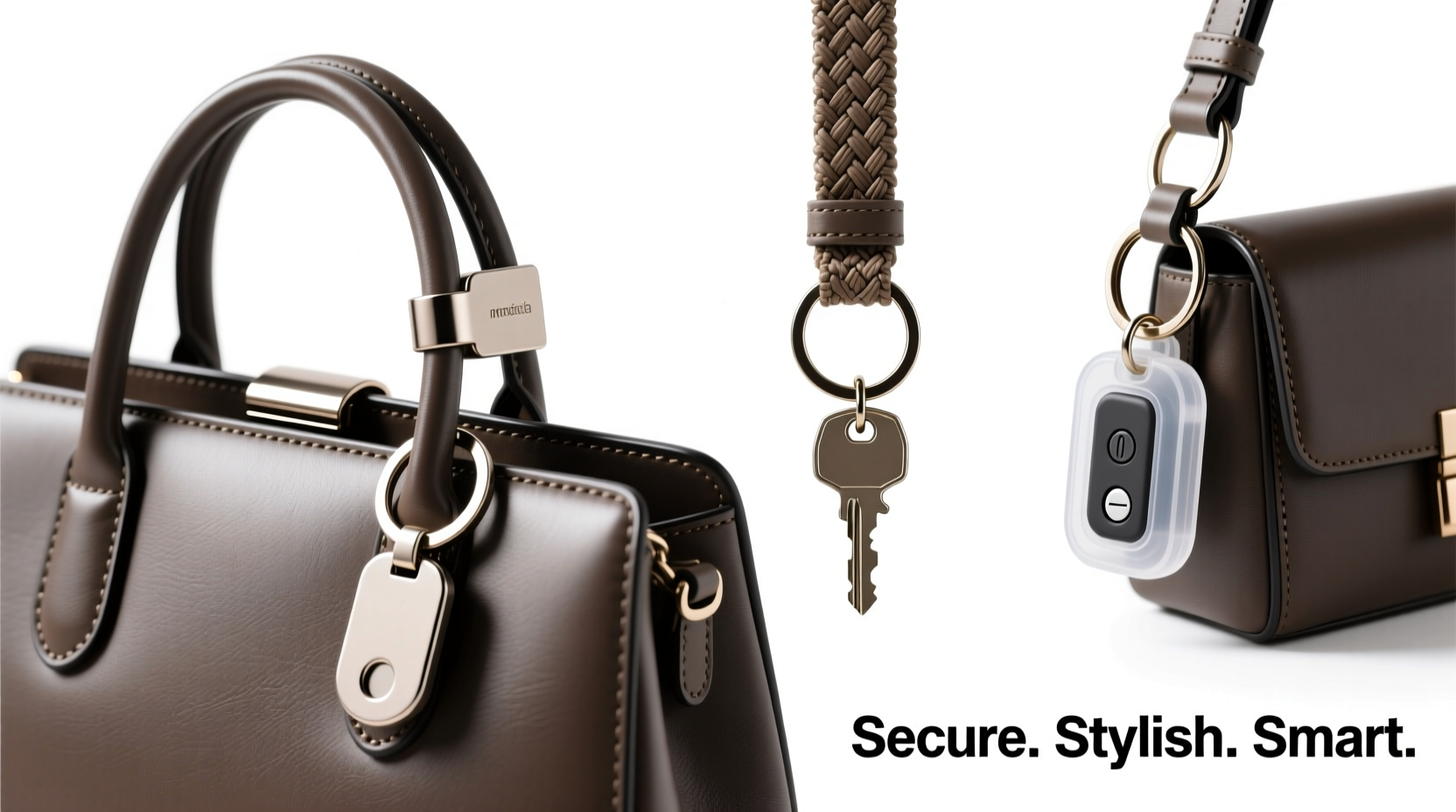
A loose keychain rattling inside your bag isn’t just annoying—it can scratch delicate linings, damage leather, or even snag on zippers and pockets. Worse, if keys aren’t secured properly, they can fall out when you open your bag in public. A well-attached keychain eliminates these risks while enhancing functionality. It also adds a personalized touch: whether it’s a minimalist metal ring or a colorful charm, how you attach it reflects both taste and practicality.
The goal is to find attachment methods that are durable, reversible (if needed), and compatible with various bag materials—from vegan leather to canvas, nylon to silk-lined clutches.
Creative & Secure Attachment Methods
Not all keychains are meant to dangle freely. Some require clever engineering to stay put without harming your bag. Below are five proven techniques, each suited to different bag types and user preferences.
1. Swivel Snap Hooks with Silicone Grip
These small, spring-loaded hooks have become a favorite among frequent travelers and urban commuters. Modern versions come with silicone-coated jaws that grip tightly without scratching hardware or fabric. Simply clip the hook onto a D-ring, zipper pull, or strap junction.
- Ideal for: Crossbody bags, backpacks, tote bags with metal loops
- Pros: Instant access, no modification to the bag
- Cons: May loosen over time if not high-quality
2. Key Leash with Riveted Loop
For permanent integration, consider installing a small brass or nickel loop near the top interior or exterior flap using a professional rivet. Attach a short leather or woven leash with a lobster clasp. This method keeps keys within reach and prevents them from swinging excessively.
“Riveting a dedicated anchor point is one of the cleanest, longest-lasting solutions—especially for structured leather bags.” — Marcus Tran, Bag Designer & Craftsmanship Instructor
3. Magnetic Key Holder Inserts
Hidden inside the bag, magnetic key holders use strong neodymium magnets embedded in a slim leather or felt sleeve. Slide your keys into the holder; the magnet keeps them securely in place. Retrieve them quickly by reaching in and pulling them out with a satisfying snap.
This method is ideal for those who dislike dangling accessories but still want organization. It works best in bags with firm side walls or compartments.
4. Beaded Chain + Jump Ring Integration
Add elegance and function with a beaded chain made of lightweight metals or acrylic beads. Use a jump ring to connect one end to a zipper pull or D-ring. The other end attaches to your keyring via a lobster clasp. Choose chains with weight distribution so they don’t drag down straps.
This approach turns utility into artistry. Designers like Clare Vivier and Polène have used similar details in their collections, proving that function and fashion coexist beautifully.
5. Elastic Lanyard with Concealed Clip
An elastic cord threaded through a discreet eyelet or seam tunnel allows keys to extend when pulled and retract automatically. One end clips inside the bag (onto a lining loop or internal pocket edge), while the other holds the keyring. When not in use, the lanyard stays hidden.
Perfect for minimalist purses or professional work bags where visible hardware clashes with aesthetics.
Step-by-Step Guide: Installing a Discreet Key Leash
If you’re ready to upgrade your bag with a built-in key system, follow this timeline-tested process for adding a riveted key leash:
- Choose the location: Pick a spot near the top interior edge or outer flap where access is easy but visibility is low.
- Select components: Get a 6–8mm brass grommet or split ring, a 6-inch leather or nylon strap, and a lobster clasp.
- Mark and punch: Use a hole punch to create two aligned holes through the bag’s material (use a backing board to prevent tearing).
- Install the ring: Insert the split ring through the holes and expand it fully using pliers.
- Attach the leash: Connect one end of the strap to the ring, then secure the lobster clasp to the other end.
- Test movement: Clip your keys and ensure smooth extension and retraction without snagging.
This installation takes under 15 minutes and lasts years. For non-leather bags, consider adhesive-backed metal loops as a no-drill alternative.
Do’s and Don’ts: Keychain Attachment Table
| Do’s | Don’ts |
|---|---|
| Use soft-coated clips to protect finishes | Attach heavy keychains to flimsy fabric handles |
| Opt for lightweight, balanced designs | Thread keys through decorative tassels or fringes |
| Check attachment points monthly for wear | Use super glue or permanent adhesives on luxury bags |
| Match metal tones to your bag’s hardware | Allow long chains to wrap around zippers |
| Remove keychains during travel storage | Ignore signs of fraying or stress on straps |
Real Example: How Sarah Fixed Her Daily Frustration
Sarah, a freelance graphic designer based in Portland, carried a sleek black satchel daily. Every morning, she wasted time digging for her house and car keys. After misplacing them twice in one week, she decided to act. She purchased a matte silver swivel snap hook with rubberized grips and attached it to her bag’s front D-ring. Then, she linked a compact titanium key organizer to the hook.
The change was immediate. Keys stayed visible and secure. Even better, the setup survived rain, coffee spills, and being tossed into bike baskets. Six months later, neither the hook nor the bag showed signs of strain. “It’s the smallest upgrade,” she said, “but it changed my whole routine.”
Frequently Asked Questions
Can I attach a keychain to a silk or satin bag?
Yes, but avoid direct clipping. Instead, use an internal magnetic holder or a removable ribbon lanyard tied gently to the handle. These preserve delicate textures and prevent snags.
Will a keychain damage my bag’s stitching over time?
Potentially, if the weight pulls consistently on weak seams. Distribute load by attaching to reinforced areas like D-rings or belt loops. Limit keychain weight to under 4 ounces for everyday bags.
Are there stylish alternatives to bulky keyrings?
Absolutely. Consider minimalist key covers, foldable smart keys, or stackable keycaps in matching colors. Pair them with slim chains or woven cords for a polished look.
Checklist: Secure Keychain Setup
- ☐ Assess your bag’s structure and hardware strength
- ☐ Choose a keychain style that matches your lifestyle (e.g., travel, office, casual)
- ☐ Select an attachment method that suits the material (leather, fabric, synthetic)
- ☐ Test stability by gently tugging the keychain
- ☐ Inspect monthly for signs of wear or loosening
- ☐ Remove during long-term storage to reduce tension on straps
Final Thoughts: Function Meets Personal Style
Attaching a keychain to your purse isn’t just about convenience—it’s a small act of intentionality. Whether you prefer subtle integration or bold statement pieces, the right method enhances both usability and aesthetic harmony. By choosing secure, thoughtful attachment styles, you protect your investment in quality bags while streamlining your daily rhythm.




 浙公网安备
33010002000092号
浙公网安备
33010002000092号 浙B2-20120091-4
Comments
No comments yet. Why don't you start the discussion?