
A well-organized closet begins with thoughtful storage—not just for clothes, but for the tools that help keep them in place. Clothes hooks, though small, can easily contribute to visual clutter if not stored properly. Whether you use over-the-door hooks, adhesive wall mounts, or portable hanging organizers, keeping these accessories organized ensures they’re ready when needed and don’t add to the mess. The key is integrating smart, compact storage methods that enhance accessibility while preserving valuable space.
Modern living often means limited square footage, especially in urban homes or multifunctional rooms. In such environments, every inch counts. By rethinking how and where you store your clothes hooks, you can maintain a clean aesthetic, reduce visual noise, and improve daily efficiency. From hidden compartments to modular systems, the following strategies blend practicality with innovation to deliver a truly clutter-free experience.
1. Use Under-Cabinet or Shelf-Mounted Hook Holders
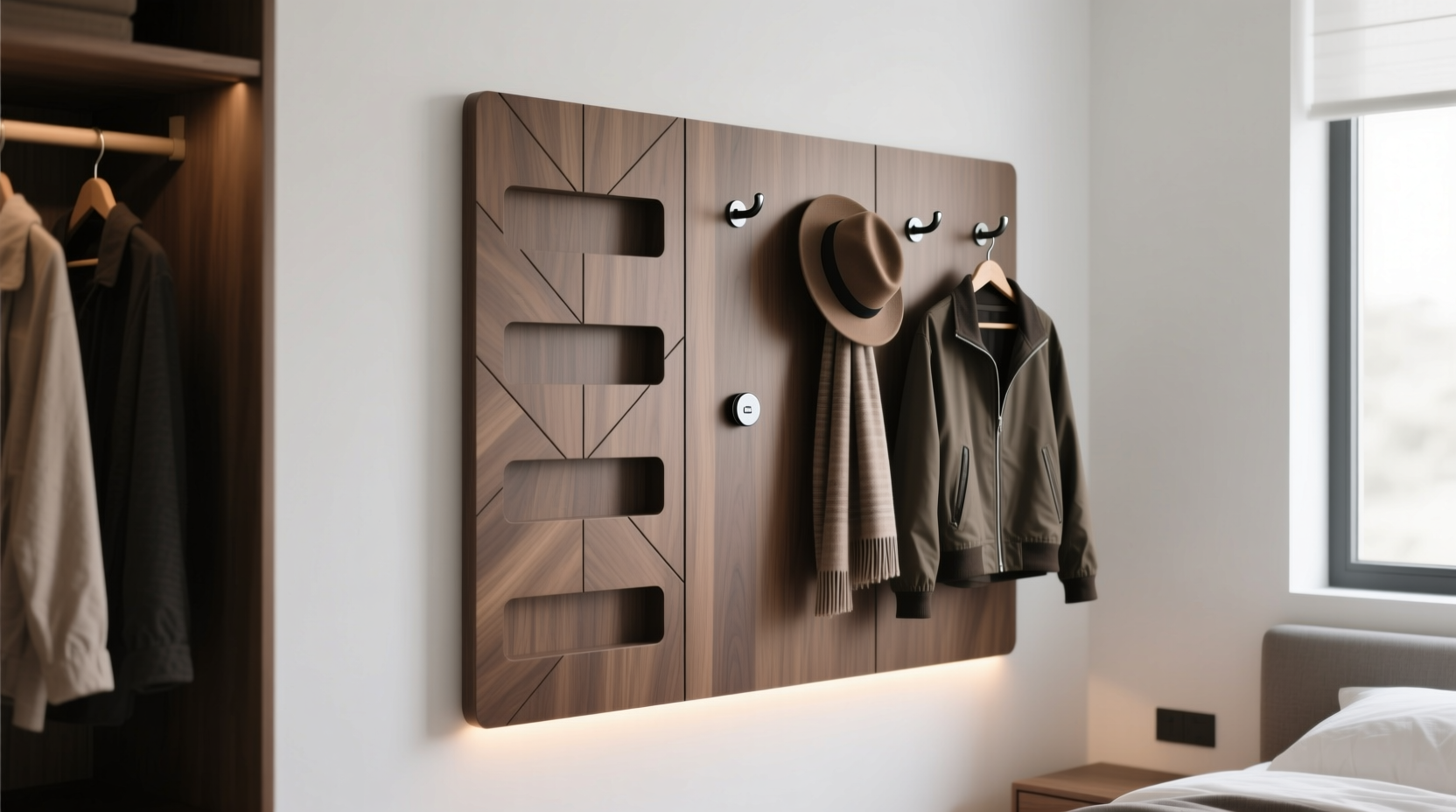
Maximizing vertical and underutilized spaces within the closet is one of the most effective ways to store extra hooks. Installing narrow wooden or metal trays underneath existing shelves keeps hooks neatly contained and out of sight. These holders function like drawer dividers but are open-fronted, allowing quick access.
For DIY enthusiasts, repurposing an old silverware organizer or small mesh basket can serve as a low-cost solution. Secure it beneath a shelf using L-brackets or adhesive strips rated for heavy loads. This method works especially well in reach-in closets where floor space is at a premium.
2. Integrate Hooks into Existing Storage Systems
Rather than treating hooks as standalone items, integrate them into your current closet infrastructure. Many modular closet systems, such as IKEA PAX or Elfa, offer customizable components that include dedicated accessory bins or pull-out baskets designed for small hardware.
Consider adding a shallow bin on a closet rod divider or beside shoe shelves to stash spare hooks. If your system includes a fold-down ironing board or pull-out valet rod, utilize the back panel or side rails to mount a small magnetic strip or pegboard section for metal or plastic hooks.
| Storage Method | Best For | Space Efficiency |
|---|---|---|
| Under-shelf tray | Reach-in closets | ★★★★☆ |
| Pegboard panel | Walk-in closets | ★★★★★ |
| Magnetic strip | Metal hooks only | ★★★☆☆ |
| Hanging organizer pocket | Doors or rods | ★★★★☆ |
3. Repurpose Everyday Items for Hook Storage
Not all storage solutions require a trip to the hardware store. Common household objects can be creatively adapted to hold clothes hooks. A cutlery tray in a disused drawer, a spice rack mounted inside the closet door, or even a shower caddy hung from a closet rod can serve as functional repositories.
For example, a wire basket originally intended for bathroom toiletries can be clipped onto a closet rail to hold S-hooks and clip-on hangers. Similarly, an old belt loop organizer—designed to hang ties or scarves—can double as a compact station for lightweight hooks.
“Organization isn’t about buying more—it’s about seeing potential in what you already have.” — Lena Torres, Interior Organization Consultant
4. Build a Custom Pull-Out Drawer for Accessories
If you frequently use various types of hooks—such as robe hooks, luggage hooks, or multi-tier hangers—a dedicated drawer offers both concealment and order. Even in smaller closets, a slim 3–4 inch deep drawer can be installed beside the main hanging section or below folded clothing shelves.
This drawer can be divided using cardboard dividers, foam inserts, or 3D-printed organizers tailored to specific hook shapes. Velvet lining prevents scratching and adds a touch of luxury. When closed, the drawer maintains a seamless look; when opened, everything is visible and within reach.
Step-by-Step: Creating a Slim Hook Drawer
- Measure available vertical space beside or beneath existing shelving.
- Select a pre-made slim drawer unit (available in 2”–6” depths) or build one using plywood.
- Add soft-close glides for smooth operation and noise reduction.
- Line interior with felt or thin foam to protect hook finishes.
- Label front edge (optional): “Closet Hooks” or “Hanger Station”.
- Install and begin organizing by hook type or frequency of use.
5. Utilize Door and Wall Space Strategically
The back of the closet door or adjacent walls are often overlooked real estate. Instead of letting them go to waste, install a minimalist rail, adhesive hook strip, or recessed niche to store hooks when not in use.
Adhesive-backed magnetic strips work well for metal hooks and can be removed without damage. Alternatively, a narrow wooden dowel mounted horizontally allows hooks to hang by their necks, preventing tangling. For deeper walls, consider a recessed box frame covered with a flush door—essentially a hidden compartment for all small closet tools.
Mini Case Study: Urban Apartment Closet Upgrade
Sophie, a graphic designer living in a 500-square-foot studio in Brooklyn, struggled with a cramped reach-in closet. Her collection of clip-on scarves, belt hangers, and travel hooks often spilled onto the floor. After measuring her space, she installed a $12 tension rod inside the door and hung a fabric shoe organizer with clear pockets. Each pocket now holds a different hook type, labeled with removable tags. She also mounted a small corkboard on the side wall for temporary “in-use” hooks. Within a weekend, her closet transitioned from chaotic to streamlined—proving that effective storage doesn’t require major renovations.
Checklist: Optimize Your Hook Storage in 7 Steps
- Inventory all types of clothes hooks you own.
- Categorize them by size, material, and usage frequency.
- Identify unused spaces: under shelves, doors, side walls.
- Choose 1–2 storage methods that fit your closet layout.
- Gather materials (trays, baskets, adhesives, etc.).
- Install and organize hooks by category.
- Review monthly and adjust based on usage patterns.
Frequently Asked Questions
Can I store adhesive hooks without damaging their stickiness?
Yes. Store adhesive-backed hooks in their original packaging or cover the sticky side with wax paper or plastic wrap. Keep them in a cool, dry place away from dust to preserve effectiveness.
How do I prevent hooks from getting tangled?
Use individual compartments, hang them on a dowel or pegboard, or group similar types together in labeled containers. Avoid tossing them loosely into drawers or bins.
Are there child-safe ways to store hooks?
Absolutely. Store hooks in locked drawers or high-mounted containers if young children are present. Choose rounded, non-metallic hooks when possible, and ensure wall-mounted storage is securely fastened to studs.
Final Thoughts: Small Changes, Big Impact
Storing clothes hooks may seem like a minor detail, but it plays a significant role in maintaining a serene, functional closet. When accessories are out of sight and organized, the entire space feels more intentional and less chaotic. The solutions outlined here—from repurposed trays to custom drawers—are accessible, affordable, and adaptable to nearly any space.
Start small: pick one underused area in your closet and implement a single storage hack this week. Once you see the difference it makes, you’ll be inspired to refine the rest. A clutter-free closet isn’t achieved overnight, but with consistent, thoughtful choices, it becomes a sustainable reality.




 浙公网安备
33010002000092号
浙公网安备
33010002000092号 浙B2-20120091-4
Comments
No comments yet. Why don't you start the discussion?