
Drying clothes efficiently without relying solely on electric dryers is not only cost-effective but also environmentally responsible. In many households, especially in regions with high humidity or limited access to electricity, a reliable alternative drying method can make a significant difference. This guide walks through the process of building a highly functional, space-efficient, and energy-saving homemade clothes dryer using accessible materials. Whether you're living off-grid, aiming to reduce utility bills, or simply enjoy hands-on projects, this system delivers consistent results for everyday laundry needs.
Why Build a Homemade Clothes Dryer?
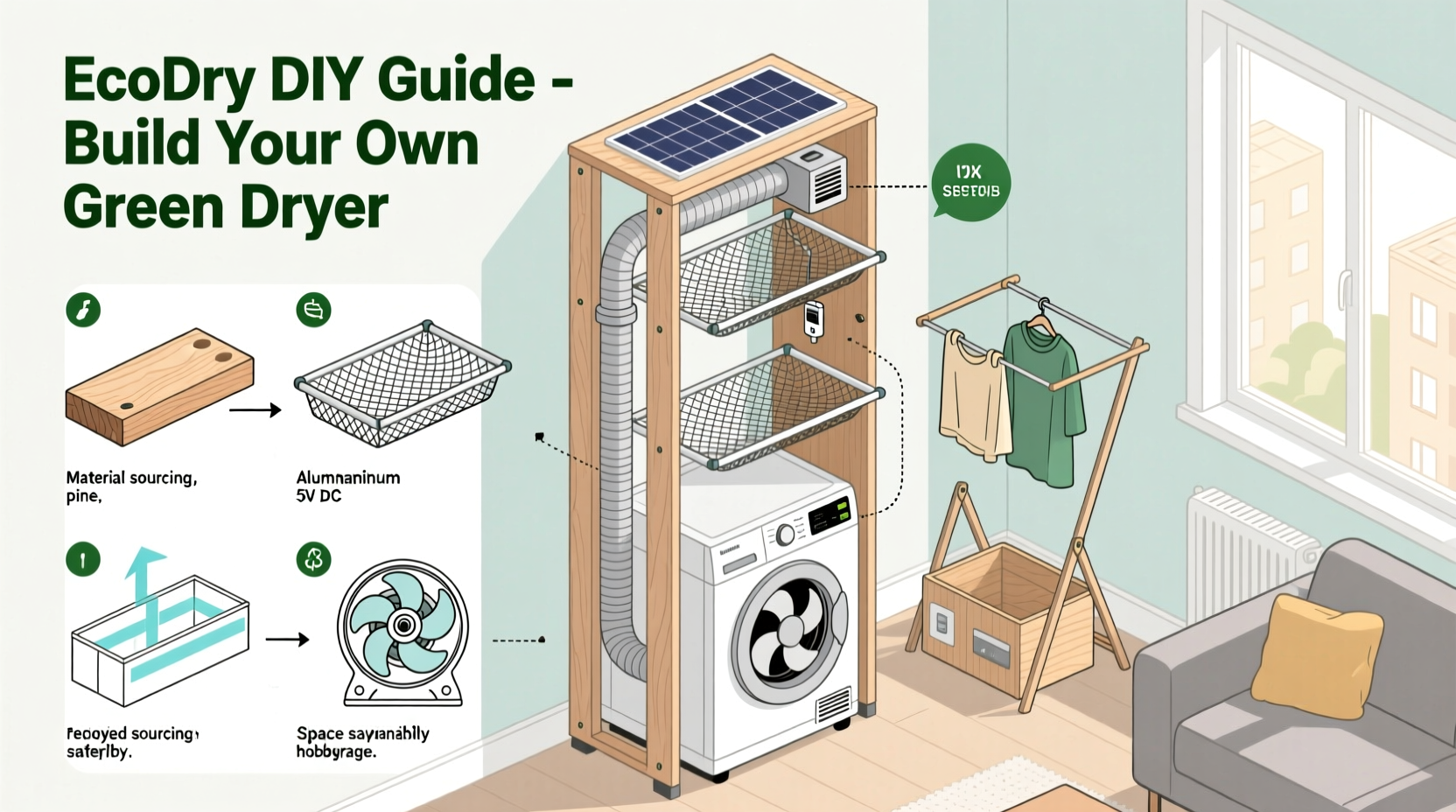
Commercial dryers consume substantial electricity and contribute to higher carbon emissions. A well-designed homemade dryer reduces dependence on mechanical systems while improving air circulation and drying speed. Unlike passive indoor drying racks, a DIY dryer can incorporate heat sources, airflow mechanisms, and moisture control features that mimic conventional machines—without the energy cost.
The benefits extend beyond savings. You gain full control over materials, size, and placement. It's also a sustainable upgrade for apartments, tiny homes, RVs, or rural homes where venting traditional dryers is impractical.
Materials and Tools Needed
Before beginning construction, gather the following components. Most are available at hardware stores or can be repurposed from household items.
- Wooden frame (2x4 lumber or PVC pipes for lightweight version)
- Mesh or wire screening (for ventilation and airflow)
- Fan (12V DC or standard AC, depending on power source)
- Heat source (small ceramic heater, incandescent bulb, or solar panel + resistor setup)
- Thermostat or temperature controller (optional but recommended)
- Screws, brackets, and mounting hardware
- Insulation material (reflective foil or foam board)
- Power cord and plug (if using electrical components)
- Drill, saw, screwdriver, wire cutters
A compact design measuring 36” x 24” x 48” fits most bathrooms or laundry corners. Larger models can accommodate full-family loads and integrate with existing shelving.
Step-by-Step Construction Guide
- Design the Frame: Sketch a rectangular cabinet-style structure with internal shelves or hanging rods. Ensure enough clearance for air movement around clothes.
- Build the Enclosure: Assemble the frame using wood or PVC. Attach mesh panels to at least two sides to allow cross-ventilation. The back panel should include insulation to retain warmth.
- Install the Fan: Mount a fan near the top or bottom rear. If placed at the bottom, it pushes warm air upward; if at the top, it pulls moist air out (exhaust mode).
- Add Heat Source: Position a low-wattage heating element (e.g., 100W bulb or 250W ceramic heater) inside the base, shielded from direct contact with fabric. Never use open coils near clothing.
- Wire Controls: Connect the fan and heater to a switch or timer. For safety, use a GFCI outlet and consider adding a thermostat set to 90–100°F (32–38°C) to prevent overheating.
- Test Airflow: Turn on the system without clothes. Confirm air moves evenly through the chamber. Adjust fan position or add baffles if needed.
- Load and Dry: Hang damp clothes inside, leaving space between items. Run the system for 2–4 hours depending on thickness and humidity.
Optimizing Performance: Do’s and Don’ts
| Do’s | Don’ts |
|---|---|
| Use moisture-absorbing materials like bamboo charcoal bags inside the unit during off-hours. | Overload the dryer—crowding blocks airflow and increases drying time. |
| Run the fan continuously, even without heat, in humid climates to prevent mildew. | Place near flammable materials or leave unattended for long periods. |
| Combine with a dehumidifier in the same room for faster results. | Use high-wattage heaters not designed for enclosed spaces. |
| Clean mesh filters weekly to maintain airflow. | Ignore condensation buildup—wipe down surfaces regularly. |
Real-World Example: Off-Grid Family in Oregon
The Thompson family lives in a rural cabin in western Oregon, where rainy seasons last six months and grid electricity is expensive. They built a wall-mounted dryer using recycled pallet wood, a 12V computer fan powered by solar, and a thermostatically controlled reptile heat lamp. Positioned next to their wood stove, the unit captures ambient warmth in winter. During summer, solar power runs the fan alone, leveraging natural convection.
They report drying a full load of towels in under three hours, compared to 8+ hours on a traditional rack. “It’s not just about convenience,” says Mark Thompson. “We’ve cut our dryer usage by 90%, and our clothes last longer without constant tumbling.”
“Passive drying works, but strategic airflow and mild heat can transform it into a reliable daily system.” — Dr. Lena Patel, Sustainable Living Researcher, University of Vermont
Alternative Designs for Different Needs
Not every home suits a permanent cabinet dryer. Here are adaptable variations:
- Rotating Drum Dryer: Repurpose a metal trash can with holes drilled throughout. Mount it horizontally on bearings and connect to a slow motor. Tumble action exposes all surfaces to warm air.
- Solar-Powered Box Dryer: Build a transparent insulated box facing south. Air enters at the base, heats up via solar absorption, and exits through a top vent with a small fan. Ideal for sunny climates.
- Compact Bathroom Dryer: Install a fold-down wooden shelf with a hidden fan underneath. When not in use, it tucks against the wall like a shelf.
Frequently Asked Questions
Can I use this dryer for delicate fabrics like wool or silk?
Yes, but avoid direct heat. Set the thermostat below 85°F (29°C) and use only the fan setting. Hang garments loosely and monitor them closely to prevent shrinkage.
Is it safe to leave the dryer running overnight?
Only if equipped with safety features: thermal cutoff switch, grounded wiring, and non-combustible materials. Otherwise, limit operation to supervised periods. Consider using a timer to auto-shut off after 4 hours.
How much does it cost to build?
A basic model costs $40–$70 using new parts. Reusing fans, wood, or insulation can reduce this to under $25. Compare that to $100+ monthly electricity costs for standard dryers in some regions.
Checklist: Building Your Efficient DIY Dryer
- ☐ Measure available space and sketch a design
- ☐ Gather materials and tools
- ☐ Construct the frame and install ventilation panels
- ☐ Mount fan and heat source securely
- ☐ Wire components with proper insulation and switches
- ☐ Test airflow and temperature distribution
- ☐ Add thermostat or timer for automation
- ☐ Perform first test run with a small load
- ☐ Clean and inspect weekly for optimal performance
Final Thoughts and Call to Action
Building an efficient homemade clothes dryer isn’t just a craft project—it’s a step toward self-reliance, sustainability, and smarter living. With thoughtful design and basic technical skills, you can create a system tailored to your lifestyle and environment. The upfront effort pays off in reduced energy bills, gentler fabric care, and independence from mechanical appliances.
Start small, experiment with airflow and heat settings, and refine your design over time. Share your build online, inspire others, and adapt the concept to your unique needs. Whether you’re drying baby clothes in an apartment or heavy workwear on a farm, this DIY solution proves that innovation often lies in simplicity.




 浙公网安备
33010002000092号
浙公网安备
33010002000092号 浙B2-20120091-4
Comments
No comments yet. Why don't you start the discussion?