
Wall shelves are more than just storage—they’re an opportunity to express personality, elevate room aesthetics, and maintain organization. When styled with intention, a single shelf can become a focal point that ties together color, texture, and function. Yet too often, shelves end up cluttered, underused, or visually unbalanced. The key lies in blending practicality with design principles to create displays that feel both curated and lived-in.
Whether you're styling a floating shelf in the living room, a narrow ledge in the kitchen, or a built-in unit in a hallway, thoughtful arrangement transforms even the smallest surface into a statement piece. With the right mix of objects, spacing, and rhythm, you can achieve harmony between beauty and utility.
Balance Aesthetics with Everyday Use
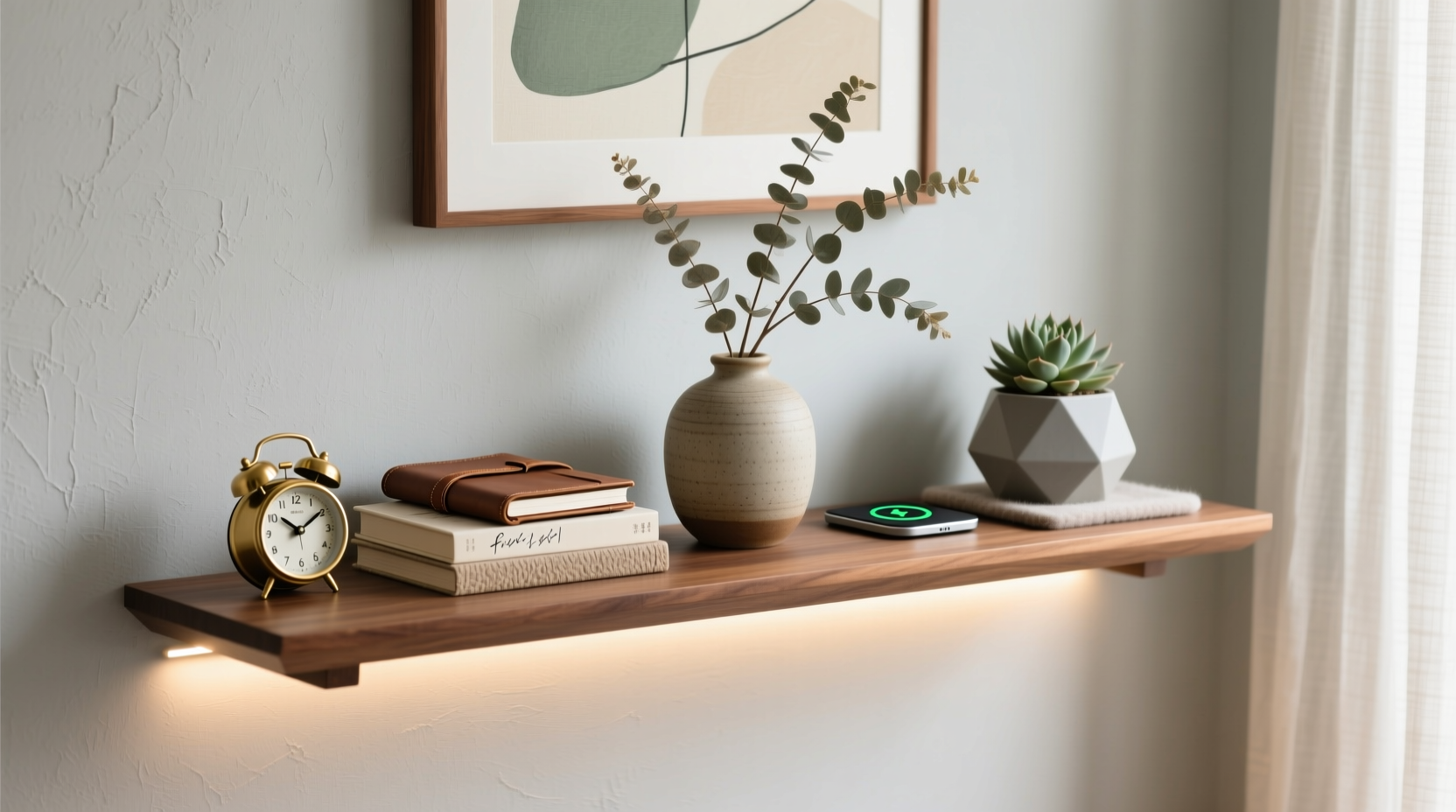
The most effective shelf displays serve two purposes: they look good and support daily life. Begin by assessing how the shelf is used. Is it primarily decorative? Does it store books, display photos, or hold everyday items like coffee mugs or skincare products? Knowing its role helps determine what belongs on it.
A common mistake is treating shelves as purely visual spaces, leading to impractical arrangements where useful items are hidden away. Instead, integrate functional pieces into your design. A ceramic vase can double as a utensil holder; a stack of hardcover books supports a framed photo while adding height variation.
Create Visual Rhythm with Grouping and Layering
Professional interiors rely on rhythm and repetition to guide the eye. On a shelf, this means grouping similar items while varying scale, color, and form. Think in threes: clusters of three objects (tall, medium, small) tend to feel balanced and natural.
- Stack books horizontally to create platforms for smaller decor like candles or succulents.
- Layer frames by placing one upright and leaning another slightly behind it for depth.
- Vary container heights—a tall apothecary jar next to a short dish adds dimension.
Leave breathing room. Crowded shelves feel chaotic. Aim for 30–40% negative space to let each object stand out. As interior designer Naomi Fujimoto notes:
“Editing is as important as selecting. Remove one item after styling—it’s usually the one that was making the composition feel heavy.” — Naomi Fujimoto, Interior Stylist
Use a Styling Checklist for Cohesive Results
To avoid haphazard arrangements, follow a structured approach. This checklist ensures your shelf reflects intentional design:
- Determine the shelf’s primary purpose (display, storage, hybrid).
- Gather all potential items and sort them by category: books, plants, photos, containers, etc.
- Edit ruthlessly—keep only pieces that fit the room’s color palette or emotional tone.
- Start with larger or heavier items as anchors (e.g., a book stack or ceramic bowl).
- Add vertical interest using objects of different heights.
- Incorporate texture through materials like wood, metal, glass, or woven fabric.
- Include a personal touch—a souvenir, handwritten note, or family heirloom.
- Step back and assess from across the room. Adjust until the composition feels balanced.
Do’s and Don’ts of Shelf Styling
| Do | Don't |
|---|---|
| Use odd numbers when grouping objects (3, 5, 7) | Arrange items symmetrically unless aiming for formal balance |
| Mix matte and glossy finishes for visual contrast | Overuse shiny or reflective items that create glare |
| Rotate seasonal decor to keep the shelf feeling fresh | Leave outdated or unused items on display “just because” |
| Anchor with a large item on one end and balance with a cluster on the other | Place all small items together—they get lost without contrast |
| Incorporate greenery—even a tiny air plant adds life | Forget lighting; a small LED puck light enhances evening appeal |
A Real-Life Example: Revamping a Living Room Shelf
Sarah, a graphic designer in Portland, struggled with a long floating shelf above her sofa. It held mismatched books, random trinkets, and a forgotten set of coasters. The result? Visually noisy and functionally useless.
She began by removing everything and defining the shelf’s goal: to reflect her love of nature and minimalism while storing remote controls in style. She grouped items by material—wood, white ceramics, and black-framed photos. Then she created three zones:
- Left: A stack of art books topped with a walnut tray holding remotes.
- Center: A trio of staggered frames—family photo, botanical print, vintage sketch—layered with a trailing pothos in a matte white pot.
- Right: A black candle, handmade mug, and small stone sculpture.
The final arrangement felt grounded, personal, and functional. Guests now compliment the shelf as a highlight of the room.
Functional Styling by Room Type
Shelf needs vary by location. Tailor your approach based on context:
- Kitchen: Store cookbooks, spices in labeled jars, and a small herb pot. Use a wooden box to hide sponges or trash bags.
- Bathroom: Folded towels, rolled washcloths, and apothecary jars with cotton balls add spa-like order. Add a small mirror or reed diffuser for polish.
- Entryway: Combine a bowl for keys, a slim umbrella stand, and a framed welcome note. Keep it simple but welcoming.
- Home Office: Display awards, notebooks, and a sleek desk clock. Use a fabric-covered box to hide cords or sticky notes.
In each case, function informs form. The most stylish shelves aren’t devoid of utility—they elevate it.
Frequently Asked Questions
How do I style a shelf in a small space?
In compact areas, prioritize multi-functional decor. Use vertical stacking, wall-mounted baskets, and mirrored backs to create depth. Stick to a monochromatic palette to reduce visual weight and enhance cohesion.
Can I mix modern and vintage items on the same shelf?
Absolutely. In fact, contrast creates interest. Pair a mid-century vase with a contemporary sculpture or blend antique books with a sleek digital photo frame. The key is a unifying element—color, material, or theme—to tie disparate pieces together.
How often should I restyle my shelf?
Every 3–6 months is ideal. Seasonal changes, new purchases, or shifts in mood offer natural opportunities to refresh. Even minor swaps—a different book cover facing out, a new coaster—can revitalize the look.
Conclusion: Make Your Shelf a Statement
A well-decorated wall shelf does more than hold objects—it tells a story, supports routines, and enhances the atmosphere of a room. By combining thoughtful curation with everyday functionality, you turn overlooked spaces into moments of delight.
Start today: take one shelf, clear it completely, and rebuild it with purpose. Choose pieces that resonate, arrange them with care, and leave room for evolution. Your home deserves details that reflect who you are—and how you live.




 浙公网安备
33010002000092号
浙公网安备
33010002000092号 浙B2-20120091-4
Comments
No comments yet. Why don't you start the discussion?