
A well-chosen handbag is more than just a practical item—it’s an extension of personal style. But beyond carrying essentials, many women seek subtle yet impactful ways to personalize their bags. One often-overlooked opportunity lies in how you attach a keychain. Far from being just a utilitarian tool, a thoughtfully attached keychain can enhance both the look and usability of a purse. From minimalist elegance to bold statement pieces, there are numerous inventive methods that blend form and function seamlessly.
Why Keychain Placement Matters
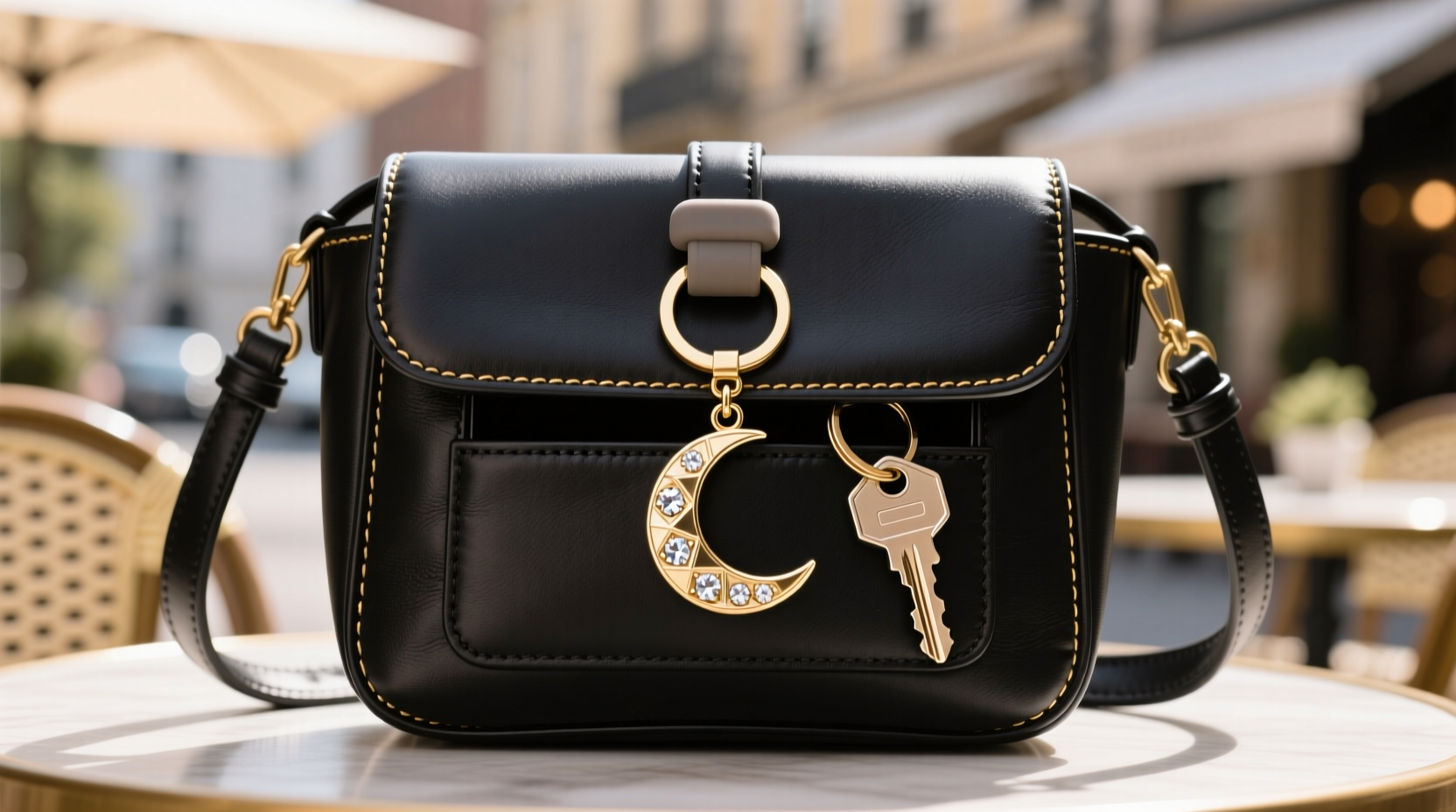
The way a keychain is attached to a bag influences not only accessibility but also visual balance. A dangling charm might catch on clothing or snag delicate fabrics if poorly positioned. Conversely, a well-placed keychain can serve as a focal point, drawing attention to quality hardware or complementing the bag’s design lines. It should be easy to reach when needed, yet unobtrusive enough not to interfere with daily use.
Functional benefits include quicker access to keys, reduced risk of misplacing them inside large totes, and even psychological reassurance—knowing exactly where your keys are without rummaging through layers of contents.
Stylish & Practical Attachment Methods
1. D-Ring or Strap Clip Integration
Many designer and high-quality bags feature built-in D-rings, either near the top handles or along side panels. These metal loops are ideal anchor points. Attach your keychain using a small carabiner or split ring directly onto the D-ring. For added flair, opt for decorative connectors like engraved jump rings or enamel-accented clips.
This method keeps keys secure while allowing them to swing freely—ideal for quick retrieval. If your bag lacks D-rings, consider adding a removable leather loop accessory that slips over a handle.
2. Tassel Keychains as Functional Decor
Tassel-style keychains have surged in popularity due to their dual role as fashion accents and functional tools. Attach one to the zipper pull of your main compartment or front pocket. Not only does it make zippers easier to grip, especially with gloves on, but it also adds movement and texture to otherwise plain surfaces.
Select tassels in coordinating colors or materials—silk for elegance, braided leather for sophistication, or metallic threads for evening wear.
3. Hidden Magnetic Key Holders Inside the Bag
For those who prefer minimal exterior decoration, internal magnetic key holders offer a sleek solution. Small neodymium magnets can be discreetly sewn or glued (using fabric-safe adhesive) inside the lining near the top edge. Attach a matching magnet to your key fob, and it will snap securely into place when stored.
This keeps keys organized and prevents jingling, while maintaining a clean external appearance. Ideal for structured handbags or professional tote styles.
4. Convertible Keychains with Detachable Straps
Some modern keychains come with retractable reels or detachable wristlets. Clip these to an interior loop or purse handle, then extend the reel when needed. When not in use, the compact unit stays tucked away.
These are particularly useful for crowded environments like concerts or markets, where pickpocketing is a concern. The ability to quickly disconnect and reattach offers peace of mind without sacrificing style.
5. Embellished Key Pouches as External Clasps
Rather than attaching loose keys, consider housing them in a miniature embellished pouch—think beaded clutches, mini crossbody cases, or embroidered envelopes—and clipping this to the outside of your bag via a lobster clasp or chain.
This transforms the keyholder into a standalone accessory. You can rotate designs seasonally or match them to outfits, effectively turning utility into expression.
“Accessories shouldn’t just serve—they should speak. A well-placed keychain tells a story about attention to detail and intentionality.” — Lila Montgomery, Fashion Stylist & Accessory Designer
Do’s and Don’ts: Keychain Attachment Guide
| Do | Don't |
|---|---|
| Use non-abrasive materials to protect bag finishes | Attach heavy chains that strain stitching or distort shape |
| Match metals (gold-tone to gold-tone, silver to silver) | Allow keys to scratch delicate linings or hardware |
| Position keychains near natural access points (top opening, side pockets) | Overcrowd multiple bulky charms on one ring |
| Opt for silent key covers or padded rolls if noise bothers you | Forget security—ensure attachments won’t easily detach |
Real-Life Example: Transforming a Classic Tote
Sophie, a marketing executive based in Chicago, owns a timeless black leather tote she uses daily. While durable and spacious, she found it lacked personality. After reading about accessory layering, she purchased a vintage-inspired brass keychain shaped like a compass—symbolic of her love for travel.
Instead of clipping it haphazardly, she attached it to a hidden interior D-ring using a slim, gunmetal-toned carabiner. She chose a short chain length so the keychain peeked slightly above the bag’s rim, visible but not overwhelming. Over time, colleagues began complimenting “that little detail,” and Sophie felt her bag truly reflected her identity.
The change took less than two minutes and cost under $25—but the impact on her confidence and sense of ownership was significant.
Step-by-Step: How to Attach a Keychain Thoughtfully
- Evaluate Your Bag’s Structure: Look for existing attachment points—D-rings, zipper pulls, strap junctions, or interior loops.
- Choose the Right Keychain: Consider weight, size, material, and aesthetic compatibility with your bag.
- Select an Attachment Method: Decide between clip-on, loop-through, magnetic, or integrated options.
- Test Placement: Temporarily attach the keychain and carry the bag around the house. Check for comfort, visibility, and ease of access.
- Secure Permanently (if applicable): Use appropriate fasteners—split rings for durability, silicone-coated clips to prevent scratching.
- Maintain Regularly: Inspect connections monthly for wear, especially if used daily.
Frequently Asked Questions
Can I attach a keychain to a silk or delicate fabric bag?
Yes, but with caution. Avoid piercing or clamping fragile materials. Instead, use soft fabric loops or magnetic closures designed for light loads. Alternatively, place the keychain inside and let only a small charm dangle from the zipper.
Will a keychain damage my bag over time?
Potentially, if improperly attached. Keys swinging freely can scratch hardware or wear through thin leathers at contact points. To prevent this, use protective sleeves on key edges or choose padded key organizers.
Are there luxury brands that design bags with dedicated keychain features?
Yes. Brands like Hermès, Gucci, and Saint Laurent often incorporate signature key holders—such as the Hermès “H” lock or Gucci’s interlocking G charm—as integral parts of their bag designs. Some even sell matching keychains as part of collections.
Final Thoughts: Elevate Utility Into Art
Attaching a keychain to a ladies’ bag isn’t merely about convenience—it’s an act of curation. Every choice, from placement to material, contributes to the narrative your accessories convey. Whether you favor understated refinement or bold self-expression, integrating a keychain thoughtfully enhances both experience and aesthetics.
Start small. Experiment with one method. Notice how it changes your interaction with your bag. Then refine, replace, or redesign until the detail feels effortless—because true style thrives not in grand gestures, but in the quiet details that work as hard as they shine.




 浙公网安备
33010002000092号
浙公网安备
33010002000092号 浙B2-20120091-4
Comments
No comments yet. Why don't you start the discussion?