
A well-designed room often hinges on the smallest details—pillow covers being one of the most impactful. Beyond comfort, plush pillow covers serve as expressive design elements that can shift a space from bland to bold or serene to sophisticated. The right pattern doesn’t just complement your decor; it defines the mood. Yet many homeowners struggle to find fresh, cohesive, and stylish patterns that feel intentional rather than random. The key lies not in chasing trends, but in cultivating a thoughtful approach to discovery.
Look Beyond Home Decor: Draw Inspiration from Unexpected Sources
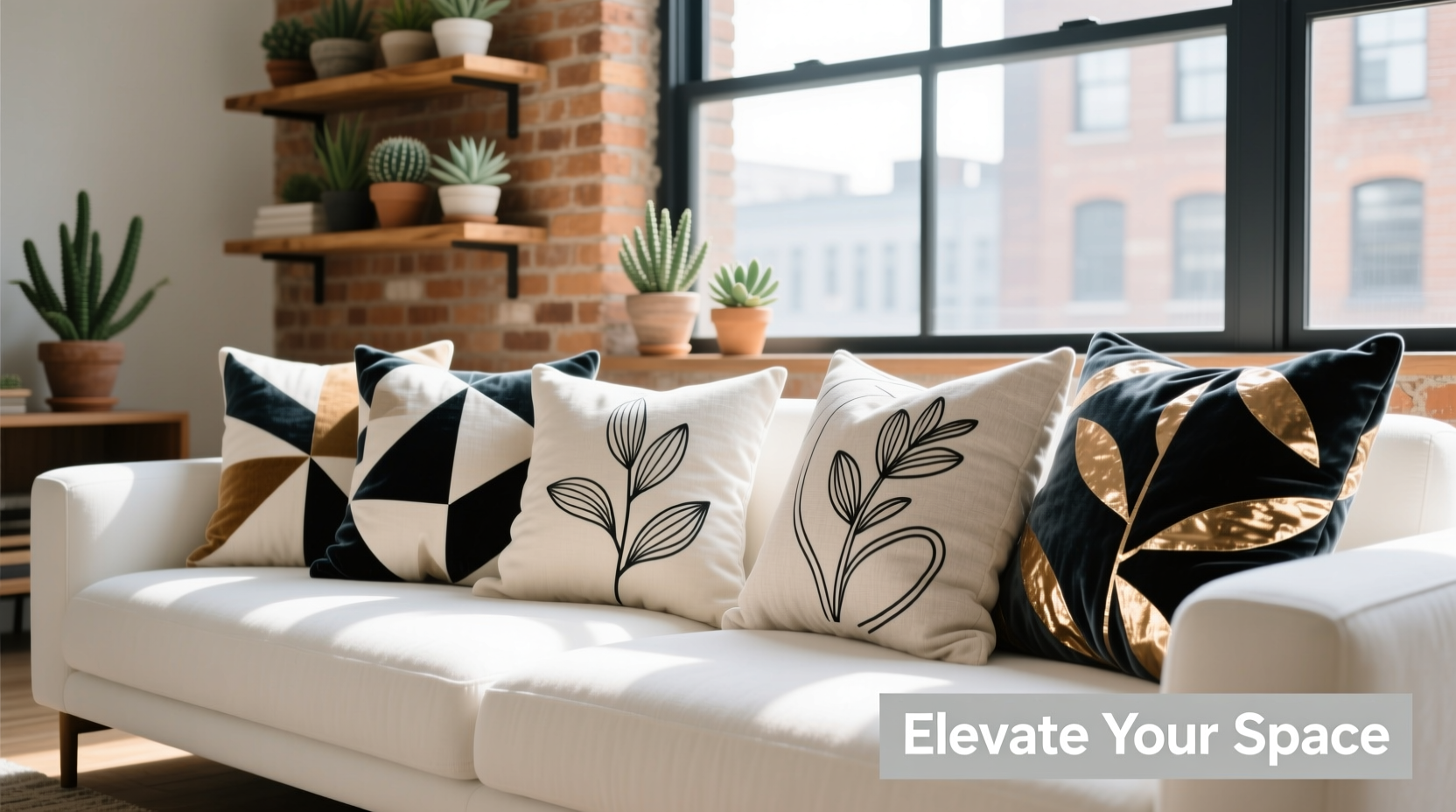
Some of the most compelling patterns originate outside traditional interior design catalogs. Fashion runways, vintage textiles, and even nature offer rich visual libraries. A silk scarf’s intricate paisley, a fragment of Moroccan tilework, or the symmetry of a fern’s fronds can all be translated into modern pillow designs.
Fashion designers frequently collaborate with textile artists, resulting in limited-run prints that later influence home collections. Following designers like Dries Van Noten or Mary Katrantzou can expose you to avant-garde motifs long before they appear on throw pillows. Similarly, museums with textile archives—such as the Victoria and Albert Museum or the Cooper Hewitt—offer digital access to centuries of global pattern history, from Ottoman ikats to Art Deco geometrics.
Curate with Intention: Build a Pattern Palette
Randomly mixing patterns leads to visual chaos. Instead, treat your pillow collection like a curated wardrobe. Begin by selecting a dominant color palette—perhaps earthy terracottas and creams or cool navy and sage. Then layer patterns using a hierarchy: one large-scale statement print (like an oversized floral), a medium-scale geometric, and a small-scale texture (such as a subtle herringbone).
This method ensures cohesion while allowing for contrast. For instance, a bold tribal print pairs beautifully with a tonal stripe if both share a common hue. Texture also counts as pattern: a velvet pillow with no print still contributes visual interest through its sheen and depth.
“Pattern mixing isn’t about clutter—it’s about rhythm. Think of it like music: contrasting beats create harmony when guided by a central tone.” — Lena Torres, Interior Stylist & Author of *Textural Living*
Create a Mood Board Using Digital Tools
In the digital age, inspiration is only a few clicks away. Use platforms like Pinterest, Instagram, or Milanuncios to collect images of rooms, fabrics, and art that resonate with your aesthetic. But go beyond saving pictures—organize them into themed boards: “Bohemian Layers,” “Minimalist Neutrals,” or “Maximalist Color.”
Once you’ve gathered 15–20 strong references, step back and analyze recurring elements. Are most images dominated by organic shapes? Do warm tones prevail? This analysis reveals your subconscious preferences and guides your pillow selection process.
For more precision, use free tools like Canva or Adobe Color to extract dominant palettes from your favorite images. Match these to available pillow cover options online, filtering by hue and saturation to maintain consistency.
Step-by-Step Guide: Building a Digital Mood Board
- Choose a platform (Pinterest recommended for ease).
- Create a new board titled with your room’s purpose (e.g., “Cozy Living Room Refresh”).
- Search terms like “patterned pillow styling,” “living room texture,” or “boho bedroom decor.”
- Save at least 15 diverse but aligned images.
- Analyze shared colors, patterns, and materials.
- Narrow to three core patterns for your pillow set.
- Shop using filtered searches based on your findings.
Support Independent Artists and Small Designers
Mass-market retailers often recycle the same dozen patterns across seasons. To find truly unique designs, explore independent creators on platforms like Etsy, Society6, or Spoonflower. These artists offer original illustrations, hand-drawn motifs, and culturally inspired prints unavailable elsewhere.
Spoonflower, in particular, allows you to purchase custom-printed fabric by the yard—or order ready-made pillow covers directly. You can even upload your own artwork or photograph and have it transformed into a repeatable pattern. This level of customization ensures your pillows are one-of-a-kind.
Additionally, many small designers produce in limited batches using eco-friendly inks and natural fibers, aligning style with sustainability.
Real-Life Example: Transforming a Dated Living Room
When designer Mara Chen consulted for a client in Portland, the living room felt outdated despite quality furniture. The beige sofa and neutral rug lacked character. Mara introduced three plush pillow covers: one with a deep emerald ikat, another in a rust-and-charcoal tribal stripe, and a third in textured oatmeal bouclé.
The transformation was immediate. The ikat became the focal point, tying in with newly added indoor plants and handmade ceramics. The mix felt curated, not chaotic, because all three pillows shared warm undertones and varied scale. Within a week, the client reported feeling more relaxed and proud of the space. “I didn’t realize three pillows could change how I feel at home,” she said.
Do’s and Don’ts of Pattern Selection
| Do | Don't |
|---|---|
| Limit your pillow set to 3 complementary patterns max | Mix more than four distinct patterns without a unifying color |
| Use texture as a “silent” pattern (e.g., cable knit, faux fur) | Pair two large-scale prints head-on without a buffer pattern |
| Test patterns under natural and artificial light | Ignore how a pattern reads from across the room |
| Wash samples first to check for shrinkage or bleed | Assume all online colors match real-life lighting conditions |
FAQ: Common Questions About Stylish Pillow Cover Patterns
How do I know if a pattern will clash with my existing decor?
Hold a sample or printout of the pillow against your largest furnishing (sofa, rug, curtain). If two dominant colors in the pattern appear elsewhere in the room—even subtly—the odds of harmony increase. When in doubt, choose a pattern that includes your room’s accent color.
Can I mix vintage and modern patterns successfully?
Yes—this contrast often creates depth. Pair a retro 70s floral with a clean-lined pinstripe. The trick is balancing eras with consistent color temperature (e.g., both warm-toned) and varying scale so one doesn’t overpower the other.
Are bold patterns suitable for small spaces?
Absolutely. A single boldly patterned pillow can act as a focal point in a minimalist or compact room. Just ensure surrounding elements remain simple—solid walls, neutral upholstery—to avoid overwhelming the eye.
Final Checklist Before Purchasing Pillow Covers
- ✅ Confirm the pillow insert size matches the cover dimensions
- ✅ Check fabric durability (cotton-linen blends resist wear better than pure silk)
- ✅ Verify washability—machine-washable covers simplify maintenance
- ✅ Assess lighting in your room—some patterns look busy under bright lights
- ✅ Order swatches if available, especially for digital prints
- ✅ Ensure at least one color in the pattern connects with your room’s palette
Elevate Your Space with Purposeful Design
Finding stylish patterns for plush pillow covers isn’t about impulse buys or fleeting trends. It’s about observation, intention, and personal expression. Whether you’re drawing from global textiles, digital mood boards, or independent artists, each choice adds narrative depth to your environment. The most elevated spaces aren’t those filled with expensive items, but those layered with meaning and thoughtfully chosen details.




 浙公网安备
33010002000092号
浙公网安备
33010002000092号 浙B2-20120091-4
Comments
No comments yet. Why don't you start the discussion?