
Creating lifelike animal models is more than just a craft—it’s an art form that blends observation, patience, and imagination. Whether you're a hobbyist, educator, or aspiring sculptor, building realistic animal models can deepen your understanding of anatomy, texture, and movement in nature. While the process may seem daunting at first, with the right tools, materials, and mindset, even complete beginners can produce convincing results. This guide walks you through practical, creative approaches to crafting detailed animal replicas using affordable supplies and proven techniques.
Understanding Realism in Animal Modeling
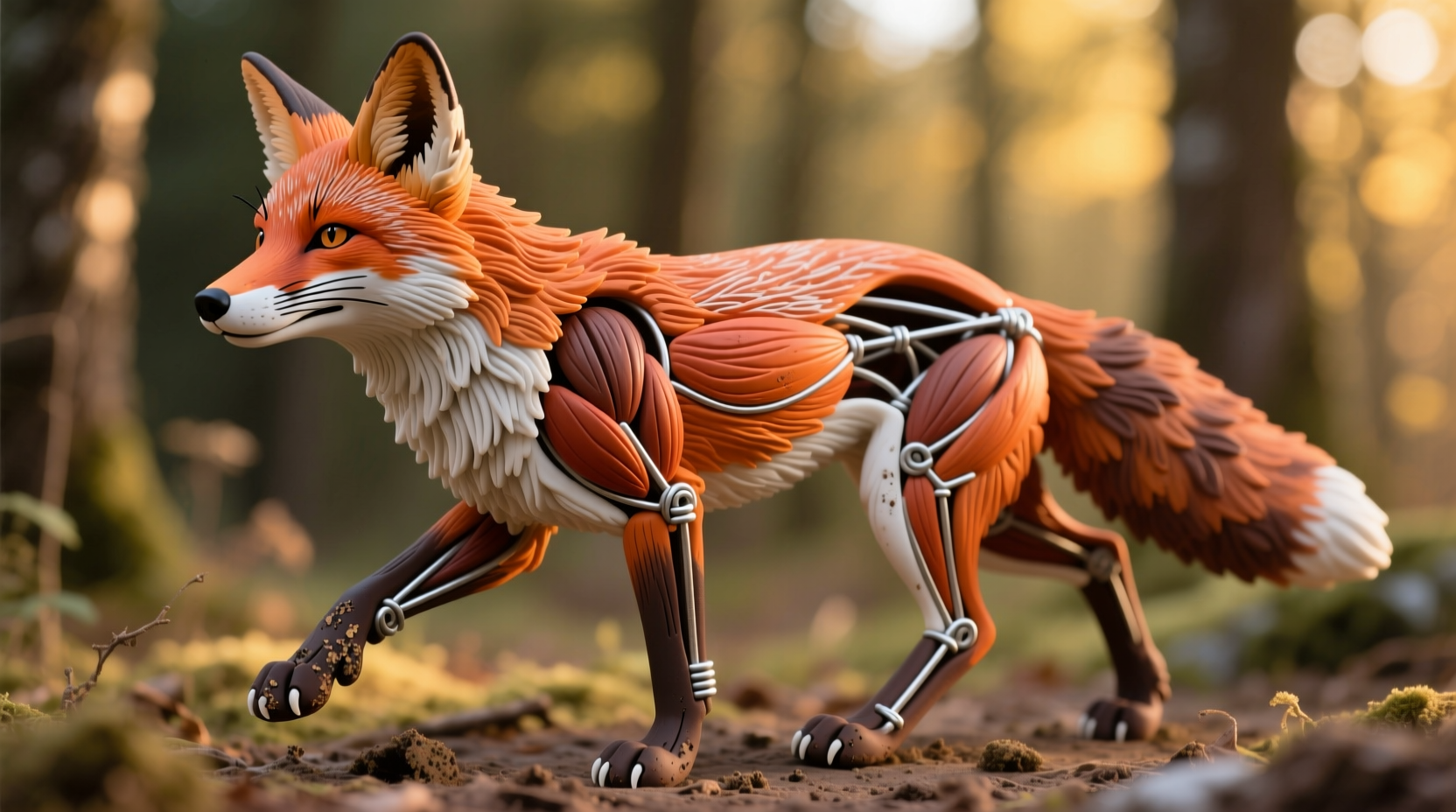
Realism isn’t just about accuracy; it’s about capturing the essence of an animal—its posture, expression, and surface details like fur, scales, or feathers. Before picking up any tool, spend time studying reference photos or videos of the animal you want to model. Observe how light interacts with its skin, where muscles bulge during motion, and how features like ears or tails are proportioned.
Beginners often rush into sculpting without this foundational research, resulting in stiff or cartoonish outcomes. Instead, treat each project as a mini-biology lesson. Sketch the animal lightly on paper first, noting key landmarks such as eye placement, nose width, and limb length.
“Observation is half the battle. The most convincing models come from artists who truly see their subject.” — Dr. Lena Reyes, Wildlife Sculpture Instructor at Northern Art Institute
Materials and Tools for Beginners
You don’t need expensive equipment to start. Many realistic models are made from everyday craft supplies transformed through technique. Below is a comparison of common modeling materials suited for beginners.
| Material | Best For | Pros | Cons |
|---|---|---|---|
| Polymer Clay (e.g., Fimo, Sculpey) | Small mammals, birds, reptiles | Easy to shape, holds fine detail, oven-bake hardening | Can crack if too thin; requires baking |
| Wire Armature + Paper Mache | Larger animals, classroom projects | Inexpensive, lightweight, customizable size | Time-consuming drying; fragile when dry |
| Foam Sheets & Craft Foam | Textured skins, fins, wings | Lightweight, easy to cut and paint | Limited structural strength |
| Recycled Materials (cardboard, fabric scraps) | Eco-friendly models, educational displays | Sustainable, widely available | Less durable; harder to achieve realism |
Select your material based on the size of your model and the level of detail you aim to achieve. Polymer clay is ideal for small-scale work, while foam and armature combinations suit larger creatures like bears or deer.
Step-by-Step Guide to Building a Realistic Animal Model
Follow this structured approach to create a compelling, anatomically sound animal model—even if you’ve never sculpted before.
- Choose Your Animal and Gather References: Pick one species and collect at least five high-resolution images from different angles. Include close-ups of eyes, paws, and skin texture.
- Create a Wire Armature (for larger models): Bend aluminum or steel wire into a basic skeleton. Secure joints with masking tape. This internal frame supports the weight of added materials and allows dynamic poses.
- Bulk Out the Form: Use crumpled aluminum foil, newspaper, or foam balls to build up body volume over the armature. Tape securely. This reduces material cost and prevents cracking in clay or paper mache.
- Add Surface Layer: Apply your primary medium—clay, paper pulp, or foam sheets—over the bulked form. Work from large shapes down to smaller ones: torso first, then limbs, head, tail.
- Sculpt Details Gradually: Use dental tools, toothpicks, or needle-nose pliers to carve fur patterns, wrinkles, claws, or feathers. Avoid adding tiny details too early—they can be damaged during shaping.
- Cure or Dry Thoroughly: Follow manufacturer instructions. Bake polymer clay at correct temperatures. Allow paper mache models 24–48 hours to air-dry completely to prevent warping.
- Paint with Layers: Start with a base coat. Once dry, use dry-brushing (lightly dragging a nearly dry brush over raised areas) to highlight texture. Add shadows with thinned acrylics.
- Final Touches: Glue on glass eyes, real fur scraps, or fabric for tongues/ears. Seal with matte varnish to reduce shine and protect delicate surfaces.
Mini Case Study: A Beginner’s Fox Model
Sophie, a middle school art teacher in Vermont, wanted to create a realistic red fox model for her classroom diorama. With no prior sculpting experience, she began by printing six reference images showing the fox from front, side, back, and sitting positions. She built a wire armature using coat hangers and reinforced joints with electrical tape. Over this, she layered crumpled newspaper held with masking tape, shaping the general fox silhouette.
She then applied two layers of paper mache paste (flour, water, and salt), letting each dry fully before adding the next. After sanding rough edges, she painted a base coat of burnt orange. Using a small stippling brush, she added darker streaks for fur depth and dry-brushed white around the muzzle and tail tip. Glass animal eyes from a craft store gave the face life. The final model stood 30 cm tall and became the centerpiece of her students’ ecology project.
Creative Techniques to Enhance Realism
Going beyond basic shaping and painting can elevate your model from “crafty” to “convincing.” Try these inventive methods:
- Fur Simulation: Cut strips from fake fur fabric and glue them in the direction of natural hair growth. Trim with scissors for variation in length.
- Scale Texturing: Press the end of a spoon or textured stamp into soft clay to mimic reptile skin. Repeat with slight overlaps for consistency.
- Feather Layering: Stack small craft feathers or cut feather shapes from thin leather scraps. Attach from tail upward, overlapping like shingles.
- Eye Detailing: Paint a black pupil, add a white dot for reflection, and outline with dark brown to simulate moisture and depth.
- Natural Bases: Mount your model on a wooden slice or rock with moss, twigs, or sand to suggest habitat.
“Texture tells the story of an animal’s life. A rhino’s wrinkled hide speaks of age and environment—don’t skip those details.” — Malik Torres, Award-Winning Wildlife Modeler
Checklist: Preparing for Your First Animal Model
Before starting your project, ensure you have everything ready:
- ☐ Clear workspace with good lighting
- ☐ Reference images printed or displayed on screen
- ☐ Armature wire and cutting pliers (if needed)
- ☐ Bulk material (foil, newspaper, foam)
- ☐ Primary sculpting medium (clay, paper mache, etc.)
- ☐ Sculpting tools (toothpicks, spoons, brushes)
- ☐ Acrylic paints and sealant varnish
- ☐ Patience and time blocks (avoid rushing stages)
Frequently Asked Questions
Can I make a waterproof animal model for outdoor display?
Yes, but material choice is critical. Use epoxy putty instead of air-dry clay, seal all surfaces with exterior-grade polyurethane, and mount on weather-resistant bases like treated wood or stone. Avoid paper-based materials outdoors.
How do I fix a broken limb on a dried model?
For minor breaks, use super glue and reinforce with a thin wire inserted into both pieces. For larger damage, patch with fresh paper mache or clay, blend edges carefully, and repaint the area.
Are there non-toxic materials safe for children?
Absolutely. Air-dry clay, salt dough, and paper mache are child-safe when used with non-toxic paints. Supervise use of adhesives and tools. These materials work well for classroom-sized projects like frogs, birds, or dinosaurs.
Bring Nature to Life—Start Today
Creating realistic animal models opens a doorway to deeper appreciation of the natural world. It challenges your hands and mind while rewarding you with tangible creations that inspire wonder. Every fold of skin, every curve of a paw, becomes a testament to careful observation and deliberate craftsmanship. You don’t need years of training—just curiosity, access to basic supplies, and the willingness to learn from each attempt.




 浙公网安备
33010002000092号
浙公网安备
33010002000092号 浙B2-20120091-4
Comments
No comments yet. Why don't you start the discussion?