
Living in a dorm room doesn’t mean sacrificing comfort, style, or personal identity. While space is limited and restrictions may apply, even the tiniest quarters can be reimagined as a peaceful retreat—a true home sanctuary that supports rest, focus, and emotional well-being. With thoughtful planning and a few clever design strategies, you can turn your dorm into a space that feels intentional, calming, and uniquely yours.
Maximize Vertical Space with Smart Storage
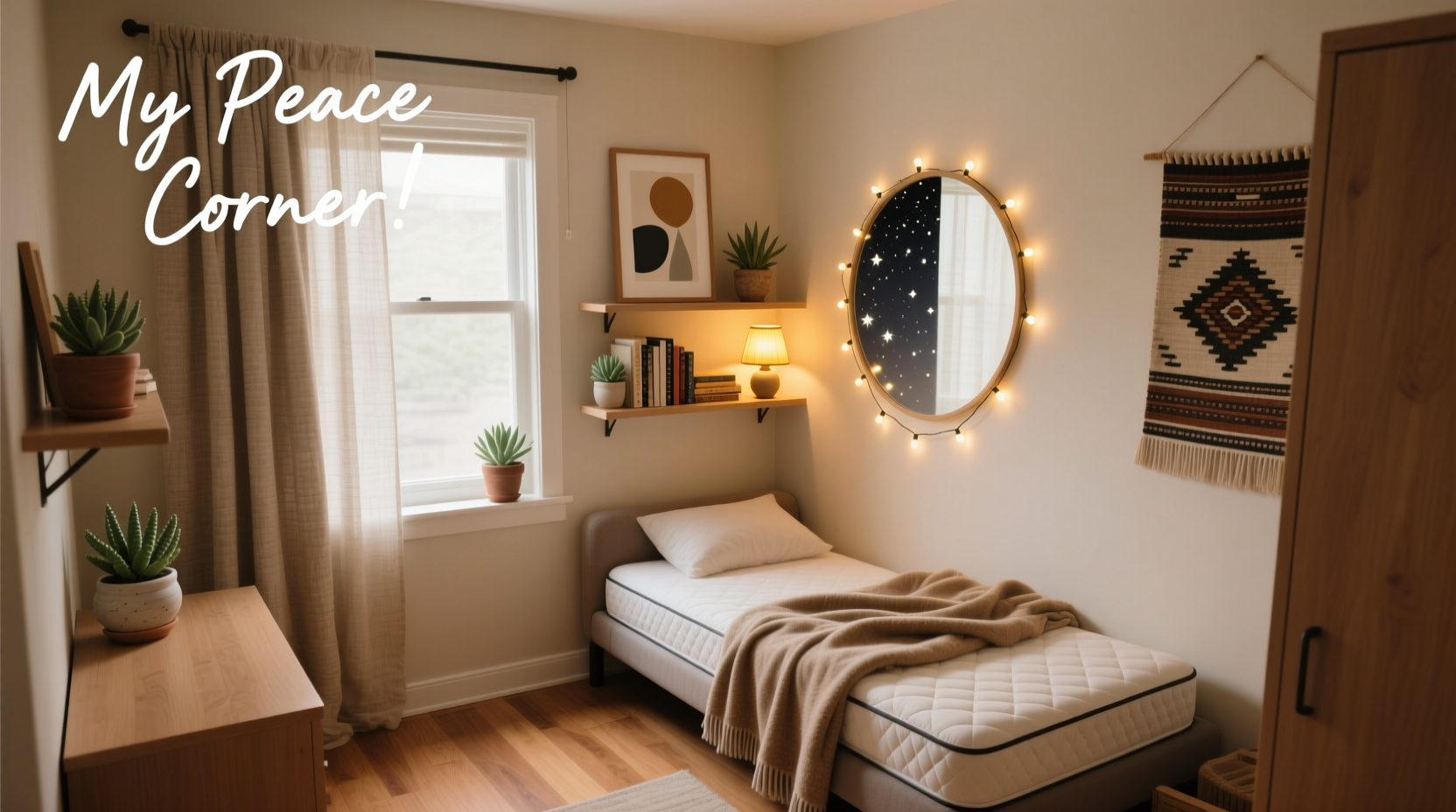
In a dorm, floor space is precious. The key to maintaining openness while adding functionality lies in using vertical real estate. Walls and door backs are often overlooked but offer prime opportunities for storage and decor.
Install floating shelves above your desk or bed to store books, plants, and decorative items. Over-the-door organizers aren’t just for shoes—they work wonders for holding toiletries, snacks, school supplies, or headphones. Consider stackable bins or magnetic strips for small essentials like bobby pins, keys, or stationery.
Bunk or lofted beds open up significant floor area. If your bed isn’t already elevated, check if your housing office allows lofting kits. Under-bed space can house rolling drawers, collapsible crates, or even a small reading nook with floor cushions.
Create Zones for Different Activities
A dorm room often serves as bedroom, office, lounge, and sometimes kitchenette. Without clear boundaries, these functions can blur, leading to distraction and stress. Defining zones helps train your brain to shift modes—sleep here, study there, relax over there.
Use rugs to anchor different areas visually. A small area rug under your desk signals “work zone,” while a plush mat beside the bed becomes a morning landing spot. Curtains on tension rods can section off the sleeping area for added privacy and softness.
- Sleep Zone: Keep electronics out of reach and use warm, dim lighting.
- Study Zone: Face your desk toward natural light and minimize visual clutter.
- Relaxation Zone: Add floor pillows, a foldable ottoman, or a compact bean bag for downtime.
“Spatial zoning in confined environments improves cognitive function and emotional regulation.” — Dr. Lena Torres, Environmental Psychologist
Lighting That Sets the Mood
Harsh overhead lighting makes any space feel institutional. Layering light sources transforms the atmosphere and enhances usability.
Start with ambient lighting: string lights draped along the wall or headboard add warmth and whimsy. Opt for warm-white LED fairy lights—they’re energy-efficient and safe. Next, add task lighting: a slim desk lamp with adjustable brightness supports late-night studying without disturbing a roommate.
For relaxation, consider a small Himalayan salt lamp or a smart bulb that shifts color temperature. These subtle changes signal your body when it’s time to wind down.
| Light Type | Purpose | Recommended Style |
|---|---|---|
| Ambient | General mood enhancement | Fairy lights, LED strips |
| Task | Reading, writing, screen work | Adjustable arm desk lamp |
| Accent | Highlight decor or create coziness | Salt lamp, paper lantern |
Personalize Without Clutter
Your dorm should reflect who you are—but overcrowding leads to visual noise and stress. The goal is meaningful personalization, not maximalism.
Curate a small gallery wall using washi tape or adhesive strips. Mix photos, postcards, and inspirational quotes in matching frames or consistent colors. A fabric pinboard doubles as art and organization—pin schedules, tickets, or sketches.
Bring in nature with low-maintenance plants like pothos, snake plants, or succulents. They purify air and soften hard surfaces. If live plants aren’t allowed, high-quality faux versions in textured pots can have a similar effect.
A Real Student’s Transformation
Maria, a sophomore at a midwestern university, shared how she transformed her 12x10 dorm room after struggling with anxiety during her first semester. “I felt constantly overwhelmed—my clothes were everywhere, my desk spilled into my bed space, and I couldn’t relax,” she said.
She began by decluttering and using under-bed storage for off-season clothing. She installed a curtain around her lofted bed, creating a cocoon-like sleep zone. A single strand of warm string lights and a small diffuser with lavender oil helped signal bedtime. Her desk faced the window and stayed clear except for a plant and a daily planner.
“Within two weeks, I was sleeping better and focusing more in class. My room finally felt like mine—not just a place to crash between lectures.”
Step-by-Step Guide to Your Sanctuary Makeover
Follow this timeline to refresh your space in manageable stages:
- Day 1: Declutter & Assess – Remove everything non-essential. Sort into donate, store, keep. Note problem areas (e.g., messy closet, cramped desk).
- Day 2: Plan Zones – Sketch a simple layout showing where sleep, study, and relaxation will happen.
- Day 3: Install Storage – Add shelves, hanging organizers, and under-bed solutions.
- Day 4: Upgrade Lighting – Hang string lights, set up a desk lamp, test ambiance.
- Day 5: Personalize Thoughtfully – Add 3–5 meaningful decor items: photos, a plant, a textured throw.
- Day 7: Evaluate & Adjust – Live in the space for a few days. Tweak layouts or remove anything that feels off.
Do’s and Don’ts of Dorm Design
| Do | Don't |
|---|---|
| Use removable adhesives for wall decor | Use permanent tape or nails |
| Invest in multi-functional furniture (e.g., storage ottoman) | Bring oversized furniture that blocks pathways |
| Keep a nightly reset routine (5 minutes to tidy) | Let clutter accumulate over weekends |
| Choose calming colors (soft blues, warm neutrals) | Paint walls without permission |
Frequently Asked Questions
Can I paint my dorm walls?
Most universities prohibit painting due to damage and resale concerns. Instead, use removable wallpaper, fabric panels, or framed art to change the wall aesthetic safely.
How do I make my room feel bigger?
Use mirrors to reflect light, choose furniture with exposed legs to create visual space, and stick to a cohesive color palette. Avoid bulky items and maintain clear walkways.
What if my roommate has a different style?
Establish shared zones and personal zones early. Use dividers like bookshelves or curtains to respect boundaries. Agree on common elements like lighting brightness or noise levels.
Final Thoughts: Your Space, Your Sanctuary
A dorm room doesn’t need square footage to feel like home. It needs intention. By thoughtfully arranging what you have, layering comfort, and honoring your personal rhythms, you create more than a living space—you build a foundation for well-being, productivity, and resilience.
Start small. Pick one corner, one shelf, one habit. Let your room evolve with you throughout the semester. When your environment supports you, you’re better equipped to handle the demands of academic life and the journey of self-discovery that college brings.




 浙公网安备
33010002000092号
浙公网安备
33010002000092号 浙B2-20120091-4
Comments
No comments yet. Why don't you start the discussion?