
A simulation horse plush toy is more than just a soft companion—it’s a gateway to imagination, emotional expression, and cognitive growth. With lifelike features such as movable limbs, textured manes, and realistic saddle details, these plush toys offer a unique blend of comfort and interactivity. When used intentionally, they can transform everyday moments into rich, developmental play experiences. From storytelling adventures to motor skill exercises, the possibilities are limited only by creativity.
1. Encourage Narrative Play with Themed Adventures
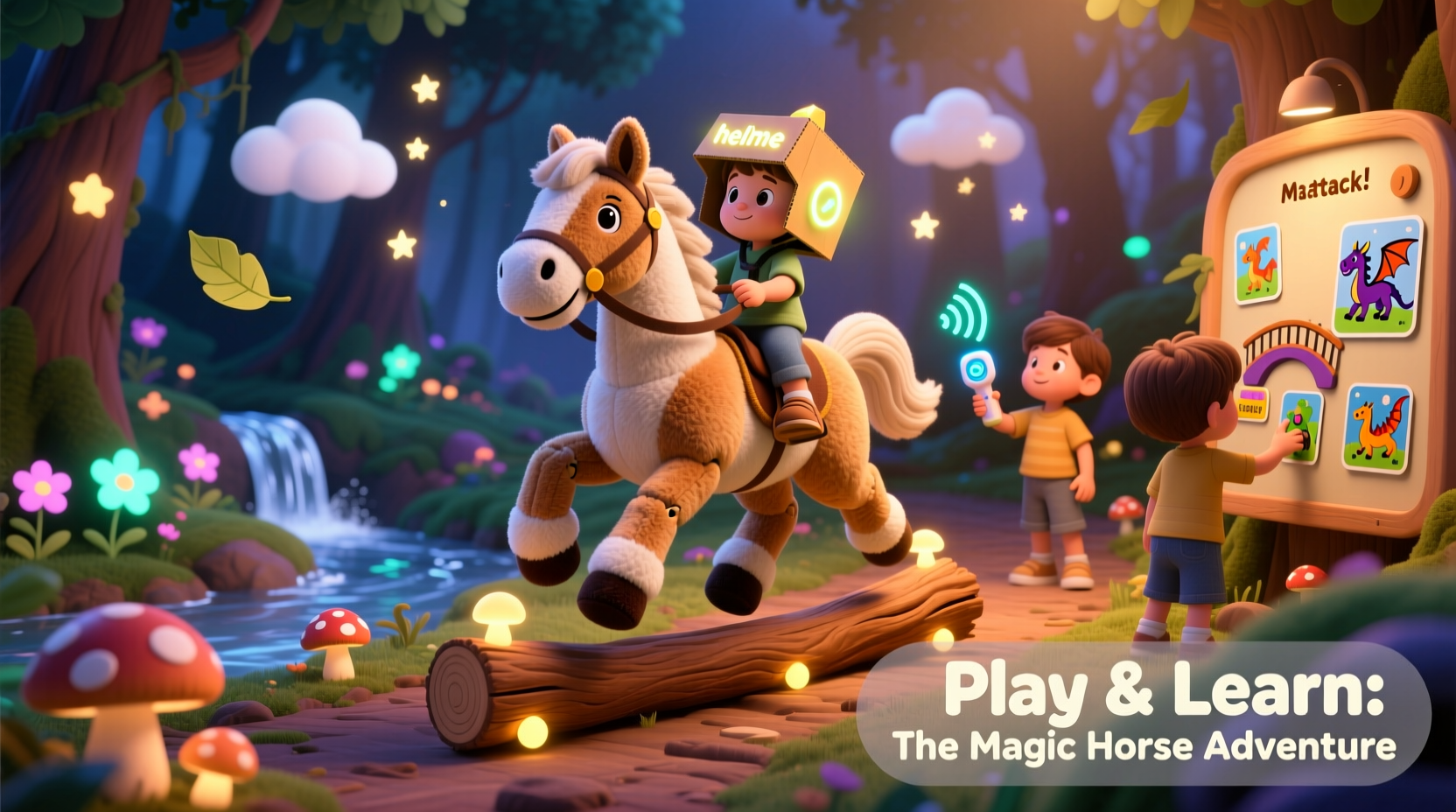
Children naturally gravitate toward stories where they are the hero, and a simulation horse plush becomes the perfect sidekick. By assigning roles and creating themed scenarios—such as wild west explorers, medieval knights, or safari rescuers—parents and educators can foster language development, sequencing skills, and emotional intelligence.
For example, setting up a “rescue mission” where the horse helps save woodland animals promotes empathy and problem-solving. Children narrate each step, describe obstacles, and decide how the horse reacts—building vocabulary and narrative fluency in an organic way.
Sample Adventure Timeline
- Introduce the mission: “A lost fox needs help crossing the river.”
- Let the child plan the journey using the horse plush as transport.
- Add challenges: weather, terrain, or friendly creatures needing aid.
- Conclude with a celebration scene where the horse is praised.
This structure supports executive function skills such as planning, focus, and flexibility while keeping play exciting.
2. Develop Motor Skills Through Guided Movement Games
The physical design of a simulation horse—often featuring jointed legs and a sit-on back—makes it ideal for promoting both fine and gross motor development. Unlike flat plush toys, these models invite interaction that involves coordination, balance, and touch-based exploration.
Simple games like “horse obstacle courses” encourage children to guide their plush through tunnels (made from chairs and sheets), over cushions (as hills), and around cones (books or cups). As they lead the horse, kids practice hand-eye coordination and spatial awareness.
| Skill Area | Activity | Benefit |
|---|---|---|
| Gross Motor | Horse parade around the house | Improves balance and coordination |
| Fine Motor | Brushing mane, adjusting saddle straps | Strengthens finger dexterity |
| Sensory Processing | Touch-and-tell game: “What does the hoof feel like?” | Enhances tactile recognition |
These activities are especially beneficial for children with sensory processing differences or those building confidence in movement.
3. Foster Emotional Learning Through Role-Play Scenarios
Plush toys act as emotional proxies, allowing children to express feelings they might not yet be able to articulate directly. A simulation horse can become a character experiencing fear, courage, sadness, or joy—giving kids a safe space to explore complex emotions.
In one observed case, a six-year-old struggling with school transitions used her horse plush to rehearse classroom entry. She would say, “Starlight is nervous about meeting new ponies today,” then guide the horse through greeting rituals, sitting quietly, and asking for help. Over time, she began applying the same strategies herself.
“Children project their inner world onto toys. When they care for a plush horse, they’re often practicing self-regulation and empathy.” — Dr. Lena Torres, Child Development Psychologist
This kind of guided role-play builds emotional literacy. Adults can gently prompt reflection: “Why do you think the horse was scared? What made him feel better?” These questions nurture emotional insight without pressure.
4. Integrate Educational Concepts Into Horse-Themed Learning
A simulation horse can serve as a hands-on tool for teaching science, geography, and even math. Its realism makes abstract ideas tangible—especially for kinesthetic learners.
- Biology Basics: Discuss real horses—what they eat, how they sleep, and how foals grow. Compare the plush to photos of actual breeds.
- Map Skills: Create a pretend journey across a homemade map. Mark stables, rivers, and forests. Use the horse to “travel” from point A to B.
- Math Challenges: “Feed the horse 3 carrots in the morning and 5 at night. How many total?” Turn feeding routines into simple word problems.
Mini Case Study: The Classroom Calming Corner
In a first-grade classroom in Portland, Oregon, a teacher introduced two simulation horse plush toys into the “calm-down corner.” Students who felt overwhelmed could take a horse, walk it around a quiet path, and talk about its day. Within three weeks, teachers observed a 40% reduction in escalated behaviors during transition times. One student shared, “I tell Thunder how I feel, and he listens. Then I feel ready again.” The horses became non-judgmental companions that supported emotional regulation without direct adult intervention.
5. Build Social Confidence with Cooperative Play
When multiple children engage with simulation horse toys together, they naturally begin negotiating roles, sharing resources, and collaborating on storylines. This cooperative play strengthens communication, conflict resolution, and teamwork.
To support this, set up structured group activities such as:
- Horse Show Day: Each child prepares their horse for a presentation, describing its talents and personality.
- Stable Management: Assign roles—trainer, vet, groomer—and simulate daily stable operations.
- Rescue Team: Work together to navigate a group challenge, like crossing a “lava river” using stepping stones.
“Shared imaginative play is where children learn the unspoken rules of social interaction—turn-taking, empathy, and compromise.” — Marcus Reed, Early Childhood Education Consultant
Adults can facilitate by modeling inclusive language (“Would your horse like to join our ride?”) and encouraging all voices to be heard.
Checklist: Maximizing Engagement With Your Simulation Horse Plush
- Rotate accessories weekly (brush, blanket, toy apples) to renew interest
- Use the horse as a bedtime story character
- Incorporate it into daily routines (“Let’s get the horse ready for school too!”)
- Create a “horse journal” where kids draw or write about adventures
- Invite friends over for a themed playdate centered on the plush
- Record audio stories where the child narrates the horse’s journey
FAQ
Can a simulation horse plush benefit children with autism or sensory sensitivities?
Yes. Many therapists use realistic plush toys as transitional objects to help children regulate emotions. The predictable texture and form provide comfort, while role-play offers a low-pressure way to practice social scripts.
At what age is a simulation horse plush most effective?
Typically ages 3 to 8, when symbolic play peaks. However, older children may still engage deeply, especially in storytelling or therapeutic contexts.
How do I clean a simulation horse plush without damaging its features?
Spot-clean with mild soap and water. Avoid submerging jointed areas. Air dry away from direct sunlight to prevent fabric fading or plastic warping.
Conclusion
A simulation horse plush toy is far more than a cuddly object—it's a dynamic tool for growth, connection, and joyful learning. Whether galloping through imaginary lands or sitting quietly during moments of stress, it adapts to the child’s evolving needs. By integrating purposeful play strategies, caregivers can unlock its full potential: nurturing creativity, supporting development, and sparking conversations that last long after the playtime ends.




 浙公网安备
33010002000092号
浙公网安备
33010002000092号 浙B2-20120091-4
Comments
No comments yet. Why don't you start the discussion?