
Traveling the world without paying full price for flights and hotels isn’t a fantasy—it’s entirely possible with the right approach to credit card rewards. For beginners, the idea of \"travel hacking\" can seem intimidating or even risky, especially when you hear stories of people juggling dozens of cards or racking up debt chasing miles. But done responsibly, travel hacking is simply about using credit cards strategically to earn points and miles while maintaining—or even improving—your credit score.
The key lies in understanding how credit card rewards work, managing your spending habits, and avoiding common pitfalls. This guide breaks down everything you need to know to start earning valuable travel rewards without compromising your financial health.
How Credit Card Points Work: The Basics
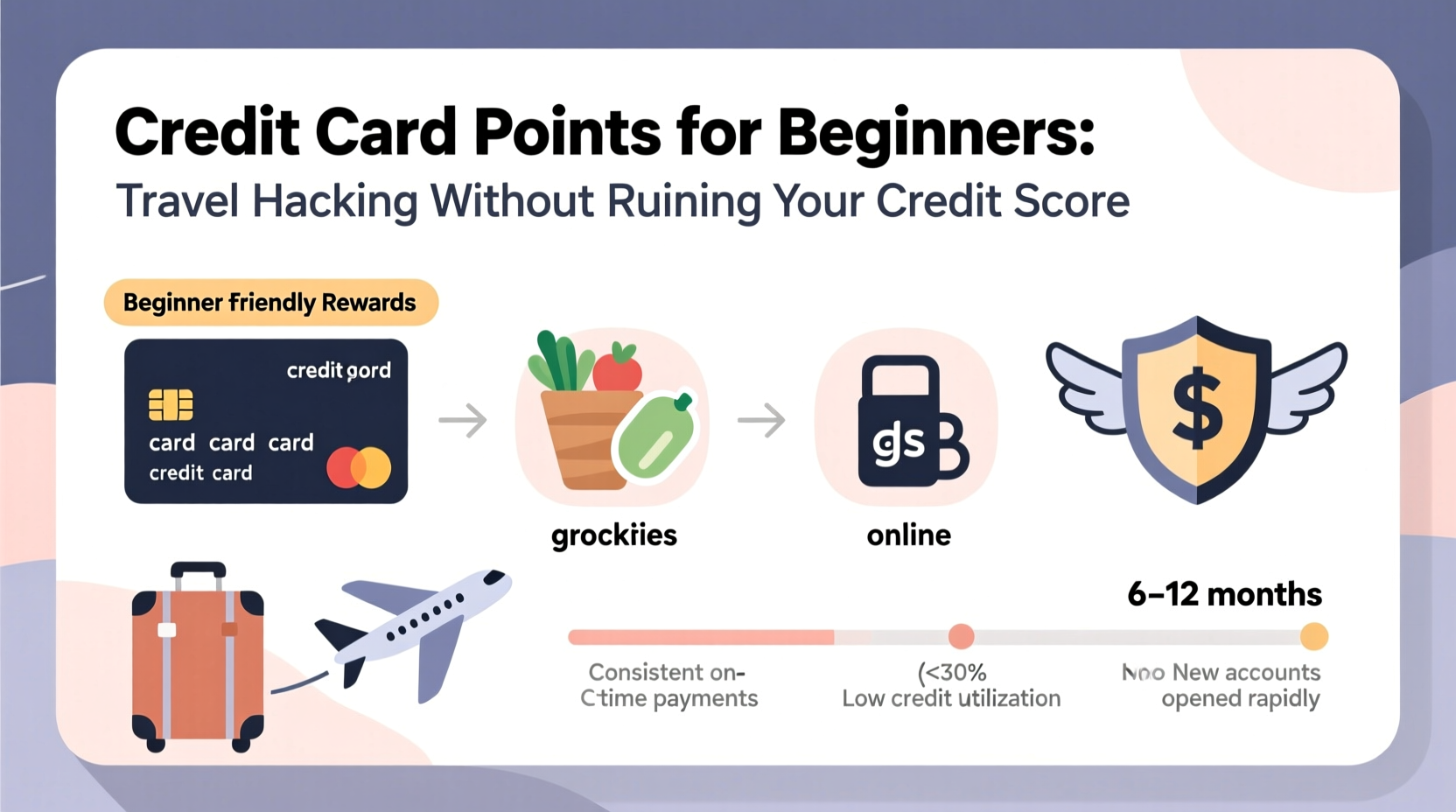
Credit card points are a form of reward currency earned when you use a rewards credit card. Every dollar spent typically earns a certain number of points, which can later be redeemed for travel, gift cards, statement credits, or other perks. Travel-focused cards often offer bonus points on categories like dining, airfare, and hotel stays.
For example, many travel cards offer 3x points per dollar on travel purchases and 2x on dining. Some come with generous sign-up bonuses—such as 60,000 points after spending $4,000 in the first three months. These bonuses alone can cover a round-trip domestic flight.
Points systems vary by issuer:
- Fixed-value points: Offer consistent redemption rates (e.g., 1 cent per point toward travel).
- Transferable points: Can be moved to airline or hotel loyalty programs, often unlocking much higher value (e.g., Chase Ultimate Rewards®, American Express Membership Rewards®).
- Co-branded airline/hotel cards: Tied directly to one brand (like United or Hilton) and best for loyal customers.
The most powerful travel hacking comes from transferable points because they offer flexibility and the potential for outsized redemptions. For instance, transferring 50,000 points to an airline partner might book a $1,000 international business class ticket—a value of 2 cents per point or more.
Avoiding Credit Score Damage While Maximizing Rewards
One of the biggest fears among beginners is that applying for multiple credit cards will hurt their credit score. While it’s true that each application triggers a hard inquiry—which can temporarily lower your score—the impact is usually minor and short-lived. More importantly, responsible credit management can actually improve your credit over time.
Your credit score is determined by five main factors:
- Payment history (35%): Always pay on time—this is non-negotiable.
- Credit utilization (30%): Keep balances below 30% of your limit; ideally under 10%.
- Length of credit history (15%): Older accounts help your score, so don’t close them prematurely.
- Credit mix (10%): Having different types of credit (revolving and installment) helps slightly.
- New credit (10%): Multiple applications in a short period can raise red flags.
The good news? Opening new credit cards can increase your total available credit, which lowers your overall utilization ratio—a positive for your score—as long as you don’t increase spending recklessly.
“Used wisely, credit cards are one of the most powerful tools for building credit and accessing travel rewards. The danger isn’t in having multiple cards—it’s in carrying balances.” — Sarah Johnson, Certified Financial Planner
Step-by-Step Guide to Starting Travel Hacking Safely
You don’t need to be a finance expert to get started. Follow this timeline to begin earning points without risking your credit health.
- Assess your current financial situation: Ensure you have a stable income, an emergency fund, and no high-interest debt. Travel hacking works only if you can pay off your balance in full every month.
- Check your credit score: Most travel cards require good to excellent credit (typically 670+ FICO). Use free tools like Credit Karma or your bank’s portal to review your score.
- Pick your first card: Choose a beginner-friendly card with a strong sign-up bonus and low or no annual fee. Examples include the Chase Freedom Unlimited® or Capital One Venture X Rewards Credit Card (if you qualify).
- Meet the minimum spend requirement: Plan your spending to hit the threshold within the first few months. Use recurring bills (utilities, subscriptions) and everyday purchases—but never spend money you wouldn’t normally spend.
- Pay off the balance immediately: Set up autopay or calendar reminders to ensure you never carry a balance.
- Track your rewards: Use spreadsheets or apps like AwardWallet to monitor points, expiration dates, and upcoming renewal fees.
- Consider your next move: After 6–12 months, evaluate whether to apply for another card based on new offers and your evolving travel goals.
Do’s and Don’ts of Responsible Travel Hacking
| Do | Don’t |
|---|---|
| Apply for cards only when you can meet the minimum spend responsibly | Sign up for cards just for the bonus without a plan |
| Use alerts or autopay to avoid late payments | Miss a payment—even once |
| Keep old credit accounts open to maintain credit age | Close your oldest card after getting a new one |
| Redeem points for high-value travel redemptions (e.g., international business class) | Cash out points at low valuations (e.g., 0.5 cents per point) |
| Monitor your credit utilization monthly | Max out your cards, even if you plan to pay them off |
Real Example: How Emily Booked a Free Trip to Tokyo
Emily, a 29-year-old graphic designer with a stable job and a 740 credit score, wanted to visit Japan but didn’t want to spend $1,500 on flights. She had no experience with credit card rewards but decided to learn the basics.
She started by opening the Chase Sapphire Preferred® Card, which offered 60,000 points after spending $4,000 in three months. She reviewed her budget and identified $3,200 in regular expenses: rent (via a service that accepts credit cards), groceries, insurance, and utilities. She charged these plus a few dinners out and hit the minimum spend by month two.
She paid off the balance in full each month. With 60,000 points, she transferred them to United MileagePlus through Chase’s partnership. A search revealed a round-trip flight from San Francisco to Tokyo in off-peak season for 65,000 miles. She paid the difference with cash and saved over $1,200.
Over the next year, she added one more card with a hotel bonus and earned enough for two free nights in Kyoto. Her credit score actually improved—from 740 to 765—because her overall utilization dropped with increased credit limits and consistent on-time payments.
Emily didn’t take on debt, didn’t overspend, and now travels smarter. Her story isn’t unique—it’s replicable with discipline and planning.
Essential Checklist for New Travel Hackers
Before applying for your first rewards card, go through this checklist to ensure you’re ready:
- ✅ I pay all my bills on time, every time
- ✅ I have no credit card debt or am actively paying it off
- ✅ I can pay off my full statement balance each month
- ✅ My credit score is 670 or higher
- ✅ I understand the annual fee and whether the benefits outweigh it
- ✅ I’ve researched the card’s bonus categories and redemption options
- ✅ I’m not applying for multiple cards in a single day
- ✅ I’ve set up payment reminders or autopay
Frequently Asked Questions
Can I really travel for free using credit card points?
Yes—but “free” means you’re earning points through normal spending, not avoiding all costs. With strategic use of sign-up bonuses and category bonuses, many travelers cover flights, hotels, and even experiences without paying cash. However, you still need to pay annual fees, taxes, and incidental costs.
How many credit cards should I have as a beginner?
Start with one. Focus on learning how to manage it responsibly before adding another. Many successful travel hackers use 2–4 cards at a time. The goal isn’t to collect cards but to maximize rewards on spending you already do.
What happens if I can’t pay my balance in full?
If you carry a balance, interest charges will likely erase any rewards value—and damage your finances. Credit card interest rates average 20% or more. If you can’t pay in full, stop using the card for rewards and focus on paying down debt first. Travel hacking is not for people living paycheck to paycheck without a buffer.
Final Thoughts: Smart Travel Starts with Smart Credit Habits
Earning credit card points for travel isn’t about gaming the system—it’s about optimizing your existing spending to get more value. When done correctly, travel hacking enhances your lifestyle without introducing financial risk. In fact, disciplined users often see their credit scores rise as they build a stronger payment history and improve their utilization ratios.
The foundation of successful travel hacking is simple: spend within your means, pay on time, and never let rewards tempt you into debt. Start small, track your progress, and gradually expand your strategy as you gain confidence.
There’s no better time to begin than now. Whether your dream is a weekend getaway in Charleston or a long-haul flight to Bali, the right credit card strategy can make it happen—without costing you extra or hurting your credit.




 浙公网安备
33010002000092号
浙公网安备
33010002000092号 浙B2-20120091-4
Comments
No comments yet. Why don't you start the discussion?