
For those navigating low-carb, ketogenic, or gluten-free diets, finding satisfying, crunchy snacks can be a persistent challenge. Traditional crackers, made from refined grains, are high in carbohydrates and often leave health-conscious eaters feeling deprived. Enter cauliflower-based crackers: a nutrient-dense, low-carbohydrate alternative that delivers crispness, versatility, and clean-label appeal. These aren’t novelty foods—they’re a practical solution grounded in culinary science and nutritional strategy. With their neutral base flavor and structural integrity when baked correctly, cauliflower crackers bridge the gap between dietary restriction and sensory satisfaction. As interest in plant-forward, carb-conscious eating grows, so does the demand for real-food alternatives that don’t compromise on texture or taste. This article explores the why, how, and what of making and using crispy cauliflower-based crackers at home, offering actionable techniques, ingredient insights, and professional tips to ensure success every time.
Definition & Overview
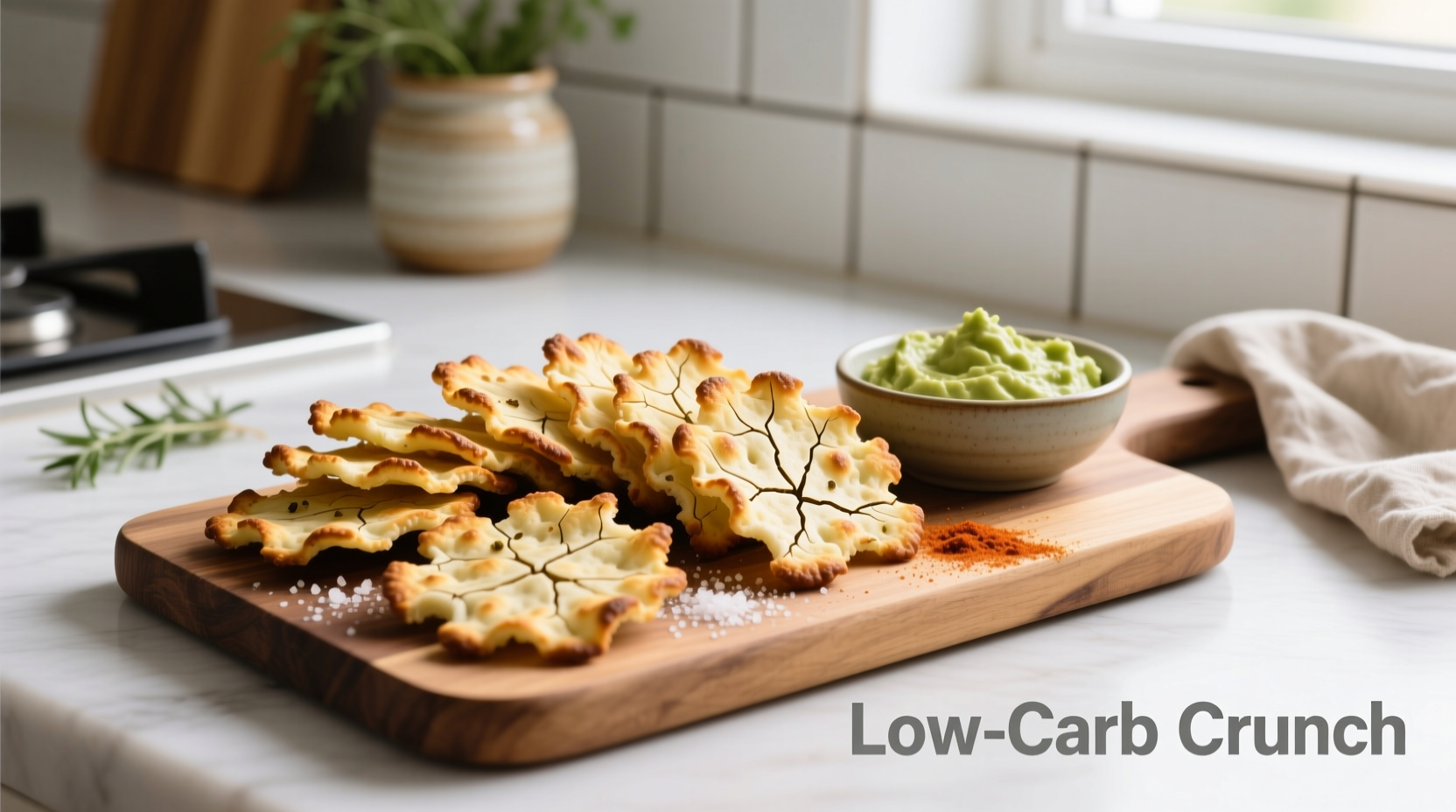
Cauliflower-based crackers are thin, baked crisps primarily composed of riced cauliflower, binding agents (such as egg or cheese), and seasonings. Unlike grain-based crackers, they contain minimal to no flour, relying instead on the natural starch and moisture content of cauliflower, which is reduced through cooking and dehydration. The result is a light, crisp, savory bite suitable for dipping, topping, or standalone snacking. Originating from the broader wave of vegetable-based food innovations in the 2010s, these crackers gained traction alongside cauliflower rice, pizza crusts, and tortillas. They fall under the category of functional baked goods—foods engineered to meet specific dietary goals without sacrificing palatability.
The flavor profile is inherently mild, allowing customization through added herbs, spices, seeds, or fermented dairy. Their color ranges from pale ivory to golden brown, depending on baking time and ingredients like Parmesan or nutritional yeast. Texturally, well-made versions achieve a delicate snap similar to artisan water crackers, though overbaking can lead to brittleness, while underbaking results in chewiness. When properly prepared, they maintain structural integrity even when paired with moist dips such as hummus, guacamole, or labneh.
Key Characteristics
| Characteristic | Description |
|---|---|
| Flavor | Mild, slightly nutty; easily enhanced with seasonings |
| Aroma | Toasted, savory; especially pronounced when cheese or garlic is added |
| Color/Form | Thin, round or irregular shards; golden when optimally baked |
| Heat Level | Non-pungent unless spiced (e.g., cayenne, smoked paprika) |
| Culinary Function | Snacking, dipping, appetizer base, gluten-free/carb-conscious substitute |
| Shelf Life | 3–5 days in an airtight container at room temperature; up to 1 week refrigerated |
| Carbohydrate Content | Approx. 2–4g net carbs per 10 crackers (varies by recipe) |
Practical Usage: How to Make and Use Cauliflower Crackers
Creating effective cauliflower crackers requires understanding moisture management—the single most critical factor in achieving crispness. Raw cauliflower is approximately 92% water. To transform it into a cracker, this moisture must be significantly reduced before shaping and baking. Failure to do so results in steamed, floppy discs rather than crisp snacks.
Step-by-Step Preparation Guide
- Rice the cauliflower: Pulse fresh cauliflower florets in a food processor until resembling rice grains. Avoid over-processing into paste.
- Cook and dehydrate: Steam or microwave the riced cauliflower for 4–5 minutes, then spread evenly on a parchment-lined tray. Bake at 375°F (190°C) for 15–20 minutes, stirring occasionally, until visibly dry and reduced in volume by half.
- Squeeze out excess moisture: Transfer cooked cauliflower to a clean kitchen towel or cheesecloth. Twist and press firmly to extract as much liquid as possible. This step is non-negotiable—up to 1/2 cup of water can be removed per head of cauliflower.
- Bind and season: In a bowl, combine the dried cauliflower with 1 large egg (or flax egg for vegan), 1/4 cup grated Parmesan or nutritional yeast, 1/2 tsp garlic powder, 1/2 tsp onion powder, 1/4 tsp salt, and optional additions like sesame seeds or rosemary.
- Shape thinly: Line a baking sheet with parchment paper. Spread the mixture in a very thin, even layer (no more than 1/8 inch thick). Use an offset spatula or rolling pin covered in plastic wrap for uniformity.
- Bake slowly: Bake at 325°F (160°C) for 45–60 minutes, rotating the pan halfway, until golden and crisp. The lower temperature prevents burning while ensuring complete dehydration.
- Break and cool: Remove from oven and score into squares or rustic shards while still warm. Let cool completely before breaking apart—this allows final crisping.
Pro Tip: For extra crunch, turn off the oven after baking and let the crackers remain inside with the door slightly ajar for 30 minutes. Residual heat continues drying without browning further.
Once prepared, cauliflower crackers serve multiple roles in the kitchen. They function as dippers for tzatziki, olive tapenade, or spinach-artichoke spread. Top them with smoked salmon and crème fraîche for elegant hors d'oeuvres. Crumble over salads for textural contrast—similar to croutons but without the carbs. Their neutrality makes them ideal carriers for bold flavors, whether Mediterranean (oregano, lemon zest), umami-rich (miso, tamari, sesame), or spicy (chipotle, cumin).
Variants & Types
While the basic formula remains consistent, variations allow customization based on dietary needs and flavor preferences. Below are common types used in both home and professional kitchens:
- Cheese-Enhanced Crackers: Incorporate hard cheeses like Pecorino Romano or aged cheddar for increased fat content, browning, and savory depth. Ideal for keto diets due to higher fat-to-carb ratio.
- Vegan/Plant-Based: Replace egg with flaxseed gel (1 tbsp ground flax + 3 tbsp water) and use nutritional yeast instead of cheese. May require longer baking to compensate for lower protein binding.
- Seed-Flecked: Add chia, flax, sunflower, or pumpkin seeds for crunch and omega-3s. Seeds also improve structural integrity and reduce breakage.
- Herbed & Spiced: Infuse with dried rosemary, thyme, za’atar, or curry powder. Best added during the seasoning phase for even distribution.
- Dehydrator Version: For maximum crispness and shelf life, use a food dehydrator at 115°F (46°C) for 6–8 hours. This method preserves enzymes and yields a lighter texture but takes longer than oven baking.
| Type | Best For | Texture | Net Carbs (per 10 crackers) |
|---|---|---|---|
| Classic Cheese | Keto, entertaining | Firm, crisp, slightly buttery | ~3g |
| Vegan Nutritional Yeast | Plant-based, allergen-friendly | Light, airy, mildly tangy | ~4g |
| Seeded Multigrain-Style | Fiber boost, heart health | Crunchy, granular | ~5g |
| Spicy Chipotle-Lime | Flavor-forward snacking | Sharp crisp, slight chew if thick | ~3.5g |
Comparison with Similar Ingredients
Cauliflower crackers are frequently compared to other low-carb or vegetable-based snacks. Understanding differences ensures proper usage and sets realistic expectations.
- vs. Almond Flour Crackers: Almond flour versions are richer, higher in fat, and naturally crisp due to nut flour’s low moisture. They lack the vegetal freshness of cauliflower but offer better shelf stability. Use almond flour for buttery, shortbread-like textures; choose cauliflower for lighter, more neutral bases.
- vs. Flaxseed Crackers: Flax-based crackers are denser, seedier, and higher in fiber and omega-3s. They brown quickly and have a distinct earthy taste. Better suited for robust toppings like pâté or avocado mash.
- vs. Store-Bought Veggie Chips: Commercial “veggie” chips often contain potato starch, corn, or rice flour, undermining low-carb claims. Homemade cauliflower crackers use whole-food ingredients with transparent sourcing.
- vs. Coconut Flour Crackers: Coconut flour absorbs extreme moisture and requires more eggs. Results are drier and sweeter unless masked with strong seasonings. Not ideal for savory applications unless balanced with acid or spice.
“The key to great cauliflower crackers isn’t just the recipe—it’s moisture control. I teach my students to treat riced cauliflower like wet sand: if it holds a shape when squeezed, it’s ready. If water drips, it’s not.” — Chef Elena Ruiz, Culinary Instructor, Natural Gourmet Institute
Practical Tips & FAQs
How do I prevent my crackers from turning out chewy?
Chewiness indicates residual moisture. Ensure thorough pre-cooking and aggressive squeezing. Baking at too high a temperature can create a crisp exterior with a soft interior—opt for slow, low-temperature baking (300–325°F) and extend time if needed.
Can I freeze cauliflower crackers?
Yes. Once fully cooled, store in a freezer-safe bag for up to 2 months. Re-crisp in a 300°F oven for 5–7 minutes before serving. Freezing is best for batch preparation—ideal for meal preppers or intermittent entertainers.
Are these really low-carb?
One medium head of cauliflower (approx. 700g) contains about 50g total carbohydrates, but 25g come from fiber, resulting in ~25g net carbs. Divided into 100 crackers, that’s 0.25g net carbs per cracker. Additives like cheese or seeds may increase this slightly, but overall, they remain one of the lowest-carb cracker options available.
What can I use instead of eggs?
For binding, try:
- 1 tbsp ground flaxseed + 3 tbsp water (let sit 5 mins)
- 2 tbsp unsweetened applesauce (adds moisture—reduce other liquids)
- 3 tbsp aquafaba (chickpea brine), whipped to foam
- 1 tbsp psyllium husk + 3 tbsp water (excellent binder, adds fiber)
Why did my cracker dough crack while spreading?
This usually occurs when the mixture is too dry. After squeezing, the cauliflower should retain some pliability—not crumble like sawdust. If too dry, mix in 1 tsp olive oil or a small amount of unsweetened almond milk to restore cohesion.
Can I make these nut-free?
Absolutely. The base ingredients (cauliflower, egg, seasonings) are naturally nut-free. Just ensure any added cheese or substitutes are processed in nut-free facilities if allergies are a concern.
Storage Checklist:
☐ Cool completely before storing
☐ Use airtight glass or BPA-free plastic container
☐ Include a silica packet to absorb ambient moisture
☐ Keep away from humidity (not above the stove or sink)
☐ Refresh in oven at 300°F for 3–5 minutes if softening occurs
Summary & Key Takeaways
Crispy cauliflower-based crackers represent a convergence of nutrition, technique, and culinary creativity. They offer a viable, tasty alternative to traditional grain crackers for those limiting carbohydrates due to medical, metabolic, or lifestyle choices. Success hinges on moisture reduction—through cooking, squeezing, and slow baking—followed by thoughtful seasoning and storage.
These crackers are not mere imitations; they are a distinct food category with unique properties. Their adaptability allows for endless flavor profiles and dietary modifications, from vegan to keto-compliant. Whether served at a dinner party or packed in a lunchbox, they deliver crunch, satisfaction, and peace of mind.
Home cooks should approach them with patience and precision, treating them more like delicate flatbreads than drop cookies. With practice, the process becomes routine, yielding batches that rival commercial products in quality while surpassing them in ingredient integrity.




 浙公网安备
33010002000092号
浙公网安备
33010002000092号 浙B2-20120091-4
Comments
No comments yet. Why don't you start the discussion?