
In an age where digital theft is as common as physical pickpocketing, choosing the right wallet isn’t just about style or convenience—it’s about security. Two popular options dominate the market: crossbody wallet phone cases and RFID blocking wallets. One promises all-in-one portability, the other emphasizes data defense. But when it comes to keeping your money, ID, and personal information truly safe, which option wins?
The answer isn't always straightforward. Each product serves different needs, and understanding their strengths—and limitations—is essential for making a smart choice.
Understanding the Threats You’re Up Against
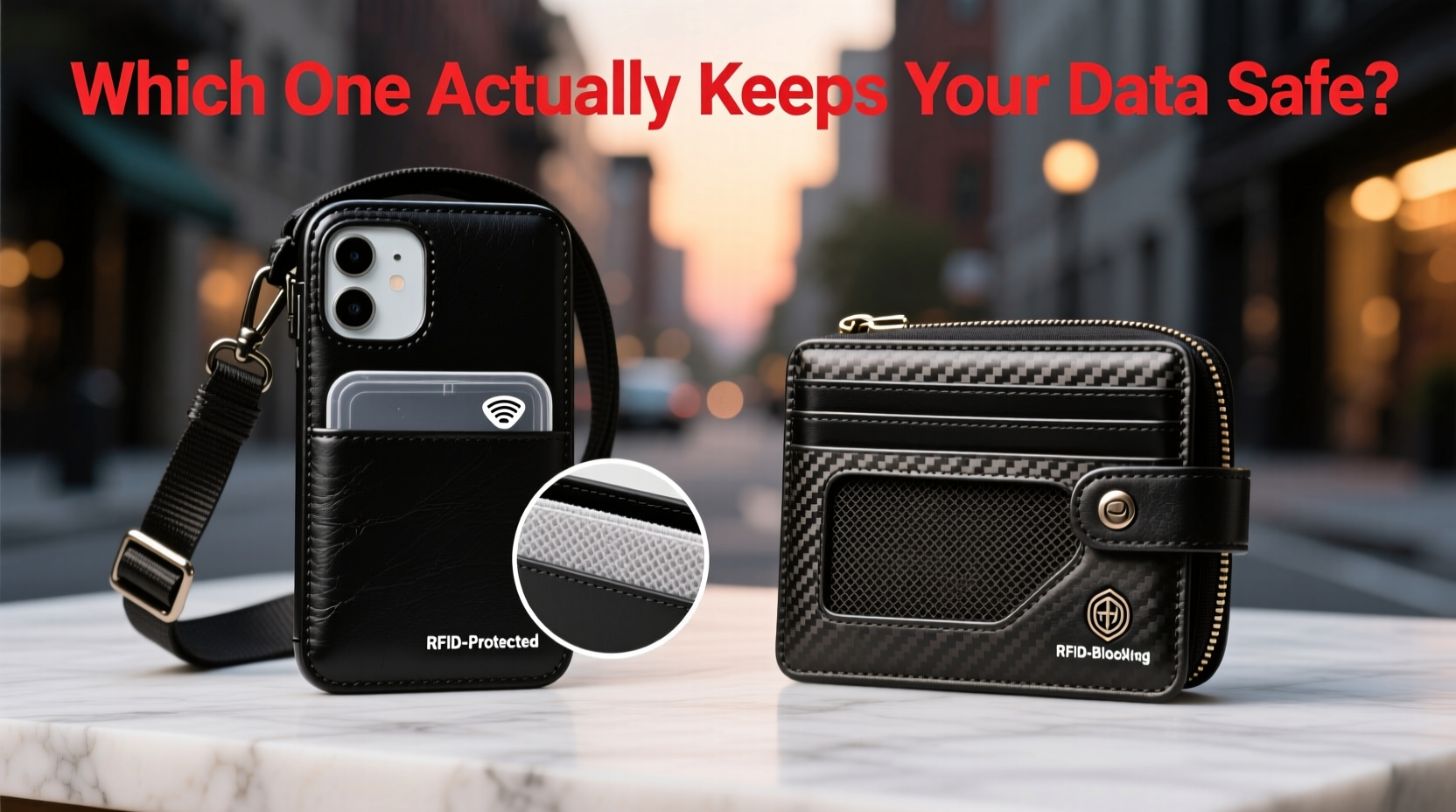
Before comparing products, it's important to recognize what you're protecting yourself from. Modern threats fall into two main categories: physical theft and digital skimming.
Physical theft includes pickpocketing, bag snatching, or losing your wallet in public spaces. This is where design, wearability, and accessibility matter most.
Digital theft, on the other hand, involves RFID (Radio Frequency Identification) skimming. Thieves use handheld scanners to wirelessly steal data from contactless credit cards, passports, and transit cards. While not as common as media sometimes suggests, the risk is real—especially in crowded areas like airports, subways, and festivals.
“RFID skimming is low-tech but effective in high-density environments. A layered approach to security—both physical and digital—is the best defense.” — Dr. Lena Torres, Cybersecurity Researcher at Urban Privacy Labs
Crossbody Wallet Phone Cases: Convenience Meets Wearability
A crossbody wallet phone case combines your smartphone holder with a slim wallet, typically worn diagonally across the chest. These are favored by travelers, urban commuters, and minimalists who want everything in one visible, accessible place.
Key features include:
- Integrated card slots (usually 2–4)
- Clear window for boarding passes or IDs
- Adjustable strap for secure fit
- Hands-free mobility
Their biggest advantage is visibility and control. Because the case stays in front of you, it's harder for pickpockets to access unnoticed. The constant proximity also reduces the chance of accidental loss.
However, most crossbody phone cases do not offer built-in RFID protection unless explicitly advertised. The materials used—often silicone, plastic, or thin fabric—are not designed to block radio signals. This means your contactless cards remain vulnerable to unauthorized scanning.
Real Example: Traveler’s Dilemma in Tokyo
Sophie, a frequent traveler, relied on her crossbody phone case during a trip to Tokyo. It kept her phone, metro card, and hotel key handy while navigating crowded trains. However, upon returning home, she discovered small unauthorized charges on her contactless Visa. Her bank confirmed the transactions originated overseas—likely skimmed during rush hour. Though the amount was refunded, the incident highlighted a gap in her security setup: no RFID shielding.
RFID Blocking Wallets: Built for Digital Defense
An RFID blocking wallet uses specialized materials—like aluminum alloy, carbon fiber, or metallic mesh—to create a Faraday cage around your cards. This blocks electromagnetic fields, preventing scanners from reading your card data.
These wallets come in various styles: bifold, trifold, minimalist metal sleeves, and even passport holders. Their primary purpose is data protection, not necessarily convenience.
Independent tests show that properly constructed RFID wallets can block signals up to 13.56 MHz—the frequency used by most contactless payment systems. However, effectiveness depends on build quality. Poorly sealed designs or damaged linings can leave gaps.
How to Test Your RFID Wallet
- Place your contactless card inside the wallet.
- Hold it near a payment terminal or RFID reader.
- If the terminal doesn’t detect the card, the shielding works.
- Repeat with the card outside the wallet to confirm it’s functional.
While excellent for data security, many RFID wallets lack versatility. They don’t hold phones, aren’t wearable, and may be easily misplaced if carried loosely in a pocket or bag.
Head-to-Head Comparison
| Feature | Crossbody Wallet Phone Case | RFID Blocking Wallet |
|---|---|---|
| Physical Theft Protection | High – worn securely on body | Low to Medium – easily lost or stolen from pocket |
| Digital Skimming Protection | Low – unless specifically shielded | High – blocks RFID signals effectively |
| Convenience & Accessibility | High – phone and cards together | Medium – requires separate carry |
| Travel-Friendly | Very – ideal for airports, cities | Moderate – good for documents, less for movement |
| Style & Discretion | Visible, fashion-forward | Discreet, low-profile |
| Phone Integration | Yes – built-in phone case | No – separate device |
Best Practice: Combine Both for Maximum Security
Rather than choosing one over the other, the most effective strategy is to use both tools together. Pair an RFID blocking wallet insert with a crossbody phone case for comprehensive protection.
Here’s how:
- Use a slim RFID-blocking cardholder for your essential cards (credit, ID).
- Insert it into the wallet compartment of your crossbody phone case.
- Keep non-contactless cards or backups in a separate, secure location.
- Ensure the blocking sleeve fully encloses the cards—no exposed edges.
This hybrid solution gives you:
- Active defense against digital skimming
- Constant physical control over your valuables
- Quick access without compromising safety
Frequently Asked Questions
Can someone really steal my credit card info through RFID?
Yes, but it’s not as easy or widespread as some fear. Successful skimming requires close proximity (within 2–4 inches) and specialized equipment. Most incidents occur in dense, distracted crowds. While the risk is relatively low, the potential impact makes prevention worthwhile—especially for frequent travelers.
Do all crossbody phone cases have RFID protection?
No. Only models specifically labeled as “RFID protected” include shielding materials. Most standard versions prioritize form and function over data security. Always check product specifications before assuming protection.
Are RFID blocking wallets worth it?
For individuals using contactless cards regularly—especially those traveling internationally or living in high-density cities—yes. They add a low-cost layer of digital security. However, they should complement, not replace, vigilant habits like monitoring bank statements and freezing unused cards.
Final Recommendation: Layered Security Wins
When it comes to protecting your belongings, relying on a single solution is risky. A crossbody wallet phone case excels at preventing physical loss and offering convenience, but falls short on digital defense. An RFID blocking wallet counters wireless threats but lacks wearability and integration.
The truth is, neither option alone provides complete safety. The most secure approach is strategic layering: combine a well-designed crossbody case with an RFID-shielded cardholder. This way, you benefit from constant physical control and robust digital protection.
Also consider behavioral safeguards: disable contactless payments on rarely used cards, set transaction alerts, and carry only what you need for the day.
“Security isn’t about one perfect product—it’s about creating multiple barriers that make theft more difficult than it’s worth.” — Marcus Reed, Former Law Enforcement Officer & Personal Safety Consultant
Take Action Today
Your wallet holds more than cash—it holds your identity, access, and financial freedom. Don’t leave its protection to chance. Audit your current carry setup. If you’re using a crossbody phone case without RFID shielding, add a protective sleeve. If you rely solely on an RFID wallet, consider upgrading to a wearable system for better physical security.




 浙公网安备
33010002000092号
浙公网安备
33010002000092号 浙B2-20120091-4
Comments
No comments yet. Why don't you start the discussion?