
In recent years, a whimsical trend has taken root across social media, baking communities, and animation platforms: the rise of cute animated cinnamon roll characters. These stylized, personified pastries—complete with expressive eyes, soft smiles, and swirled bodies mimicking real cinnamon rolls—have become cultural icons in digital art and food storytelling. While not edible themselves, these characters inspire bakers, illustrators, and storytellers by merging culinary aesthetics with emotional appeal. Understanding their design language, cultural significance, and practical applications offers valuable insight into how food symbolism shapes modern visual culture—and how home creators can harness this trend creatively.
Definition & Overview
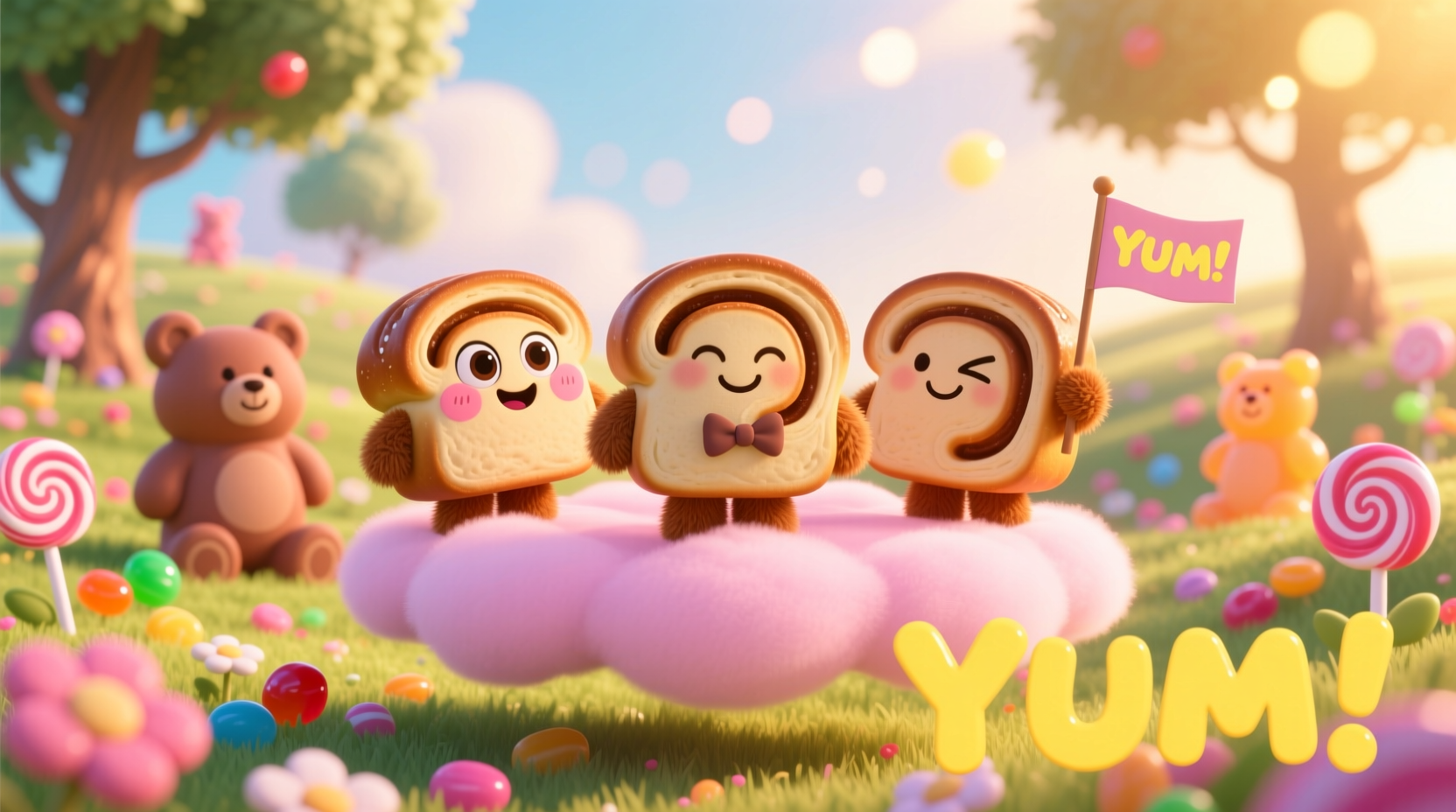
Cute animated cinnamon roll characters are fictional, anthropomorphized representations of the classic baked good—a spiral-layered sweet roll made from yeast-leavened dough, generously filled with cinnamon and sugar, often topped with icing. In animation and illustration, these characters retain the essential visual traits of a real cinnamon roll: a coiled, golden-brown body, soft texture cues, and warm color tones. However, they are given human-like features such as large expressive eyes, small limbs, and friendly facial expressions that evoke warmth, comfort, and innocence.
The concept draws heavily from Japanese kawaii (cute) aesthetics, Scandinavian folk art influences, and Western cartoon traditions. The first widely recognized example emerged in the 2018 web series *“Cinnamoroll”* by Sanrio, but independent artists and animators have since expanded the archetype globally. These characters frequently appear in short-form animations, children’s books, baking blogs, and even branding for bakeries and food products.
Unlike literal depictions of food, cute animated cinnamon roll characters serve an emotional and narrative function. They embody feelings of homeliness, sweetness, and nurturing energy—qualities closely associated with both the aroma of freshly baked pastries and the act of sharing food. Their popularity reflects a broader cultural desire for comfort, simplicity, and emotional safety in digital spaces.
Key Characteristics
| Attribute | Description |
|---|---|
| Visual Form | Spiral-shaped body resembling a cut cinnamon roll; typically viewed from the side or front with visible layers. |
| Color Palette | Warm browns, golden yellows, cream whites; icing is usually white or pale pink/blue in stylized versions. |
| Facial Features | Large round eyes, simple mouth (often smiling), no nose or minimal nose detail; eyebrows may convey emotion. |
| Texture Representation | Soft shading to suggest pillowy dough; subtle highlights on icing to imply glossiness. |
| Movement Style (in Animation) | Bouncy, slow motions; gentle wobbling to mimic softness; rolling or floating locomotion. |
| Emotional Tone | Innocent, kind, comforting, slightly shy or dreamy; rarely aggressive or mischievous. |
| Culinary Accuracy | Loosely based on real cinnamon rolls but exaggerated for cuteness; not intended as realistic food models. |
Practical Usage in Creative Fields
While cute animated cinnamon roll characters do not exist in physical form, their influence extends into tangible creative practices, especially in baking, illustration, and brand development. Creators use them as conceptual blueprints to design themed desserts, children's content, or marketing assets that resonate emotionally with audiences.
1. Baking & Pastry Design Inspiration
Bakers increasingly reference animated cinnamon roll characters when crafting novelty pastries for holidays, birthdays, or bakery displays. Though the final product remains a standard cinnamon roll, decorators enhance presentation using:
- Fondant or marzipan facial features applied post-bake
- Colored icing “hair” or accessories (e.g., tiny hats or bows)
- Miniature props like edible signs or furniture for display setups
- Character-themed packaging for gift boxes or café menus
For instance, a bakery might create a \"Cinnamon Buddy\" line where each roll has hand-piped eyes and a smile, named characters like “Swirlie” or “Bun-Bun,” marketed toward families and children. This approach increases perceived value and shareability on social media.
2. Digital Illustration & Animation
Artists use animation software (such as Adobe After Effects, Toon Boom, or Krita) to bring these characters to life. Key techniques include:
- Designing the Spiral Core: The body must maintain its coiled structure while allowing flexibility for movement. Animators often treat the spiral as a central spine, deforming outer layers slightly during motion.
- Facial Rigging: Eyes and mouths are rigged separately so expressions can shift smoothly between happy, sleepy, surprised, or curious.
- Material Simulation: Using soft lighting and bloom effects to simulate the sheen of buttery dough and sticky icing.
- Sound Design: Accompanying sounds often include gentle chimes, soft squishes, or humming noises to reinforce tactile softness.
TIP: When designing your own animated cinnamon roll character, start with a basic circular coil divided into five to seven visible layers. Attach the face near the top layer, leaving space below for implied “legs” or a floating base. Use squash-and-stretch principles to animate bounces without breaking structural integrity.
3. Branding & Merchandising
Food brands and indie creators leverage the appeal of these characters for product identity. Examples include:
- Instant oatmeal packets featuring mascot-style cinnamon roll figures
- Children’s cookware sets with printed character themes
- Merchandise like plush toys, stickers, or mugs shaped like smiling cinnamon rolls
- Educational apps teaching kids about baking through animated stories
These applications rely on the character’s non-threatening, wholesome image to build trust and emotional connection—especially effective in markets targeting young children or promoting comfort foods.
Variants & Types
Just as real cinnamon rolls vary by region and recipe, animated versions come in distinct types tailored to different artistic styles and cultural contexts.
A. Classic Sweet Swirl
The most common variant. Features a traditional cinnamon-sugar filling, vanilla glaze, and neutral expression. Often used in general-purpose illustrations or beginner tutorials. Color scheme stays within warm earth tones.
B. Gourmet-Inspired
Reflects artisanal flavors such as cardamom-orange, maple-pecan, or brown butter. These characters may wear tiny aprons, chef hats, or carry miniature rolling pins. Used in high-end bakery promotions or cooking videos.
C. Seasonal Editions
Adapted for holidays: red and green icing for Christmas, pastel drizzle for Easter, or spooky faces for Halloween. May temporarily deviate from the “cute” norm but return to core traits afterward.
D. Fusion Hybrids
Combines the cinnamon roll form with other creatures or objects—e.g., a cat-cinnamon roll hybrid with swirled ears and tail, or a robot version with mechanical coils. Common in speculative fiction or fantasy animation.
E. Mini Rolls (Cinna-Pets)
Smaller companion characters, often depicted as siblings or pets to a main roll. Useful in storytelling for adding dynamics like curiosity, playfulness, or comic relief.
| Variant Type | Best Used For | Design Notes |
|---|---|---|
| Classic Sweet Swirl | General branding, educational content | Focus on clarity and universal recognition |
| Gourmet-Inspired | Premium products, culinary storytelling | Add subtle sophistication without losing warmth |
| Seasonal Editions | Holiday campaigns, limited-time offers | Leverage color psychology and festive symbols |
| Fusion Hybrids | Entertainment media, fan art, games | Balancing food traits with creature logic |
| Mini Rolls | Narrative ensembles, toy lines | Scale down features proportionally; exaggerate cuteness |
Comparison with Similar Food Characters
Cute animated cinnamon roll characters are sometimes confused with other personified baked goods. While they share stylistic roots, key differences define their unique role.
| Character Type | Distinguishing Traits | When to Use Instead of Cinnamon Roll |
|---|---|---|
| Donut Characters | Round shape with hole; often more playful or mischievous; bold colors and sprinkles | For energetic, fun-first branding (e.g., coffee shops, arcades) |
| Pancake Stacks | Layered flat discs; slower movement; cozy but less mobile | Breakfast-themed content emphasizing comfort over action |
| Cupcake Characters | Clearly defined wrapper and frosting peak; often feminine-coded; fashion-forward | Party themes, girl-centric narratives, dessert fashion parodies |
| Toast or Bread Slice | Angular, rigid form; drier texture cues; more comedic or sarcastic tone | Humor strips, satire, or tech metaphors (“burnt toast” as failure) |
| Cinnamon Roll | Spiral body, soft curves, warm palette; nurturing presence; emotionally safe | Stories about kindness, healing, family, or quiet joy |
“The cinnamon roll character is the culinary equivalent of a warm hug. Its spiral isn’t just a shape—it’s a metaphor for comfort folding in on itself, protecting what’s inside.” — Elena Torres, Character Designer at HearthBake Studios
Practical Tips & FAQs
Q: Can I legally use a cute cinnamon roll character in my bakery’s logo?
A: Yes, provided you create an original design. Avoid copying existing copyrighted characters like Sanrio’s Cinnamoroll. Work with a graphic designer to develop a unique look that aligns with your brand voice.
Q: How can I make my cinnamon rolls look more “character-like” without fondant?
A: Use precision piping. Apply two dots of chocolate or cocoa paste for eyes and a curved line for a smile once the roll is glazed. Keep icing slightly runny so it appears shiny and fresh, enhancing lifelike appeal.
Q: Are there plant-based versions suitable for vegan branding?
A: Absolutely. Vegan cinnamon rolls made with flax eggs, almond milk, and dairy-free butter can be styled identically. In animations, this dietary aspect can be subtly highlighted—e.g., a character holding a “plant-powered” sign—to appeal to eco-conscious consumers.
Q: What’s the best software for animating these characters?
A: Beginners should try Krita (free) or OpenToonz. Professionals often use Adobe Animate or Toon Boom Harmony for smoother rigging. For 3D rendering, Blender offers robust tools with a low entry barrier.
Q: How long do these characters stay relevant in marketing?
A: Their timeless association with comfort ensures longevity. However, refresh designs every 2–3 years to avoid stagnation. Introduce seasonal outfits or new mini-characters to keep engagement high.
Q: Can I turn my recipe blog into a story-driven series using these characters?
A: Yes—and it’s highly recommended. Create a protagonist (e.g., “Cinny”) who goes on baking adventures. Each episode or post could explore a new technique, ingredient, or cultural variation, making learning interactive and emotionally engaging.
Checklist: Launching Your Own Cinnamon Roll Character
- Define personality traits (shy? cheerful? wise?)
- Sketch three pose variations (neutral, happy, surprised)
- Choose a signature accessory or color accent
- Create a short backstory (e.g., “Born in a midnight oven, loves rainy mornings”)
- Test visibility at small sizes (for app icons or stickers)
- Ensure design works in black-and-white (for printing)
- Register copyright if used commercially
Summary & Key Takeaways
Cute animated cinnamon roll characters represent more than a passing internet fad—they are a meaningful fusion of food culture and emotional design. Rooted in the universal appeal of warm, homemade pastries, these characters translate sensory pleasure into visual storytelling. Their spiral forms, soft textures, and gentle expressions make them ideal vessels for messages of kindness, care, and belonging.
For creators, bakers, and marketers, leveraging this archetype offers a powerful way to connect with audiences seeking comfort and authenticity. Whether used to elevate dessert presentation, drive a children’s story, or build a memorable brand, the key lies in preserving the essence of what makes a cinnamon roll special: its warmth, its layers, and the quiet joy it brings when shared.
To begin, focus on originality and emotional resonance. Sketch your own character, bake a matching pastry, and tell a small story that ties them together. In doing so, you’re not just participating in a trend—you’re contributing to a growing language of food-based empathy in digital culture.




 浙公网安备
33010002000092号
浙公网安备
33010002000092号 浙B2-20120091-4
Comments
No comments yet. Why don't you start the discussion?