
The return of chunky silhouettes on city sidewalks and social media feeds isn’t a glitch—it’s a full-blown footwear revival. \"Dad shoes,\" with their exaggerated soles and utilitarian designs, now share shelf space with reissued retro sneakers from the '80s and '90s. But what’s driving this resurgence? Is it genuine innovation in comfort and performance, or are we simply romanticizing the past? The answer lies somewhere between biomechanics, branding, and collective memory.
Dad shoes—think Nike Air Monarch, New Balance 990v5, or Adidas Falcon—were once dismissed as fashion casualties of suburban dads and airport security lines. Retro sneakers like the Air Jordan 3 or Reebok Club C, meanwhile, carry cultural weight from basketball courts and hip-hop history. Today, both dominate streetwear collections and influencer wardrobes. To understand whether this trend has staying power or is just a nostalgic bubble, we need to dissect their design, appeal, and real-world function.
The Anatomy of Dad Shoes: Function Over Form?
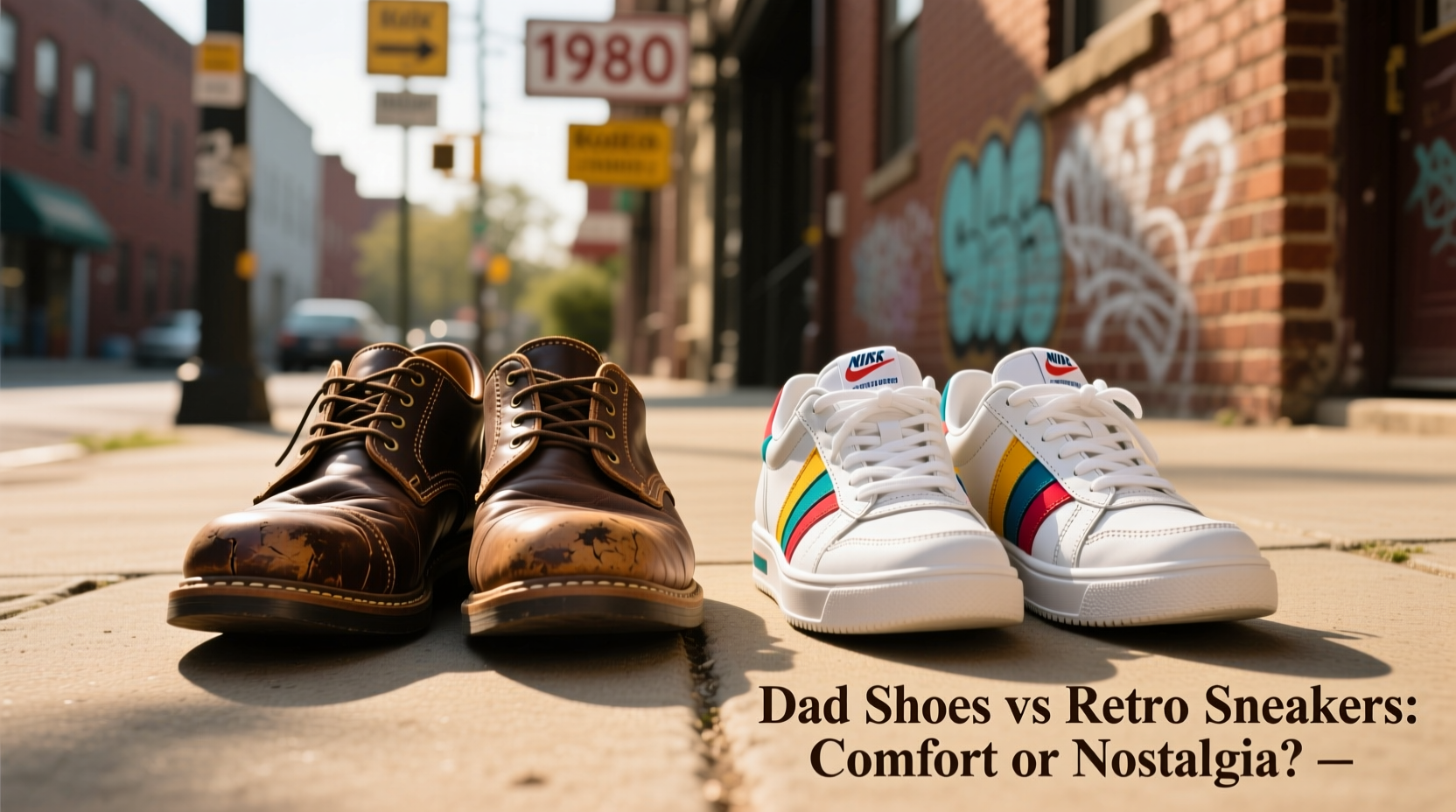
Dad shoes earned their name not for aesthetics but practicality. Originally designed with stability, arch support, and durability in mind, they catered to people who spent long hours on their feet. Brands like New Balance and Skechers built reputations on podiatric approval rather than runway relevance. Their thick midsoles, wide bases, and breathable uppers prioritized comfort over sleekness.
Yet in recent years, high-fashion labels have co-opted the dad shoe aesthetic. Balenciaga’s Triple S, released in 2017, was arguably the catalyst that turned orthopedic-inspired design into luxury status symbols. With layered foam, mismatched materials, and visible technical labeling, it mimicked the look of a functional walking shoe—but at a $900 price tag.
This paradox reveals a shift: dad shoes are no longer just about utility. They’ve become a stylistic statement rooted in irony, anti-fashion rebellion, and post-ironic comfort culture. As urban lifestyles demand more versatility—from work-from-home setups to hybrid commutes—consumers increasingly value shoes that feel good first, look intentional second.
Retro Sneakers: Nostalgia Engineered Into Every Stitch
Retro sneakers operate on a different emotional frequency. These are re-releases or reissues of iconic models originally worn by athletes, musicians, or subcultures during pivotal cultural moments. The Air Force 1, launched in 1982, became a symbol of hip-hop identity in the Bronx. The Nike Dunk Low evolved from college courts to skate parks to limited-edition collaborations with Supreme and Off-White.
What sets retro sneakers apart is authenticity. Each pair carries a backstory—Michael Jordan wearing the banned red-black Air Jordan 1, Run-D.M.C. rapping about Adidas Superstars, or Steve Prefontaine sprinting in early Nike waffles. When brands reissue these models, they’re selling more than footwear; they’re offering access to cultural legacy.
But authenticity comes with trade-offs. Many retro sneakers use original tooling and materials, which means less advanced cushioning or breathability compared to modern standards. A vintage-style Puma Suede may look timeless, but it won’t provide the same arch support as a contemporary stability trainer.
“Retro sneakers tap into emotional memory. People don’t just buy them—they remember where they were when they first saw them.” — Lena Torres, Footwear Historian & Curator at the Museum of Street Culture
Dad Shoes vs Retro Sneakers: A Practical Comparison
| Feature | Dad Shoes | Retro Sneakers |
|---|---|---|
| Comfort Level | High (cushioned, supportive) | Moderate (authentic feel, less tech) |
| Style Statement | Bold, ironic, maximalist | Timeless, nostalgic, cultural |
| Daily Wear Suitability | Excellent (all-day comfort) | Good (best for casual wear) |
| Resale Value | Low to moderate | High (limited editions) |
| Brand Heritage | Performance-focused origins | Sports/music/culture roots |
This comparison shows that while both categories enjoy popularity, their strengths serve different needs. Dad shoes win in ergonomics and daily usability. Retro sneakers excel in storytelling and collectibility. Choosing between them often depends on whether you prioritize physical comfort or emotional resonance.
Real-World Example: From Gym to Gallery
Take Marcus Chen, a graphic designer in Portland who switched from minimalist sneakers to dad shoes after developing plantar fasciitis. “I used to wear Stan Smiths every day because they looked clean,” he says. “But after months of foot pain, I tried the New Balance 990v5 my dad swore by. Within a week, the discomfort faded.”
Now, Marcus owns both styles. He wears dad shoes during client visits and long walks, but saves his vintage Air Max 95s for gallery openings and nights out. “The Nikes are part of my identity—they remind me of being 16 and saving up for my first pair. But I can’t walk more than two miles in them without regretting it.”
His experience reflects a growing trend: consumers aren’t choosing one category over the other. Instead, they’re curating footwear wardrobes based on purpose. Comfort for productivity, nostalgia for expression.
How to Choose What Works for You: A Step-by-Step Guide
- Assess your daily routine: Do you walk extensively, stand at work, or commute heavily? Prioritize cushioning and support if yes.
- Evaluate your style goals: Are you aiming for subtle elegance, bold statements, or cultural homage?
- Consider maintenance: Mesh dad shoes may require frequent cleaning; leather retro models need conditioning.
- Set a budget: Limited retro releases can cost hundreds resold, while quality dad shoes often offer better value under $150.
FAQ: Your Top Questions Answered
Are dad shoes actually comfortable, or is it just hype?
Most modern dad shoes incorporate advanced foams, stability plates, and ergonomic lasts. For many wearers, especially those with foot conditions or active lifestyles, they offer measurable comfort benefits beyond traditional sneakers.
Do retro sneakers run true to size?
Not always. Vintage reissues sometimes use older sizing patterns. Check community fit guides or try them on in-store. Some models (like older Air Jordans) run narrow and may require sizing up.
Can I wear dad shoes with formal attire?
Yes—with caveats. Pair neutral-toned models (black, grey, beige) with relaxed tailoring or smart-casual outfits. Avoid overly bulky versions with slim suits. Think textured trousers, unstructured blazers, and rolled cuffs.
Conclusion: Beyond Nostalgia Lies Real Utility
The comeback of dad shoes and retro sneakers isn’t merely a case of recycled trends or sentimental marketing. It reflects deeper shifts in how we view clothing and self-expression. We now expect our clothes—and especially our shoes—to perform multiple roles: comfort enablers, identity markers, and even wellness tools.
Dad shoes are back because they solve real problems: fatigue, poor posture, and the demands of modern mobility. Retro sneakers endure because they connect us to personal and cultural histories that matter. Rather than seeing them as opposites, it’s more accurate to view them as complementary forces—one grounded in function, the other in feeling.
The next time you lace up a pair of chunky runners or dust off a classic silhouette, ask yourself: Am I wearing this for my feet, or for my memories? The best wardrobe answers both.




 浙公网安备
33010002000092号
浙公网安备
33010002000092号 浙B2-20120091-4
Comments
No comments yet. Why don't you start the discussion?