
Keychains dangle from bags, jingle in pockets, and often serve as tiny expressions of personality. From cartoon charms to minimalist metal clips, they’re everywhere. But a growing debate questions their true worth: Are decorative keychains merely cute accessories with no function, or can they offer more than meets the eye? Meanwhile, practical keychains—built for durability, organization, and utility—are praised for efficiency. Yet, they often lack flair. This article examines both sides, comparing aesthetics and functionality, and ultimately asks: Are cute keychains really that useless?
The Allure of Decorative Keychains
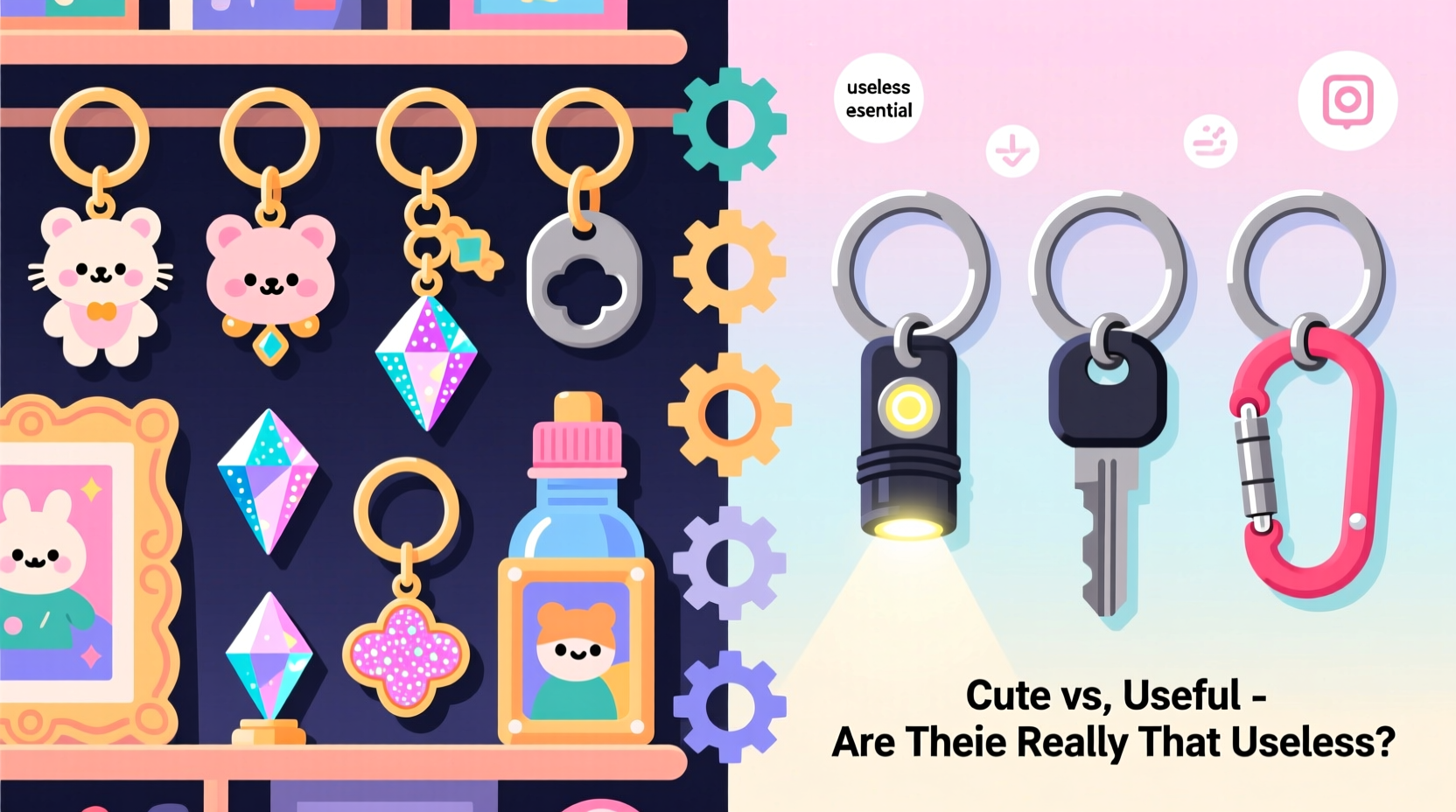
Decorative keychains are designed to stand out. They feature vibrant colors, whimsical shapes, pop culture icons, and intricate details. For many, these small accessories are extensions of identity—a way to showcase interests, memories, or moods. A tiny enamel cat might represent a pet at home; a vintage band logo could reflect musical taste.
Psychologically, decorative items like these tap into emotional satisfaction. According to Dr. Emily Tran, a consumer behavior researcher at the University of Design Studies:
“People assign sentimental and symbolic value to small personal objects. A keychain may seem trivial, but it can evoke joy, nostalgia, or confidence—especially when chosen intentionally.” — Dr. Emily Tran, Consumer Behavior Researcher
However, critics argue that emotional value doesn’t equate to utility. Many decorative keychains are bulky, fragile, or poorly constructed, making them impractical for daily use.
What Defines a Practical Keychain?
Practical keychains prioritize function over form. These include heavy-duty split rings, retractable reels, carabiners, smart trackers (like Tile or AirTag holders), and multi-tool key fobs. Their design focuses on durability, ease of access, and integration with everyday routines.
For professionals, travelers, or outdoor enthusiasts, practicality is non-negotiable. A firefighter might use a high-tensile steel clip to ensure quick access to equipment. A commuter might prefer a compact key organizer that keeps house, office, and car keys separated yet together.
Material choice also defines practicality. Stainless steel, aerospace aluminum, and reinforced polymers resist wear, corrosion, and impact. In contrast, resin charms or fabric tassels degrade faster under stress.
Functional Features Found in Practical Keychains
- Built-in bottle openers or mini tools
- RFID-blocking shielding for digital security
- Integrated flashlights or USB drives
- Attachment loops for lanyards or belt clips
- Water-resistant or shock-absorbing casings
Comparing Value: Function vs. Feeling
The divide between decorative and practical keychains isn't always clear-cut. Some products blend both worlds—stylish yet functional. However, understanding their core differences helps users make informed choices.
| Aspect | Decorative Keychains | Practical Keychains |
|---|---|---|
| Primary Purpose | Self-expression, aesthetics | Efficiency, durability, accessibility |
| Lifespan | Short to moderate (depends on material) | Long (engineered for wear) |
| Weight & Bulk | Often heavier due to ornaments | Minimalist, streamlined designs |
| Cost Range | $2–$30+ (collector’s items can exceed $50) | $5–$40 (premium tech versions higher) |
| Versatility | Limited to visual appeal | Multi-use features common |
A Real-World Scenario: The Commuter’s Dilemma
Sophie, a graphic designer in Seattle, collects enamel pin-style keychains from local artists. Her keyring holds six charms—each meaningful, colorful, and expressive. But after two months, one charm cracked during transit, another snagged her coat lining, and the bulk made pocket carry uncomfortable.
She switched to a modular magnetic key system with a sleek leather fob. It held all her keys securely, detached easily, and looked professional. Though she missed the charm display, she gained convenience and peace of mind.
Her compromise? She attached a single small charm to the end of the fob—keeping sentimentality without sacrificing function. This hybrid approach reflects a growing trend: blending emotional value with smart design.
Can Cute Keychains Be Useful?
The assumption that “cute” means “useless” overlooks subtle benefits beyond physical utility. Consider:
- Identification: A unique decorative keychain makes your keys easier to spot in a bag or among others.
- Mental well-being: Small joys matter. Carrying something cheerful can improve mood during stressful commutes.
- Conversation starters: A quirky charm can spark interaction, especially in social or networking settings.
- Gifting significance: Personalized decorative keychains are popular gifts because they convey thoughtfulness.
Moreover, some brands now produce “functional cuteness”—adorable keychains with hidden tools. Think panda-shaped fobs with built-in styluses or unicorn horns doubling as phone stands.
How to Choose the Right Keychain for You
Selecting between decorative and practical shouldn’t be an either/or decision. Instead, evaluate your lifestyle, needs, and values. Follow this checklist to find balance:
Keychain Selection Checklist
- Do I need quick access to specific keys regularly?
- Will this keychain fit comfortably in my pocket or bag?
- Am I attaching it to valuable or frequently used keys?
- Does it have sentimental or emotional importance?
- Is the clasp secure and rust-resistant?
- Could it damage other items (e.g., scratching phones or fabric)?
- Would combining a simple functional base with one decorative accent work better?
If most answers lean toward utility, go practical. If self-expression ranks highest, choose decorative—but consider downsizing or rotating charms to preserve usability.
Expert Insight: Bridging the Gap
Industrial designer Mark Lin, known for his award-winning urban gear line, believes the future lies in integration:
“The best accessories don’t force users to choose between looking good and working well. We’re seeing more ‘emotionally intelligent’ design—products that feel personal but perform reliably.” — Mark Lin, Industrial Designer
This philosophy is evident in products like titanium key organizers with customizable engraved plates or eco-resin keyrings embedded with natural elements (like dried flowers) but encased in protective shells.
Frequently Asked Questions
Are decorative keychains bad for my actual keys?
Possibly. Excessive weight or poor balance can stress key teeth or weaken ring welds over time. Heavy dangling charms may also cause scratches on surfaces or devices stored nearby. Use lightweight attachments and consider detaching decor when not needed.
Can I make a decorative keychain more practical?
Yes. Attach it to a lanyard with a breakaway clasp, integrate it into a key shield case, or pair it with a retractable reel. Another option is using a secondary ring so the decorative element doesn’t interfere with daily access.
What’s the longest-lasting type of keychain?
Stainless steel split rings, one-piece forged key clips, and machined aluminum organizers typically last the longest. Brands like Nite Ize, KeySmart, and Grid Iron Gear focus on longevity and performance.
Conclusion: Beyond Useless or Useful
The question isn’t whether cute keychains are useless—it’s whether usefulness should be measured solely by function. Emotional resonance, identity expression, and small daily pleasures contribute to quality of life in ways that aren’t always quantifiable.
At the same time, ignoring practicality can lead to frustration, wasted money, or even lost keys. The ideal solution isn’t choosing one side over the other, but curating a system that honors both needs: reliable organization with room for personal flair.
Start by auditing your current keychain. Does it serve you physically? Emotionally? Or does it create clutter without reward? Simplify where necessary, personalize where meaningful, and embrace the idea that even the smallest object can hold multiple kinds of value.




 浙公网安备
33010002000092号
浙公网安备
33010002000092号 浙B2-20120091-4
Comments
No comments yet. Why don't you start the discussion?