
Bite size cookies are more than just a snack—they’re a moment of indulgence in a single, satisfying mouthful. Whether you're preparing treats for a party, packing school lunches, or simply satisfying a sweet craving, small cookies offer convenience without sacrificing flavor. The key is balancing simplicity with taste, ensuring that each tiny treat delivers big on texture and aroma. With minimal effort and smart ingredient choices, you can create an array of mini delights that impress without overwhelming your schedule.
The Appeal of Bite Size Cookies
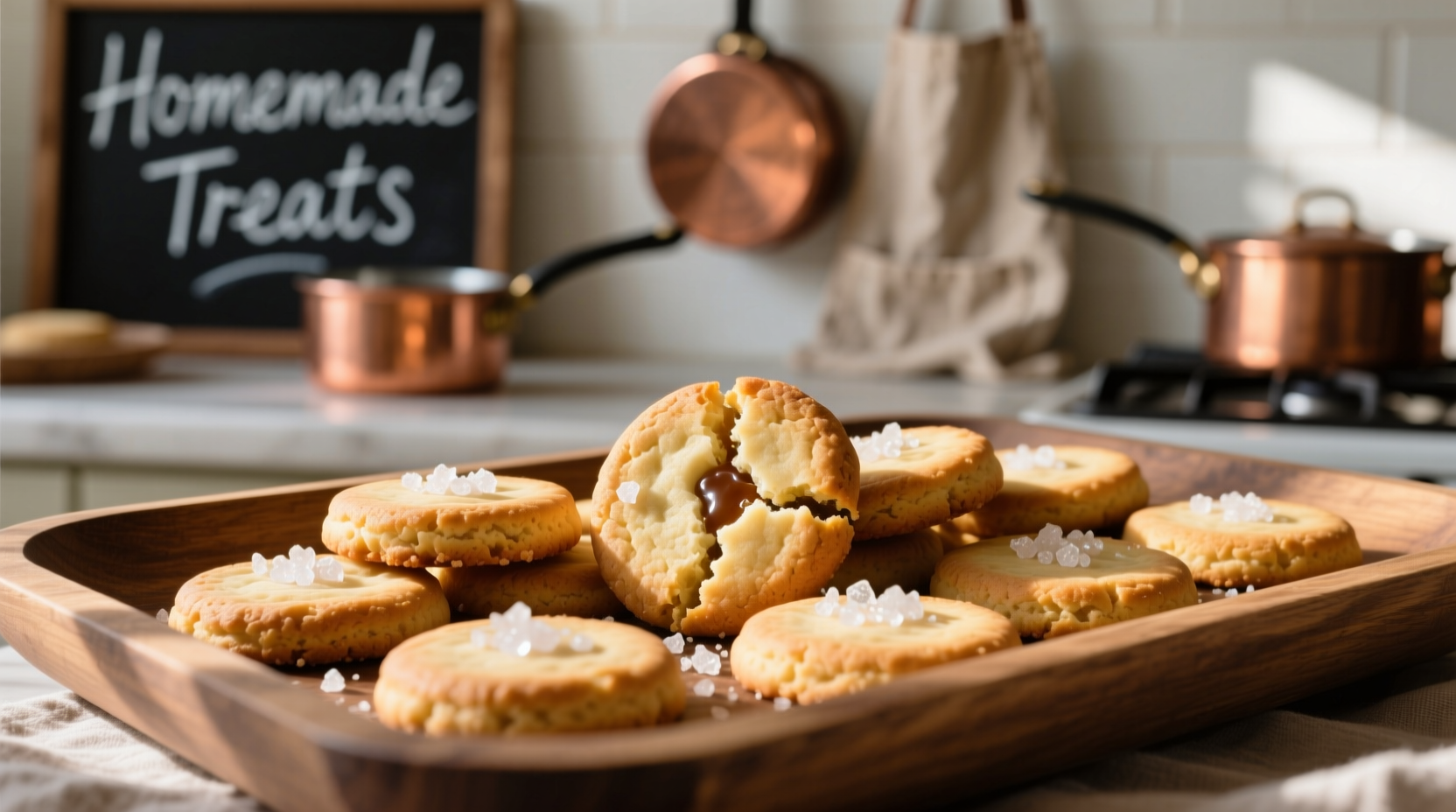
Miniature desserts have gained popularity not just for their cuteness but for their practicality. They allow portion control, reduce baking time, and make serving effortless at gatherings. Unlike full-sized cookies, bite size versions bake faster, require less dough handling, and often don’t need slicing or shaping beyond rolling into small balls.
They’re also ideal for variety. A single platter can feature chocolate chip, lemon shortbread, oatmeal raisin, and peanut butter—all in miniature form—giving guests a taste tour without overindulgence. This versatility makes them a staple in holiday spreads, baby showers, and office events.
Essential Ingredients for Success
The foundation of any great cookie lies in its ingredients. For bite size versions, precision matters even more—small variations can affect texture disproportionately. Here’s what to focus on:
- Butter: Use unsalted butter at room temperature for consistent creaming. It gives better control over salt levels and blends smoothly with sugar.
- Sugar: A mix of granulated and brown sugar adds sweetness and chewiness. Brown sugar contributes moisture thanks to its molasses content.
- Flour: All-purpose flour works best for structure. Avoid over-measuring by spooning flour into the measuring cup and leveling it off.
- Egg: One large egg binds the dough and adds richness. For vegan options, substitute with flax egg (1 tbsp ground flaxseed + 3 tbsp water).
- Leavening agents: Baking soda helps cookies spread slightly and become tender; baking powder adds lift.
- Vanilla extract: Pure vanilla enhances depth of flavor—don’t skip it, even in small batches.
“Small cookies demand attention to detail. Because there’s less dough per unit, every ingredient must pull its weight.” — Chef Lydia Monroe, Pastry Instructor at Boston Culinary Academy
Step-by-Step Guide to Perfect Mini Cookies
Follow this streamlined process to produce evenly baked, flavorful bite size cookies every time:
- Preheat oven to 350°F (175°C) and line baking sheets with parchment paper or silicone mats.
- Cream butter and sugars in a mixing bowl until light and fluffy (about 2–3 minutes).
- Add egg and vanilla, mixing until fully incorporated.
- In another bowl, whisk dry ingredients: flour, baking soda, salt, and any spices (like cinnamon or nutmeg).
- Gradually add dry mixture to wet ingredients, mixing on low speed until just combined. Overmixing leads to tough cookies.
- Fold in add-ins: chocolate chips, chopped nuts, dried fruit, or candy pieces.
- Portion dough using a teaspoon or small scoop (about 1-inch diameter). Place 1.5 inches apart on baking sheet.
- Bake 8–10 minutes until edges are lightly golden. Centers may look soft but will firm as they cool.
- Cool on tray for 5 minutes, then transfer to wire rack.
Variety Ideas for Every Palate
One of the joys of making bite size cookies is experimenting with flavors. Below are five easy variations based on a standard base dough:
| Cookie Type | Key Add-Ins | Baking Time | Special Notes |
|---|---|---|---|
| Mini Chocolate Chunk | ½ cup dark chocolate chunks | 9 minutes | Sprinkle sea salt after baking for gourmet touch |
| Lemon Glazed Shortbread | Zest of 1 lemon, 1 tbsp juice | 10 minutes | Drizzle with powdered sugar glaze once cooled |
| Peanut Butter Swirl | ¼ cup creamy peanut butter swirled in | 8 minutes | Press fork crisscross pattern before baking |
| Oatmeal Raisin Minis | ⅓ cup oats, ¼ cup raisins soaked in warm water | 10 minutes | Spice with ½ tsp cinnamon |
| Double Chocolate Crinkle | Replace ¼ cup flour with cocoa powder, roll dough in powdered sugar | 9 minutes | Cracks open during baking for dramatic effect |
Real Example: Cookie Platter for a Kids’ Party
Jamie, a parent volunteer for her daughter’s preschool, needed a fun, allergy-friendly treat for 20 children. She prepared three types of bite size cookies: classic chocolate chip (using dairy-free butter), coconut-oat energy bites (no bake), and strawberry jam thumbprints (gluten-free flour blend). She used festive mini cupcake liners for display and labeled each type clearly. Parents appreciated the portion control, and kids loved the colorful presentation. The entire batch took under two hours, including cooling time.
Common Mistakes and How to Avoid Them
Even experienced bakers can run into issues with small cookies. Here are frequent pitfalls and solutions:
- Uneven sizes: Leads to inconsistent baking. Use a cookie scoop for uniform portions.
- Overbaking: Mini cookies cook quickly. Start checking at 7 minutes.
- Dry texture: Often caused by too much flour. Spoon flour into measuring cups instead of scooping directly from the bag.
- Flat cookies: Usually due to warm dough or melted butter. Chill dough before baking if needed.
- Sticking to pan: Always use parchment or silicone mats—never grease the pan unless specified.
Storage and Freshness Tips
To maintain freshness, store cooled cookies in an airtight container at room temperature for up to 5 days. For longer storage, freeze unbaked dough balls on a tray, then transfer to a freezer bag. Bake straight from frozen—just add 1–2 minutes to baking time.
If storing baked cookies, place a slice of bread in the container to help retain moisture. Replace the bread daily for best results.
FAQ
Can I make bite size cookies without a mixer?
Yes. While a hand mixer makes creaming easier, you can achieve good results with a sturdy spatula or wooden spoon. Allow extra time to thoroughly blend butter and sugar until pale and fluffy.
Why do my mini cookies turn out dry?
Dryness usually comes from over-flouring or overbaking. Measure flour correctly and set a timer to avoid leaving cookies in too long. Adding an extra tablespoon of butter or milk can restore moisture.
Are bite size cookies suitable for freezing?
Absolutely. Both baked cookies and raw dough freeze well. Thaw baked cookies at room temperature. Bake frozen dough balls directly—no thawing needed.
Checklist: How to Master Bite Size Cookies
- ✔ Use room-temperature butter for smooth creaming
- ✔ Measure flour accurately by spooning and leveling
- ✔ Portion dough uniformly with a small scoop
- ✔ Preheat oven and use lined baking sheets
- ✔ Bake 8–10 minutes, watching closely after 7 minutes
- ✔ Cool on baking sheet briefly before transferring
- ✔ Store in airtight container with moisture control
Final Thoughts
Creating the best bite size cookies doesn’t require advanced skills—just attention to basics and a willingness to experiment. From classic chocolate chip to inventive flavor twists, these little treats bring joy in compact form. Their quick bake time and crowd-pleasing nature make them ideal for busy lives and special moments alike. Once you master the fundamentals, the possibilities are endless.




 浙公网安备
33010002000092号
浙公网安备
33010002000092号 浙B2-20120091-4
Comments
No comments yet. Why don't you start the discussion?