
When it comes to building a functional, stylish wardrobe, few pieces are as essential as a reliable transitional jacket. As temperatures fluctuate between seasons—crisp spring mornings, cool autumn evenings, or unpredictable shoulder months—a well-chosen outer layer can make all the difference. Among the most popular options are the denim jacket and the utility jacket. Both have long-standing reputations for durability and style, but which one truly earns its place in your closet year after year?
The answer isn’t always straightforward. While both jackets excel in certain conditions, their materials, construction, and design philosophies cater to different needs. Understanding these differences helps you make an informed decision about which jacket offers superior versatility across seasons.
The Anatomy of a Year-Round Layer
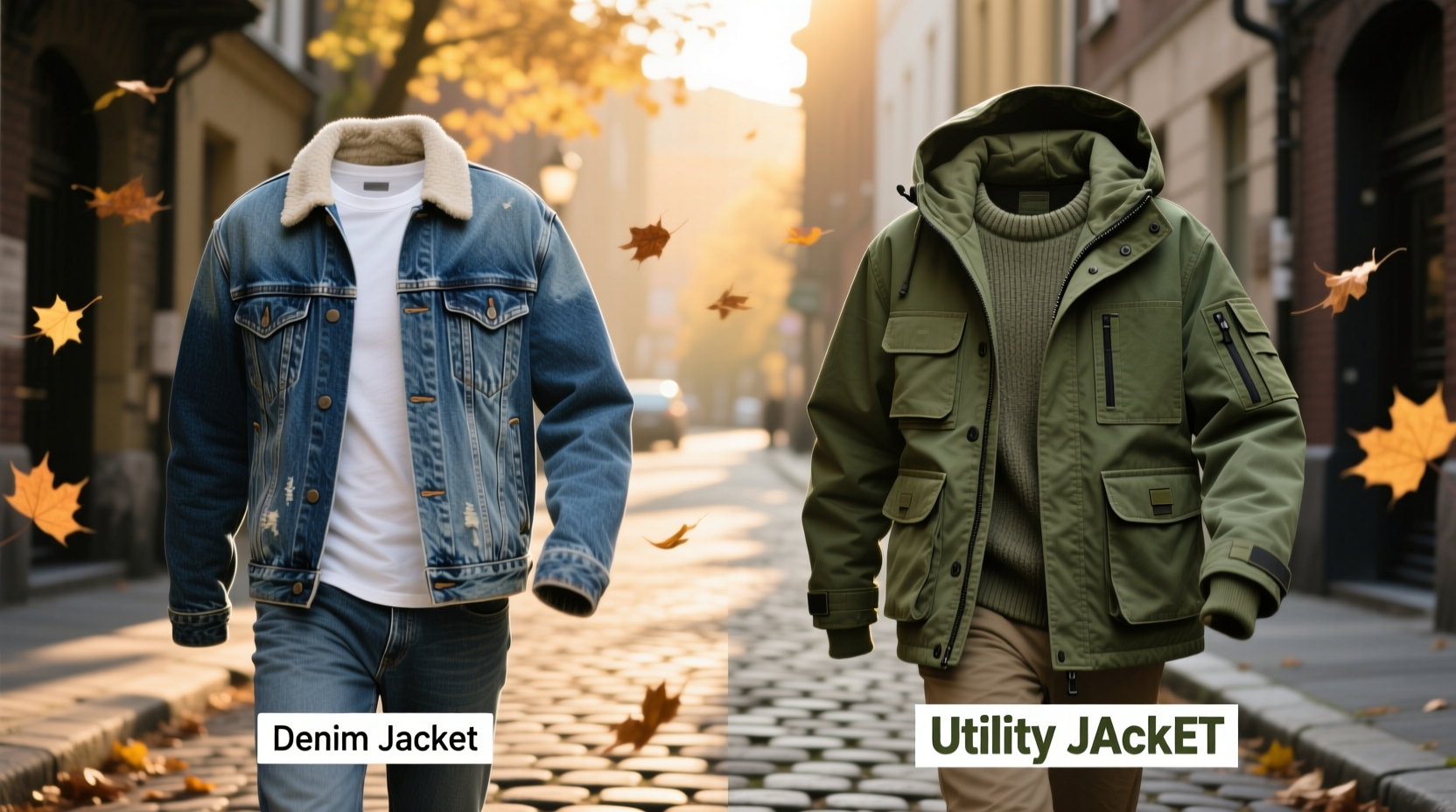
A truly effective transitional jacket must balance warmth, breathability, weight, and adaptability. It should be light enough to wear over a T-shirt in spring, layerable under a coat in winter, and durable enough to handle daily use. Style also plays a critical role—no matter how functional a piece is, if it doesn’t align with your personal aesthetic, it won’t get worn.
Transitional layers ideally serve multiple purposes:
- Provide moderate insulation without overheating
- Layer easily over shirts, sweaters, or hoodies
- Withstand light rain or wind
- Mix and match with casual and semi-casual outfits
- Maintain shape and color after repeated washing and wear
Both denim and utility jackets meet many of these criteria, but they do so in distinct ways. Let’s break down their strengths and limitations.
Denim Jacket: The Timeless Classic
The denim jacket, often referred to as a “trucker” or “type III” jacket, emerged in the early 20th century as workwear before evolving into a fashion staple. Made from cotton denim—typically weighing between 9 and 14 ounces—it’s structured, rugged, and built to last.
One of the denim jacket’s greatest assets is its cultural longevity. It transcends trends, appearing in wardrobes across generations and styles—from punk rockers to minimalist professionals. Its visual language is simple: button-front closure, chest pockets, and a slightly boxy silhouette.
In terms of seasonality, the classic denim jacket shines in spring and fall. It provides just enough weight to block a breeze without trapping excessive heat. During summer evenings, it adds a subtle layer without bulk. In winter, it can function as a mid-layer under heavier coats like parkas or wool overcoats.
However, denim has limitations. Most versions lack water resistance and offer minimal insulation. Once wet, denim takes a long time to dry and can feel heavy and cold. Additionally, raw or selvedge denim requires a break-in period and may fade unevenly with wear—something some appreciate as character, others find inconsistent.
Utility Jacket: The Functional Workhorse
Originally designed for military and outdoor labor, the utility jacket prioritizes practicality. Constructed from hardwearing fabrics like cotton twill, ripstop nylon, or blended canvas, it features multiple pockets, reinforced stitching, and often includes weather-resistant finishes.
Modern utility jackets range from minimalist field styles to technical hybrids with ventilation zippers, hidden hoods, and moisture-wicking linings. Their silhouettes tend to be roomier than denim, allowing for easy layering over hoodies or flannel shirts.
Where the utility jacket outperforms denim is in adaptability to weather. Many models come with water-repellent coatings or taped seams, making them suitable for drizzle or damp environments. Some even integrate removable liners or quilted interiors, effectively transforming them from spring layers into early-winter staples.
Style-wise, utility jackets lean toward utilitarian or tactical aesthetics. While this look has gained popularity in streetwear and minimalist menswear, it may not pair as seamlessly with dressier outfits as a clean denim jacket might. However, neutral tones like olive, khaki, navy, or black ensure broad compatibility.
“Utility wear has evolved beyond function—it’s now about intelligent design that serves both city life and outdoor demands.” — Lena Torres, Apparel Designer at Field & Co.
Comparative Breakdown: Denim vs Utility Jacket
| Feature | Denim Jacket | Utility Jacket |
|---|---|---|
| Material | Cotton denim (9–14 oz) | Cotton twill, ripstop, nylon blends |
| Weather Resistance | Low – absorbs moisture easily | High – often treated for water resistance |
| Insulation | Minimal – relies on layering | Moderate – some include quilted lining |
| Versatility | High – pairs well with jeans, chinos, dresses | Medium – leans casual/technical |
| Durability | Very high – strengthens with age | Very high – abrasion-resistant fabrics |
| Seasonal Range | Spring, Fall, Winter (mid-layer) | Spring, Summer (light models), Fall, Winter (insulated) |
| Style Flexibility | Excellent – timeless, widely accepted | Good – depends on model and context |
| Pocket Functionality | Limited – usually two chest pockets | High – multiple zip, flap, and cargo pockets |
Real-World Scenario: A Week in Transition
Consider Marcus, a graphic designer living in Portland, Oregon—a city known for its unpredictable weather. His week includes commuting by bike, working in a climate-controlled office, and weekend hikes.
Monday through Friday, he opts for a lightweight olive utility jacket with a DWR (durable water repellent) finish. On rainy mornings, it keeps him dry during his 20-minute ride. Inside the office, he unzips it or removes it entirely without looking overdressed. The multiple pockets hold his phone, wallet, and multitool—no bag needed.
Over the weekend, he swaps to a vintage-inspired denim jacket for brunch and shopping. Paired with dark jeans and white sneakers, it complements his laid-back yet polished look. Later, when clouds roll in, he throws on a merino sweater underneath—the denim holds up well as a windbreaker.
In this case, both jackets serve important roles. But if Marcus could only own one, the utility jacket would provide broader functionality across more conditions. It handles moisture better, supports active movement, and integrates practical storage—key advantages in a variable climate.
Choosing Based on Lifestyle
Your ideal transitional jacket depends less on fashion trends and more on how you live. Consider these lifestyle profiles:
Urban Professional
If your days involve walking to cafes, public transit, and office environments, a clean, dark-wash denim jacket offers effortless style. It layers well over button-downs and turtlenecks and maintains a smart-casual edge. Choose one with minimal distressing for maximum versatility.
Outdoor Enthusiast
Hikers, cyclists, or anyone spending time in nature benefits from a utility jacket. Features like ventilation zippers, storm flaps, and secure pockets enhance usability. Look for models with articulated sleeves and stretch panels for mobility.
Minimalist Wardrober
For those pursuing a capsule wardrobe, the utility jacket edges ahead due to its broader seasonal coverage. One well-chosen model—like a black nylon field jacket—can replace multiple layers. It works with everything from joggers to chore coats and performs reliably in unexpected showers.
Step-by-Step Guide: Selecting Your All-Season Layer
- Evaluate your climate: Do you face frequent rain, strong winds, or rapid temperature shifts? If yes, prioritize weather protection.
- Assess your daily activities: Are you mostly indoors, or do you walk/bike regularly? Active lifestyles favor utility designs.
- Determine layering needs: Will you wear it over thick sweaters? Ensure the cut allows room without restricting movement.
- Test fabric weight: Midweight (8–12 oz) works best for year-round use. Avoid overly stiff or thin materials. <5> Check closure and fit: Zippers offer faster adjustment than buttons; adjustable cuffs and hems improve seal against cold.
- Verify care requirements: Machine-washable jackets save time. Avoid dry-clean-only options unless necessary.
- Try before you buy: Move your arms, sit down, and simulate wearing layers to test comfort and range of motion.
Frequently Asked Questions
Can I wear a denim jacket in the rain?
Technically yes, but it’s not ideal. Denim absorbs water quickly, becomes heavy, and takes hours to dry. Prolonged exposure can lead to shrinkage and stiffness. If caught in a shower, let it air dry naturally—never use a dryer.
Are utility jackets too bulky for spring?
Not if you choose the right model. Lightweight utility jackets made from cotton poplin or ripstop nylon are breathable and packable. Avoid insulated versions unless temperatures dip below 50°F (10°C).
Which jacket lasts longer?
Both can last a decade or more with proper care. Denim develops a unique fade pattern over time, while utility jackets maintain their structure due to synthetic blends. Ultimately, longevity depends on usage and maintenance—not just material.
Final Verdict: Which Works Better Year-Round?
The denim jacket remains a sartorial icon—an enduring symbol of rebellion, simplicity, and American style. It excels in mild conditions and pairs effortlessly with almost any outfit. But when evaluated purely on functional versatility across all seasons, the utility jacket emerges as the superior transitional layer.
It adapts to more environments, resists the elements better, and supports a wider range of activities. With thoughtful design, a single utility jacket can serve as your go-to outerwear from early spring through late fall—and even into winter with added insulation.
That said, there’s no need to choose one permanently. For maximum flexibility, consider owning both: a crisp denim jacket for style-focused occasions, and a rugged utility piece for performance-driven days. Together, they cover every scenario a transitional season can throw your way.




 浙公网安备
33010002000092号
浙公网安备
33010002000092号 浙B2-20120091-4
Comments
No comments yet. Why don't you start the discussion?