
Walk into any university campus, tech office, or travel hub, and you’ll see them—backpacks slung over shoulders, stuffed with laptops, notebooks, and gym clothes. Some bear familiar luxury logos; others are plain, functional, and affordable. The divide between designer backpacks and generic models isn’t just about price tags—it’s a decision between perceived status and practical utility. But beyond the social signal, does spending $300–$800 on a designer backpack actually deliver measurable benefits over a $50 alternative?
The answer isn’t binary. It depends on how you use your bag, how long you intend to keep it, and what you value in craftsmanship, materials, and functionality. This article dissects the real differences—not the marketing hype—and helps you decide whether the premium is justified or just branding smoke and mirrors.
Material Quality and Longevity
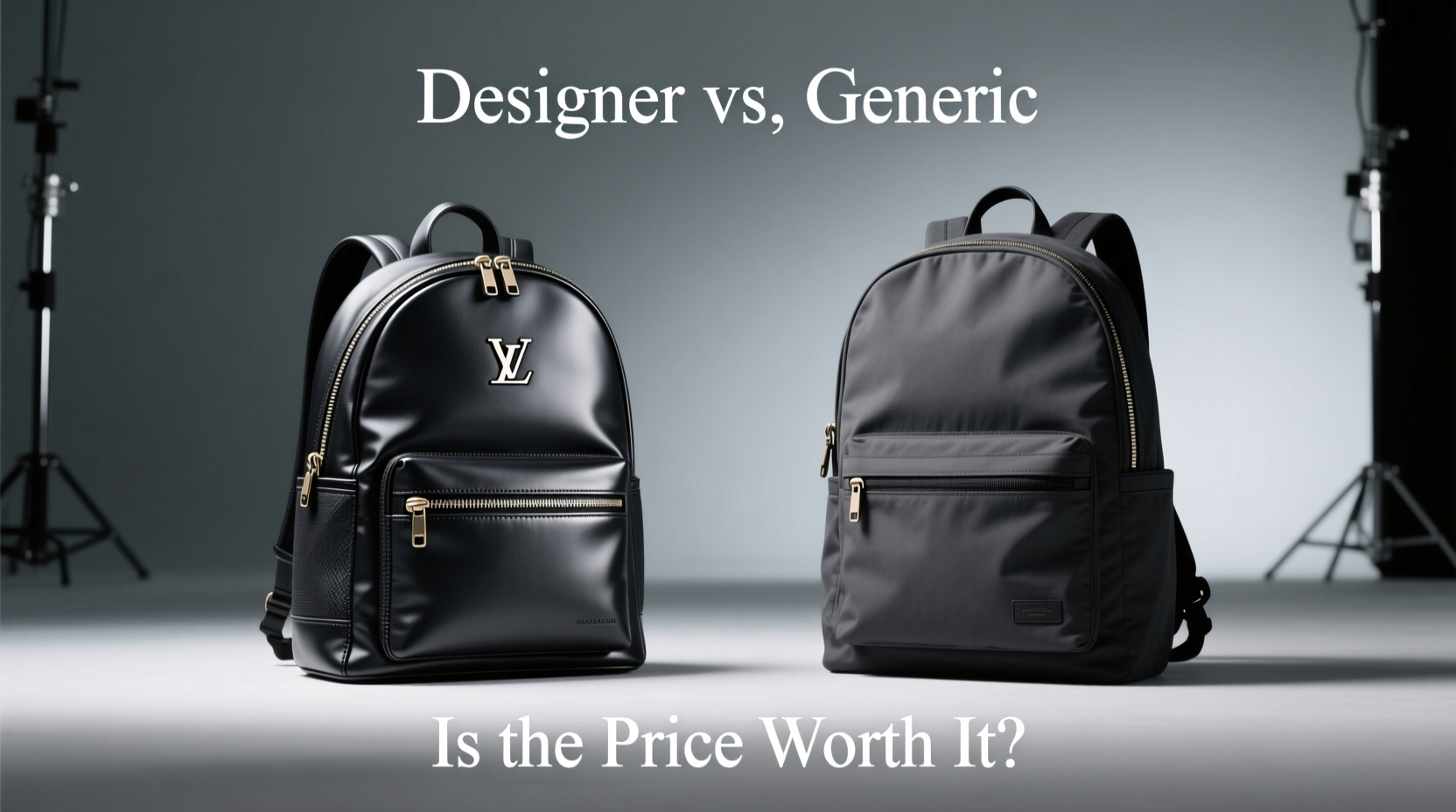
The most tangible difference between designer and generic backpacks lies in materials. Designer brands like Herschel Supply Co., Tumi, Bellroy, and Fjällräven invest heavily in sourcing durable, weather-resistant fabrics such as ballistic nylon, Cordura, or full-grain leather. These materials resist abrasion, water, and UV degradation far better than the polyester or thin nylon commonly used in budget models.
Stitching also plays a critical role. High-end manufacturers often use reinforced box-stitching at stress points (like straps and zippers), while generic bags rely on single-line stitching that can unravel under consistent load. Metal hardware—zippers from YKK, buckles from Duraflex—are standard in premium designs, whereas cheaper alternatives often use plastic components prone to cracking.
“Investing in a backpack made with military-grade materials doesn’t just extend its life—it reduces long-term waste.” — Marcus Lin, Sustainable Design Consultant
Design and Ergonomics: Function Over Fashion?
While aesthetics draw attention, ergonomics determine comfort. Designer backpacks often incorporate anatomical padding, breathable back panels, adjustable sternum straps, and weight-distribution systems. These features matter when carrying 15+ pounds across a city or through an airport.
Compare this to generic models, where padding is often minimal and non-adjustable. Over time, poor ergonomics contribute to shoulder strain, back pain, and discomfort—costs not reflected in the initial purchase price.
Moreover, organization matters. Premium backpacks frequently include dedicated padded laptop sleeves (with anti-shock lining), RFID-safe pockets, modular compartments, and hidden anti-theft zippers. Generic versions may offer a single main compartment and flimsy interior dividers that collapse under pressure.
Backpack Comparison: Key Features at a Glance
| Feature | Designer Backpack (e.g., Tumi Alpha Bravo) | Generic Backpack (e.g., AmazonBasics) |
|---|---|---|
| Material | Ballistic nylon with DWR coating | Polyester blend |
| Zipper Quality | YKK self-repairing zippers | Standard plastic zippers |
| Laptop Compartment | Padded, suspended sleeve (up to 17\") | Basic padded pocket (fits up to 15\") |
| Strap System | Ergonomic, ventilated, adjustable | Thin padding, fixed length |
| Warranty | Lifetime repair guarantee | 1-year limited warranty |
| Average Lifespan | 5–7 years with daily use | 1–2 years before wear shows |
| Price Range | $250–$600 | $30–$80 |
Real-World Example: Two Commuters, Two Choices
Consider two professionals commuting daily in rainy Seattle. Alex chooses a $65 generic backpack from a mass retailer. Jamie opts for a $380 Bellroy Classic Backpack.
After six months, Alex’s bag shows fraying at the base, a zipper jams during a downpour, and water seeps into the laptop compartment, damaging a $1,200 device. Replacement cost: $65 for a new bag, plus $400 for data recovery and a protective sleeve.
Jamie’s backpack remains intact. The water-resistant tarpaulin base sheds rain, the magnetic quick-access flap works reliably, and the internal organization keeps gadgets secure. After three years, Bellroy replaces a worn strap under warranty—at no cost.
In this scenario, the “cheaper” option ended up costing more in both money and inconvenience.
When Branding Adds Value—And When It Doesn’t
Let’s be honest: some designer backpacks charge a premium purely for logo appeal. A backpack with a prominent luxury label might function identically to a lesser-known brand but cost twice as much. In these cases, you’re absolutely paying for the flex.
However, reputable designer brands often back their pricing with research, testing, and customer support. They conduct drop tests, weather simulations, and ergonomic studies. Their supply chains are audited for consistency. That doesn’t mean every high-priced bag is worth it—but many top-tier brands have earned their reputation through performance, not just marketing.
The key is distinguishing between *status-driven* design and *function-driven* design. A minimalist backpack from Aer or Peak Design may lack flashy logos but delivers exceptional build quality and user-centric details. Conversely, a branded fashion house’s backpack might prioritize aesthetics over utility—fine for occasional use, but risky for daily carry.
Cost Per Use: The Real Metric That Matters
Instead of comparing sticker prices, calculate cost per use. If you spend $400 on a backpack you use 5 days a week for 5 years, that’s roughly 1,300 uses. Your cost per use? About $0.31.
A $50 backpack used the same way but replaced every 18 months (due to wear) means buying three units over five years—total cost: $150. Cost per use: $0.12. On paper, the generic wins.
But factor in hidden costs: damaged electronics, lost items due to broken zippers, medical issues from poor ergonomics, or environmental impact from disposal. Suddenly, the math shifts. Longevity, protection, and comfort become part of the equation.
Smart Buying Checklist: What to Evaluate Before You Buy
- Durability: Are stress points reinforced? Is fabric abrasion-resistant?
- Comfort: Does it have padded, adjustable straps and a breathable back panel?
- Functionality: Is there a proper laptop sleeve, multiple compartments, and easy-access pockets?
- Weather Protection: Is it water-resistant or treated with a DWR finish?
- Warranty: Does the brand offer repairs or replacements for defects?
- Brand Transparency: Do they disclose materials, manufacturing ethics, and repair policies?
Frequently Asked Questions
Is a designer backpack worth it for college students?
It depends on usage. If you're hauling heavy textbooks daily across campus, a well-built backpack reduces physical strain and lasts all four years. For light use, a mid-range option ($80–$120) from a reputable outdoor brand may offer the best balance.
Can I find designer-level quality without the designer price?
Yes. Brands like Patagonia, Osprey, and Nomatic offer near-premium construction, lifetime warranties, and thoughtful design without luxury branding. They compete directly with high-end labels but at lower margins.
Do designer backpacks hold resale value?
Generally, no—unlike handbags, most backpacks don’t appreciate. However, limited editions or vintage pieces from iconic lines (e.g., original North Face Surge) can retain value among collectors.
Conclusion: Pay for Performance, Not Just Prestige
The truth is, not all designer backpacks are worth the investment, and not all generic ones are disposable. The decision should hinge on how much you depend on your bag and what failure could cost you—whether it’s a ruined laptop, chronic back pain, or the hassle of constant replacement.
If you treat your backpack as a tool—as essential as your phone or laptop—then paying more for superior materials, engineering, and support makes sense. But if you only need something temporary or decorative, save your money.
Ultimately, the best choice isn’t about flexing. It’s about matching the backpack to your lifestyle, values, and long-term needs. Choose wisely, and you won’t just carry your belongings—you’ll carry confidence in your decision.




 浙公网安备
33010002000092号
浙公网安备
33010002000092号 浙B2-20120091-4
Comments
No comments yet. Why don't you start the discussion?