
In an era where access often trumps ownership, the allure of a luxury handbag is being reevaluated. Once a symbol of status and long-term investment, the classic designer bag now faces competition from a new model: rental fashion. With platforms offering high-end bags for a fraction of retail prices, many are asking—does buying a Chanel or Hermès still make financial and lifestyle sense? Or has the culture of fleeting trends and sustainability concerns made ownership obsolete?
This isn’t just about cost. It’s about values, usage patterns, emotional attachment, and shifting consumer priorities. Let’s examine both sides with clarity and realism.
The Case for Owning a Designer Bag
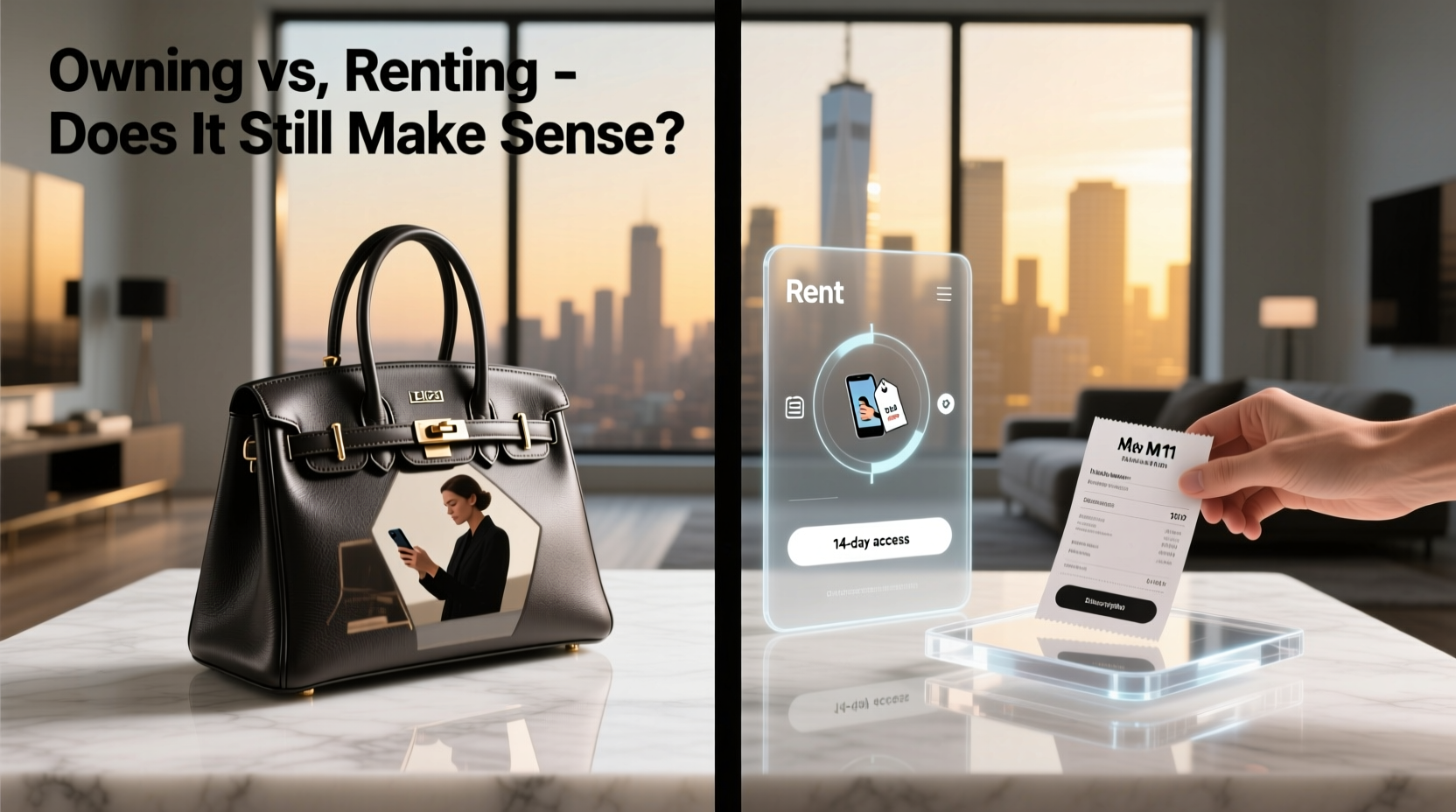
Owning a luxury handbag has traditionally been seen as a milestone—a reward for success, a timeless accessory, or even a financial asset. Some iconic pieces, particularly from brands like Hermès, Chanel, and limited-edition Louis Vuitton models, have appreciated in value over time. The Birkin, for example, has outperformed the S&P 500 in annual appreciation over the past two decades, according to research by Knight Frank’s Luxury Investment Index.
Beyond resale value, ownership brings intangible benefits:
- Pride of possession: A designer bag can be deeply personal—a style signature or heirloom.
- Long-term utility: If you use the same bag daily for years, ownership amortizes well.
- No scheduling constraints: You don’t need to plan around return dates or availability.
- Customization and care: Owners often invest in personalization (e.g., hardware engraving) and meticulous maintenance.
“A well-cared-for classic bag can last decades. I’ve seen 30-year-old Kellys that look brand new.” — Clara Nguyen, Vintage Luxury Curator at Atelier 9
The Rise of the Rental Economy
Rental services like Rent the Runway, Bag Borrow or Steal, and ByRotation have transformed how people access luxury. For a monthly fee—often between $50 and $150—you can rotate through multiple designer bags without the commitment or upfront cost.
This model appeals to several modern realities:
- Fast-changing styles: Social media fuels rapid trend cycles. Why own a bag you’ll only love for six months?
- Cost efficiency: Renting a $4,000 bag for $100/month means you could cycle through 10 different bags a year for less than one purchase.
- Sustainability: Reusing high-quality items reduces waste and carbon footprint compared to mass-produced fast fashion.
- Trial before buy: Test a brand or style risk-free before investing thousands.
For influencers, event-goers, or professionals needing variety, renting offers flexibility that ownership simply can’t match.
Cost Comparison: Buy vs. Rent Over Time
To understand the financial implications, consider a hypothetical $3,800 designer tote used regularly over five years.
| Option | Initial Cost | 5-Year Cost | Resale Value | Net Cost | Bag Variety |
|---|---|---|---|---|---|
| Buy One Bag | $3,800 | $3,800 | $1,900 (50%) | $1,900 | 1 |
| Rent Monthly ($120 avg.) | $0 | $7,200 | $0 | $7,200 | 60+ |
| Buy & Resell Every 2 Years | $3,800 x 3 = $11,400 | $11,400 | $5,700 (50% each) | $5,700 | 3 |
At first glance, ownership appears cheaper. But this ignores utility: if you value variety, social proof, or staying on-trend, renting may offer greater satisfaction per dollar. Conversely, if you seek emotional connection or collectible value, ownership wins.
When Renting Makes More Sense
Renting isn’t for everyone, but it shines in specific scenarios:
- You attend frequent events: Weddings, galas, or photoshoots demand fresh looks.
- You're testing a brand: Try a Bottega Veneta Cassette before committing $3,500.
- You prioritize sustainability: Extending a product’s lifecycle through shared use aligns with eco-values.
- Your style evolves quickly: If your aesthetic changes yearly, ownership locks you into outdated pieces.
Mini Case Study: Maya, 29, Marketing Consultant
Maya loves luxury fashion but refuses to spend $4,000 on a single bag. Instead, she subscribes to a rental service for $139/month. Over two years, she’s carried a Gucci Marmont, Prada Re-Edition, and Saint Laurent Sac de Jour—each for special client meetings or weekend outings. She estimates she’d need six bags to match the variety, costing over $20,000. Her net savings: ~$17,000. “I get the prestige without the burden,” she says. “And I’m not sad when a bag gets scratched—it goes back to the company.”
When Ownership Still Wins
Despite the rise of rentals, ownership remains compelling under certain conditions:
- Daily use: If you carry the same bag to work every day, ownership is more practical and hygienic.
- Emotional investment: Some people form deep attachments to their bags—they’re part of identity.
- Investment potential: Select pieces from Hermès, Chanel, or vintage Dior can appreciate significantly.
- Availability issues: Waiting lists for Birkins can exceed two years; renting bypasses that delay.
Step-by-Step Guide: How to Decide What’s Right for You
- Assess your usage: Will you use the bag weekly or just for events?
- Define your budget: Can you afford a $3,000+ purchase, or is $100/month more comfortable?
- Evaluate emotional value: Do you want to “own” the piece, or is temporary access enough?
- Research resale potential: Check historical pricing on sites like Rebag or Vestiaire Collective.
- Try renting first: Use a rental to test the bag in real life before buying.
- Calculate break-even point: Divide the bag’s price by your expected monthly rental cost to see how long ownership takes to pay off.
FAQ
Can rented bags be damaged?
Yes, but most rental companies include insurance or charge fees only for excessive damage. Minor wear is typically expected and covered.
Do designer bags always hold value?
No. Only select models from top-tier brands retain or increase value. Most lose 30–60% upon resale, especially if discontinued or heavily used.
Is renting ethical?
It can be. Sharing high-quality goods reduces overconsumption. However, shipping logistics and cleaning processes do have environmental costs. Choose services with sustainable practices when possible.
Checklist: Buy or Rent Your Next Designer Bag?
- ☐ I use luxury bags frequently (3+ times per week)
- ☐ I prefer consistency and reliability
- ☐ I want to build a collection or investment portfolio
- ☐ I value sentimental attachment to my accessories
- ☐ I attend varied events and want different styles
- ☐ I’m on a tight budget but want access to luxury
- ☐ I dislike long-term commitments to one item
- ☐ Sustainability is a priority for me
If most checked items are in the first four, ownership likely suits you. If the latter four dominate, renting is probably the smarter choice.
Conclusion
The question isn’t whether owning a designer bag still makes sense—it’s whether it makes sense for you. In a world of fluid identities and evolving values, there’s no universal answer. Ownership offers permanence, pride, and potential returns. Renting delivers variety, accessibility, and alignment with circular fashion principles.
The smartest approach? Be intentional. Assess your lifestyle, budget, and values honestly. Try renting before buying. Track your actual usage. And remember: true luxury isn’t just the label on the bag—it’s the freedom to choose what serves you best, without guilt or pressure.




 浙公网安备
33010002000092号
浙公网安备
33010002000092号 浙B2-20120091-4
Comments
No comments yet. Why don't you start the discussion?