
When it comes to protecting your smartphone, the decision between a designer case and a clear case often feels like a choice between style and simplicity. One promises prestige, unique aesthetics, and brand recognition. The other offers transparency, affordability, and a minimalist look that shows off your phone’s original design. But beyond appearances, what really separates these two options? Is the premium price of a designer case justified by better materials, enhanced protection, or smarter engineering—or are you simply paying for a logo?
The truth lies somewhere in between. While visual appeal plays a major role, there are functional differences that impact longevity, usability, and even device safety. Understanding these distinctions helps you make a smarter investment—one that balances personal taste with practical needs.
Material Quality and Build Differences
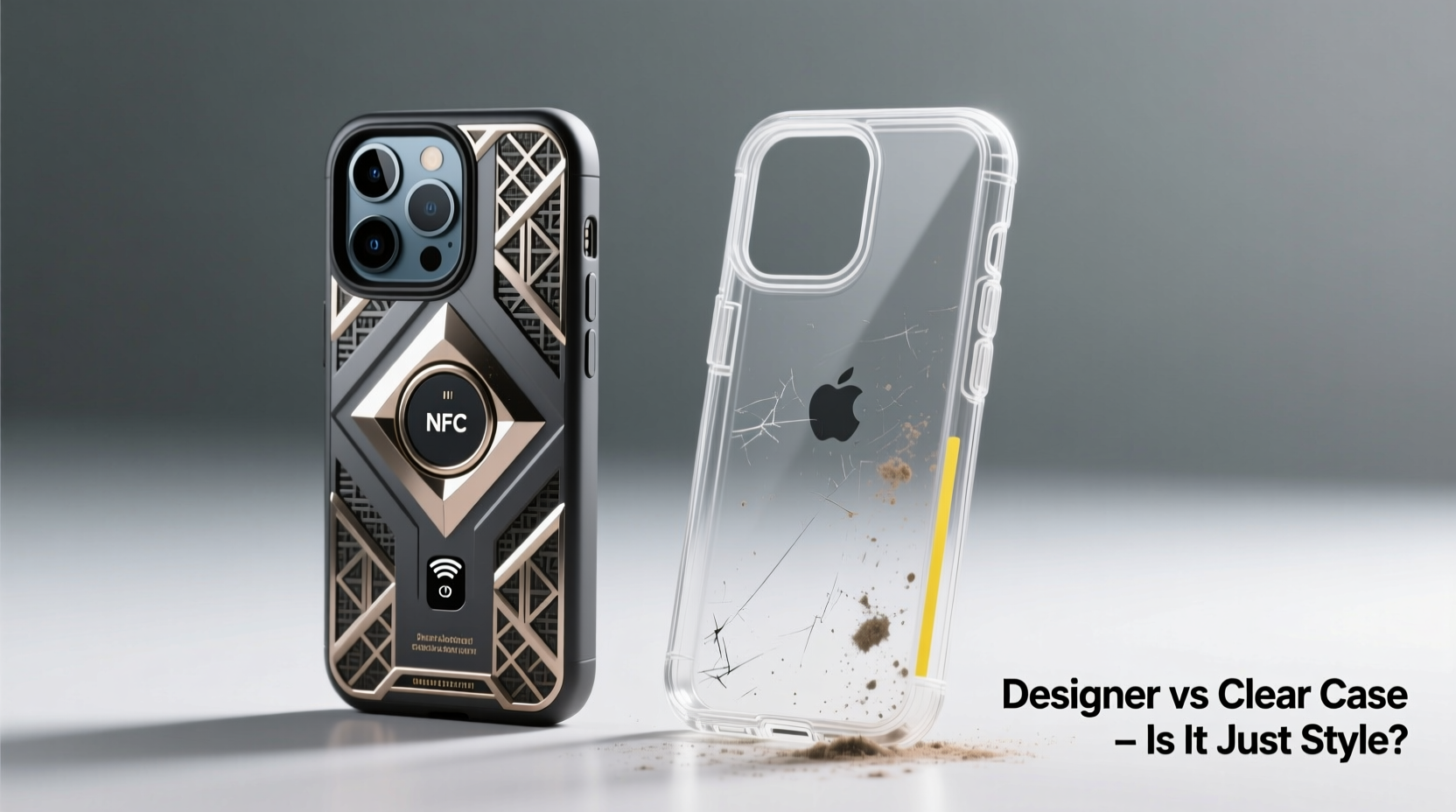
At first glance, both designer and clear cases may appear similar—often made from TPU (thermoplastic polyurethane) or polycarbonate. However, the quality of those materials varies significantly based on brand standards and manufacturing processes.
Premium designer cases, such as those from brands like Bellroy, Casetify, or Official iPhone accessories, typically use higher-grade polymers with tighter tolerances. These materials resist yellowing, maintain flexibility over time, and offer better shock absorption. In contrast, many budget-friendly clear cases degrade within months due to UV exposure and lower-quality plastic blends.
Third-party lab tests have shown that some high-end cases absorb up to 30% more impact force than generic transparent models during drop simulations from 1.5 meters. This doesn’t mean all designer cases outperform clear ones, but reputable brands invest in structural reinforcements—like air-cushion corners and raised bezels—that enhance real-world protection.
Protection and Longevity Compared
Durability isn't just about surviving drops; it's also about how well the case holds up over time. Clear cases are notorious for accumulating scratches, turning cloudy, or developing a yellow tint after just a few months. This degradation is accelerated by oils from skin, exposure to heat, and contact with surfaces like denim or backpack fabric.
Designer cases, especially those made with matte finishes or hybrid materials (such as silicone-coated edges), tend to resist wear far better. Some even come with scratch-resistant coatings or modular designs that allow part replacement instead of full-case disposal.
A 2023 consumer survey found that users kept premium cases an average of 18 months before replacement, compared to 8 months for standard clear cases. That extended lifespan can offset the initial price difference when viewed over time.
“Many people overlook long-term value. A $40 case lasting 18 months costs less per month than a $15 case replaced every six months.” — Jordan Lee, Product Durability Analyst at TechGear Review
Functional Design: More Than Just Looks?
Design isn’t merely aesthetic—it influences functionality. Designer cases often incorporate thoughtful details that improve daily use:
- Ergonomic button covers that don’t mute tactile feedback
- Precise cutouts for cameras and ports to avoid lens flare or charging issues
- Integrated MagSafe compatibility with optimal alignment
- Built-in stands or wallet slots in select models
Clear cases, particularly cheaper variants, frequently suffer from imprecise molding. Buttons may feel mushy, camera rings can collect dust, and wireless charging efficiency drops due to misaligned magnets. Higher-tier clear options (e.g., Apple’s official clear case) address some of these concerns, but they still lack advanced features common in designer lines.
In essence, while not all designer cases are engineered perfectly, the best ones reflect user-centered design principles tested through iterative development—something rarely seen in mass-produced transparent alternatives.
Cost vs. Value Breakdown
Let’s compare typical pricing and long-term value across three categories:
| Case Type | Avg. Price | Lifespan | Key Advantages | Common Drawbacks |
|---|---|---|---|---|
| Budget Clear Case | $8–$15 | 4–8 months | Low upfront cost, shows phone color | Yellows quickly, poor drop protection, loose fit |
| Premium Clear Case (e.g., Apple) | $40–$50 | 12–16 months | Good clarity, anti-yellowing, MagSafe support | Still prone to micro-scratches, limited grip |
| Designer Case (e.g., Casetify Impact, Bellroy) | $50–$80 | 18+ months | Superior protection, unique style, better ergonomics | Higher initial cost, heavier build |
This comparison reveals that while designer cases carry a steeper sticker price, their longer service life and enhanced performance contribute to greater overall value—especially for users who keep phones for two years or more.
Real-World Example: Sarah’s Two-Year Phone Journey
Sarah bought an iPhone 15 at launch. She initially opted for a $12 clear case from an online marketplace. Within five months, it turned yellow, cracked near the power button, and no longer held her phone securely during drops. She replaced it twice over the next year, spending $36 total and dealing with inconsistent protection.
Her friend Alex chose a $65 Casetify case with impact-absorbing edges and a customizable design. After two years of daily use—including two accidental drops onto concrete—his case remained intact and fully functional. Though he paid more upfront, Alex avoided replacements and enjoyed consistent protection and style throughout his ownership period.
Their experiences highlight a key insight: short-term savings can lead to long-term frustration and higher cumulative costs.
Choosing What’s Right for You: A Practical Checklist
Before making your decision, consider this checklist to align your choice with your lifestyle:
- ✅ Do you keep your phone for 2+ years? → Prioritize durability → lean toward designer
- ✅ Do you frequently drop your phone? → Look for reinforced corners and MIL-STD testing → designer wins
- ✅ Do you value showing off your phone’s original color? → Clear case may be preferable
- ✅ Are you sensitive to bulk? → Clear cases are generally slimmer
- ✅ Do you want personalized style or brand alignment? → Designer cases offer customization and identity expression
- ✅ Is budget a primary concern? → A mid-tier clear case might suffice, but expect shorter lifespan
Frequently Asked Questions
Do clear cases really turn yellow over time?
Yes, most do—especially those made with low-quality TPU. Exposure to UV light, heat, and skin oils causes oxidation, leading to yellowing. Higher-end clear cases use UV-stabilized materials to delay this process, but few prevent it entirely over 12+ months.
Are designer cases worth the price for basic protection?
If you only need minimal defense against minor bumps, a good clear case may be sufficient. However, if you want reliable drop protection, precise engineering, and longer-lasting materials, designer cases justify their cost through performance and longevity.
Can I get good protection without paying a premium?
Yes, but research is key. Brands like Spigen, UAG, and OtterBox offer rugged protection at moderate prices ($30–$50). These aren’t always “designer” in the fashion sense, but they deliver superior function over basic clear cases.
Making the Smart Choice
The debate between designer and clear cases isn’t purely about vanity versus practicality. It’s about understanding what you value in device protection: immediate visibility of your phone’s design, or sustained performance, resilience, and thoughtful engineering.
You’re not just paying for looks with a designer case—but you *are* paying for them. The critical question is whether the added benefits in durability, fit, and long-term reliability matter to your usage pattern. For frequent travelers, parents, or anyone prone to accidents, the investment makes sense. For casual users who change phones annually, a well-reviewed clear case might be perfectly adequate.
Ultimately, the best case is one that matches your habits, environment, and expectations—not just your Instagram feed.




 浙公网安备
33010002000092号
浙公网安备
33010002000092号 浙B2-20120091-4
Comments
No comments yet. Why don't you start the discussion?