
In a world where luxury branding dominates fashion accessories, the humble keychain has evolved from a simple tool into a statement piece. Designer keychains—bearing logos from brands like Gucci, Louis Vuitton, and Balenciaga—can cost anywhere from $150 to over $500. Meanwhile, high-quality standard keychains rarely exceed $50. This raises a critical question: are you paying for superior craftsmanship and longevity, or simply for a recognizable name?
The answer isn’t always straightforward. While some designer keychains deliver exceptional build quality and design innovation, others rely heavily on brand prestige. To make an informed decision, it’s essential to examine materials, construction, functionality, and long-term value.
Materials & Build Quality: What Sets Them Apart?
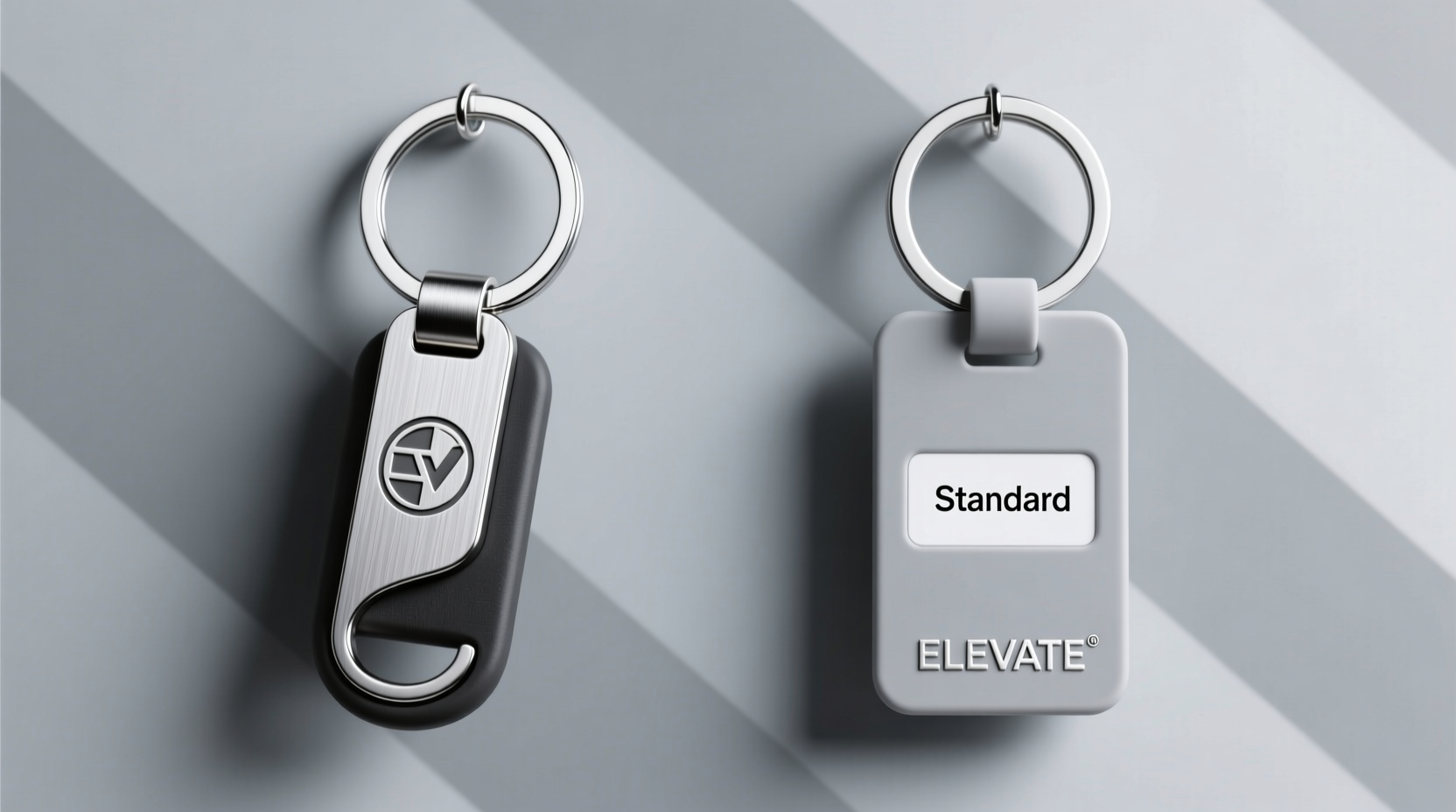
The foundation of any durable keychain lies in its materials. Standard keychains often use zinc alloy, stainless steel, or silicone—materials that are functional and corrosion-resistant but may lack refinement. In contrast, many designer keychains incorporate premium metals such as brass with gold or palladium plating, genuine leather accents, or even hand-stitched details.
For example, a Hermès keychain might feature hand-burnished calfskin and solid brass hardware, while a similar-looking accessory from a generic brand could use synthetic leather and lightweight alloy prone to chipping. The difference becomes evident after months of daily use: designer pieces tend to resist tarnishing, maintain structural integrity, and age gracefully.
Design & Craftsmanship: Beyond the Logo
Luxury brands invest in meticulous design processes. A designer keychain isn’t just about slapping a logo on metal; it involves ergonomic shaping, balanced weight distribution, and thoughtful detailing—such as rotating swivels, secure locking mechanisms, or modular components.
Take the Bottega Veneta Intrecciato Key Pouch: its woven nappa leather requires 1.5 hours of handcrafting per unit. The interlaced weave isn't merely aesthetic—it reinforces durability and provides a non-slip grip. Compare this to mass-produced alternatives that simulate texture through embossing or printing, which can peel or crack under stress.
“True craftsmanship shows in how a product ages, not just how it looks on day one.” — Luca Moretti, Industrial Designer & Accessory Consultant
Comparison Table: Designer vs. Standard Keychains
| Feature | Designer Keychains | Standard Keychains |
|---|---|---|
| Material Quality | Premium metals, full-grain leather, enamel detailing | Zinc alloy, silicone, faux leather |
| Construction | Hand-assembled, precision welding, reinforced joints | Molded or machine-assembled, glued components |
| Durability (Estimated Lifespan) | 5–10+ years with proper care | 1–3 years, depending on usage |
| Average Price Range | $150 – $600+ | $10 – $50 |
| Functional Design | Ergonomic shapes, secure closures, modular options | Basic rings or clips, minimal features |
| Brand Markup Influence | High (30–50% of price is brand equity) | Low to none |
Real-World Example: Two Years of Daily Use
Consider Sarah, a frequent traveler who uses her keys daily across international flights, urban commutes, and outdoor adventures. She owns two keychains: a $220 Goyard St. Louis Key Holder and a $35 AmazonBasics metal clip model.
After 24 months, the Goyard retains its structured shape, canvas remains clean (thanks to water-resistant coating), and the brass clasp operates smoothly despite regular exposure to humidity and airport security trays. The AmazonBasics model, while initially sturdy, now shows visible scratches, a loose spring mechanism, and fading finish. It still works—but barely.
This isn’t just about brand superiority. It reflects intentional engineering: the Goyard was designed for longevity, using layered canvas and corrosion-resistant hardware. The standard model prioritized low cost over resilience.
When You’re Just Paying for the Name
Not all designer keychains justify their price. Some brands release minimalist metal tags with little more than a logo engraving—essentially branded luggage tags sold at ten times the production cost. These offer no functional advantage over well-made third-party versions.
For instance, a $180 designer engraved disc keychain made from thin aluminum offers less utility than a $28 titanium key organizer with modular compartments and aerospace-grade durability. In such cases, the markup is almost entirely brand-driven.
The key is discernment. Ask: Does this item solve a problem? Enhance usability? Last significantly longer? If the only answer is “It looks expensive,” then yes—you're likely just paying for the name.
Step-by-Step Guide: How to Evaluate a Keychain’s True Value
- Inspect the materials: Is it solid metal or hollow plastic-coated alloy? Does leather feel thick and supple?
- Test the mechanism: Open and close any clasps or rings repeatedly. Does it feel smooth and secure?
- Check weight and balance: Heavier doesn’t always mean better, but extremely light metal often indicates low density and poor durability.
- Research manufacturing origin: Brands that disclose artisan workshops or specific factories tend to have higher accountability.
- Compare user reviews over time: Look for feedback beyond six months of use—this reveals real-world wear patterns.
- Assess functional benefits: Does it organize keys efficiently? Protect finishes? Attach securely to bags?
Checklist: Choosing Between Designer and Standard
- ☐ Define your primary need: status symbol vs. daily utility
- ☐ Set a realistic budget based on expected lifespan
- ☐ Prioritize materials over branding
- ☐ Verify return policy and warranty (many designers offer repair services)
- ☐ Consider resale value—some designer keychains retain 40–60% of value on secondhand markets
- ☐ Avoid impulse buys driven by trend cycles
Frequently Asked Questions
Do designer keychains hold their value?
Some do—particularly limited editions or those from heritage brands like Cartier or Tiffany & Co. However, most depreciate unless kept in pristine condition and accompanied by original packaging. Unlike watches or handbags, keychains rarely appreciate.
Can a standard keychain match a designer’s durability?
Yes, especially if made from advanced materials like titanium, ceramic-coated steel, or medical-grade silicone. Brands like Nite Ize, KeySmart, and Maxpedition produce highly durable, functional designs at accessible prices.
Are there ethical concerns with designer keychains?
Potentially. Luxury supply chains aren’t always transparent. In contrast, many independent makers emphasize sustainable sourcing and fair labor practices. If ethics matter to you, research brand sustainability reports or opt for certified B-Corp companies.
Final Verdict: Worth It or Not?
Designer keychains aren’t universally better—but the best ones offer tangible advantages in materials, design, and longevity. When you pay $200 for a well-crafted piece from a reputable house, part of that cost covers skilled labor, quality control, and lasting aesthetics. But when the premium is purely for branding, you’re subsidizing marketing, not mechanics.
The smart approach is selective investment. Choose designer keychains when they demonstrably outperform alternatives in function and durability. For everyday carry, consider blending both worlds: a high-performance organizer paired with a small luxury accent charm. This balances practicality with personal expression—without overspending.




 浙公网安备
33010002000092号
浙公网安备
33010002000092号 浙B2-20120091-4
Comments
No comments yet. Why don't you start the discussion?