
Walk into any sneaker store or scroll through online marketplaces, and you’ll face a stark contrast: $250 designer kicks next to nearly identical $60 pairs from lesser-known brands. At first glance, the difference in price seems absurd. But is it justified? Or are consumers simply overpaying for a logo?
The debate between designer and generic sneakers isn’t just about fashion—it’s about value, craftsmanship, durability, and psychology. While some argue that premium pricing reflects superior engineering and materials, others claim branding does most of the heavy lifting. To cut through the noise, we’ve broken down every factor that separates hype from substance.
Material Quality and Construction
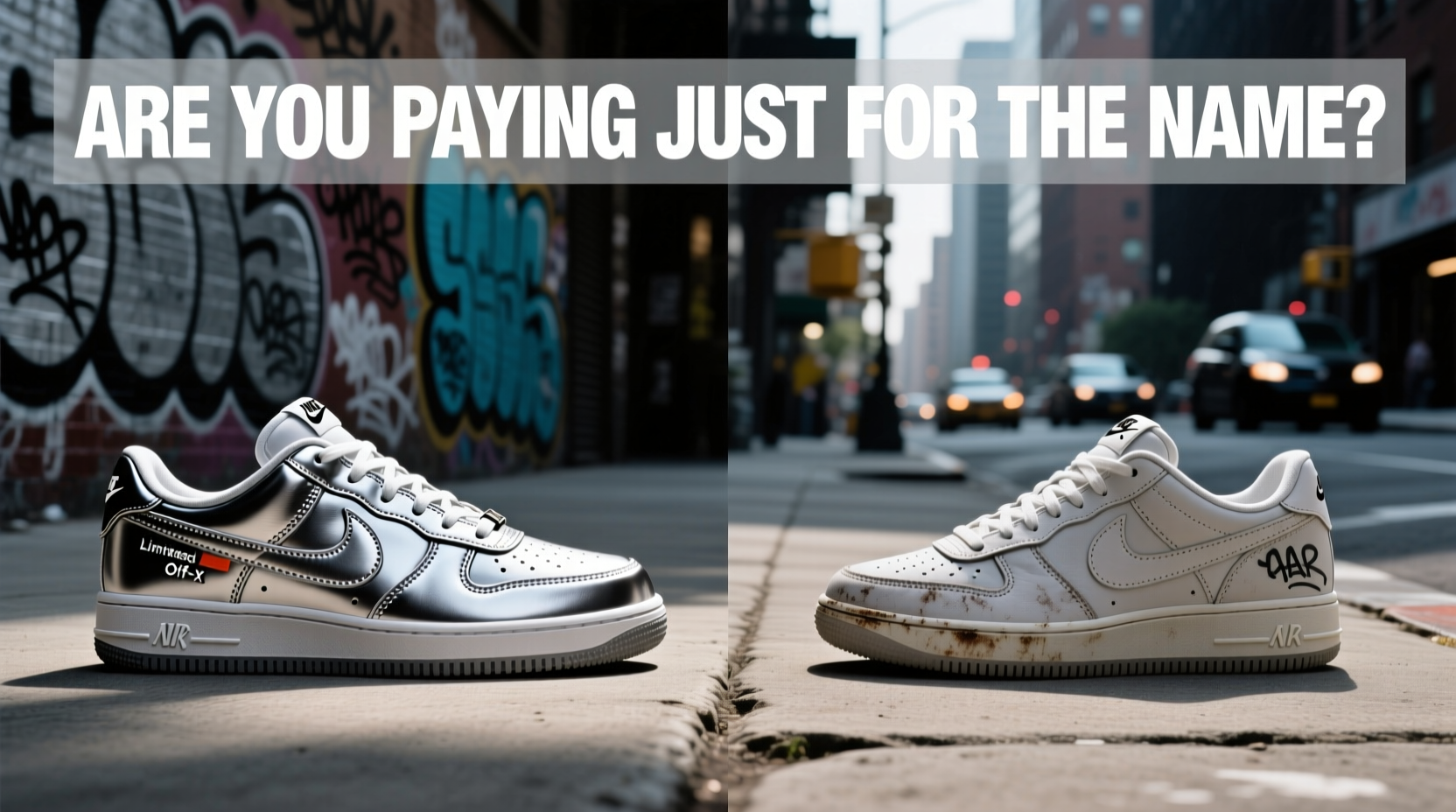
The foundation of any good sneaker lies in its build. Designer brands like Nike, Adidas, New Balance, and luxury labels such as Balenciaga often use higher-grade materials—premium leather, breathable mesh, advanced cushioning foams, and reinforced stitching. These components contribute to both longevity and performance.
In contrast, many generic brands opt for synthetic uppers, thinner soles, and lower-density foam. While they may look similar at a glance, closer inspection reveals differences in seam alignment, glue application, and overall finish. A poorly stitched sole can delaminate within months, while a well-constructed one lasts years.
That said, not all generics are subpar. Some direct-to-consumer startups now source materials comparable to big brands but cut costs by avoiding celebrity endorsements and retail markups. The key is research—not all affordable shoes sacrifice quality.
Comfort and Performance: Is There a Real Difference?
Designer sneakers often invest heavily in biomechanics. Take the Nike Air Zoom or Adidas Boost technologies—these aren’t marketing gimmicks. They’re engineered responses to athlete feedback, pressure mapping, and extensive wear testing. Over long-term use, this translates to better arch support, impact absorption, and foot fatigue reduction.
Generic models rarely have access to the same R&D budgets. Their midsoles might feel stiff or flat after a few hours of walking. However, for casual wear or short commutes, the difference may be negligible. If you’re standing all day or jogging occasionally, the investment in proper ergonomics pays off. For weekend outings, a well-reviewed generic could suffice.
“Comfort isn’t just about cushioning—it’s about how the shoe moves with your foot. That requires iterative design, which takes time and data.” — Dr. Lena Torres, Podiatrist & Footwear Consultant
Resale Value and Long-Term Cost
One area where designer sneakers pull far ahead is resale potential. Limited-edition Jordans, Yeezys, or collaborations can appreciate significantly. A $200 pair might sell for $500+ on StockX or GOAT months later. This secondary market doesn’t exist for generic brands.
But even outside resale, consider cost per wear. A $220 sneaker worn 150 times costs about $1.47 per wear. A $55 pair worn 40 times before wearing out costs $1.38—nearly the same. However, if the cheaper shoe fails after 20 wears due to sole separation, the effective cost jumps to $2.75. Durability matters.
| Factor | Designer Sneakers | Generic Sneakers |
|---|---|---|
| Average Price | $150–$350 | $30–$80 |
| Lifespan (months) | 18–36 | 6–14 |
| Resale Potential | High (select models) | Negligible |
| Warranty/Support | Often 1-year limited | Rarely offered |
| Ease of Cleaning | Higher-quality finishes resist stains | Synthetics may yellow or crack |
The Psychology of Branding and Perceived Value
Brands don’t just sell shoes—they sell identity. Wearing limited-run Nikes or designer collabs signals taste, cultural awareness, or financial success. Studies in consumer behavior show people assign higher value to identical products when labeled with prestigious names. In one experiment, participants rated the same running shoe as more comfortable and stylish when told it was a “premium brand.”
This isn’t manipulation—it’s human nature. We rely on heuristics (mental shortcuts) to make decisions. A trusted logo reduces perceived risk: “If thousands bought these and loved them, I probably will too.”
Yet, this also creates blind spots. Some buyers overlook fit or function because the brand promises prestige. Meanwhile, excellent generic options go unnoticed, dismissed as “knockoffs” without fair evaluation.
Mini Case Study: Mark’s Commuter Dilemma
Mark, a software developer in Chicago, needed durable walking shoes for his daily 45-minute commute. He compared the Adidas Ultraboost ($180) and a no-name alternative ($58) with similar specs: knit upper, rubber sole, foam midsole.
He bought both. After six weeks, the generic pair showed sole separation near the toe. The cushioning flattened faster, and the upper stretched out, losing support. The Adidas, though heavier, maintained structure and comfort. By month four, he’d retired the generic pair but still used the Ultraboosts three times a week.
“I thought I was being smart saving $120,” Mark said. “But replacing them twice would’ve cost more—and my knees hurt less with the better ones.”
How to Decide What’s Right for You: A Practical Checklist
Before choosing between designer and generic, ask yourself the following:
- How often will I wear them? Daily use favors durability and comfort—prioritize designer or high-end generics.
- Do I care about resale? If yes, stick to hyped brands with active secondhand markets.
- Is comfort critical? Jobs requiring long standing/walking benefit from engineered support.
- Am I buying for style or function? Fashion-first choices may justify designer markup; utility-focused needs might not.
- What do real reviews say? Check forums like Reddit’s r/Sneakers or Trustpilot for long-term user experiences.
Frequently Asked Questions
Can generic sneakers match designer quality?
Some can, especially newer DTC (direct-to-consumer) brands using the same factories as major labels. Look for transparent sourcing, customer reviews, and warranties. But consistent quality control remains a challenge for budget brands.
Are designer sneakers overpriced?
In part, yes. Marketing, athlete contracts, and retail distribution inflate prices. However, R&D, material costs, and manufacturing standards also contribute. Not all of the premium is unjustified—but some of it is.
Do designer sneakers last longer?
Generally, yes—especially in stress areas like soles and heel counters. Higher adhesion methods, better vulcanization, and quality control reduce early failure. But misuse (e.g., wearing dress sneakers for hiking) can negate these advantages.
Final Verdict: Paying for Name or Value?
You’re not *just* paying for the name—but the name carries weight because it represents an ecosystem: innovation, consistency, trust, and sometimes exclusivity. When you buy a designer sneaker, you’re funding decades of research, athlete testing, and supply chain oversight. You’re also subsidizing celebrity campaigns and global retail networks.
For many, the added cost is worth it. For others, particularly those prioritizing affordability or minimal usage, generic options offer sensible value—provided you vet them carefully.
The smartest approach? Be intentional. Don’t default to logos, but don’t dismiss them either. Test, compare, and track how shoes perform over time. Your feet—and wallet—will thank you.




 浙公网安备
33010002000092号
浙公网安备
33010002000092号 浙B2-20120091-4
Comments
No comments yet. Why don't you start the discussion?