
In an era where smartphones buzz with notifications every few minutes and social media timelines scroll endlessly, the idea of disconnecting—even briefly—can feel both liberating and terrifying. Digital detox weekends have surged in popularity as a way to reclaim mental clarity, reduce screen fatigue, and reset emotional well-being. But while some report feeling calmer and more present after 48 hours offline, others return to their devices overwhelmed by missed messages, events, and the gnawing sense of being left out. So, do digital detox weekends truly reduce anxiety—or do they inadvertently amplify social FOMO (fear of missing out)? The answer isn't binary; it depends on mindset, preparation, and personal relationship with technology.
The Science Behind Screen Time and Anxiety
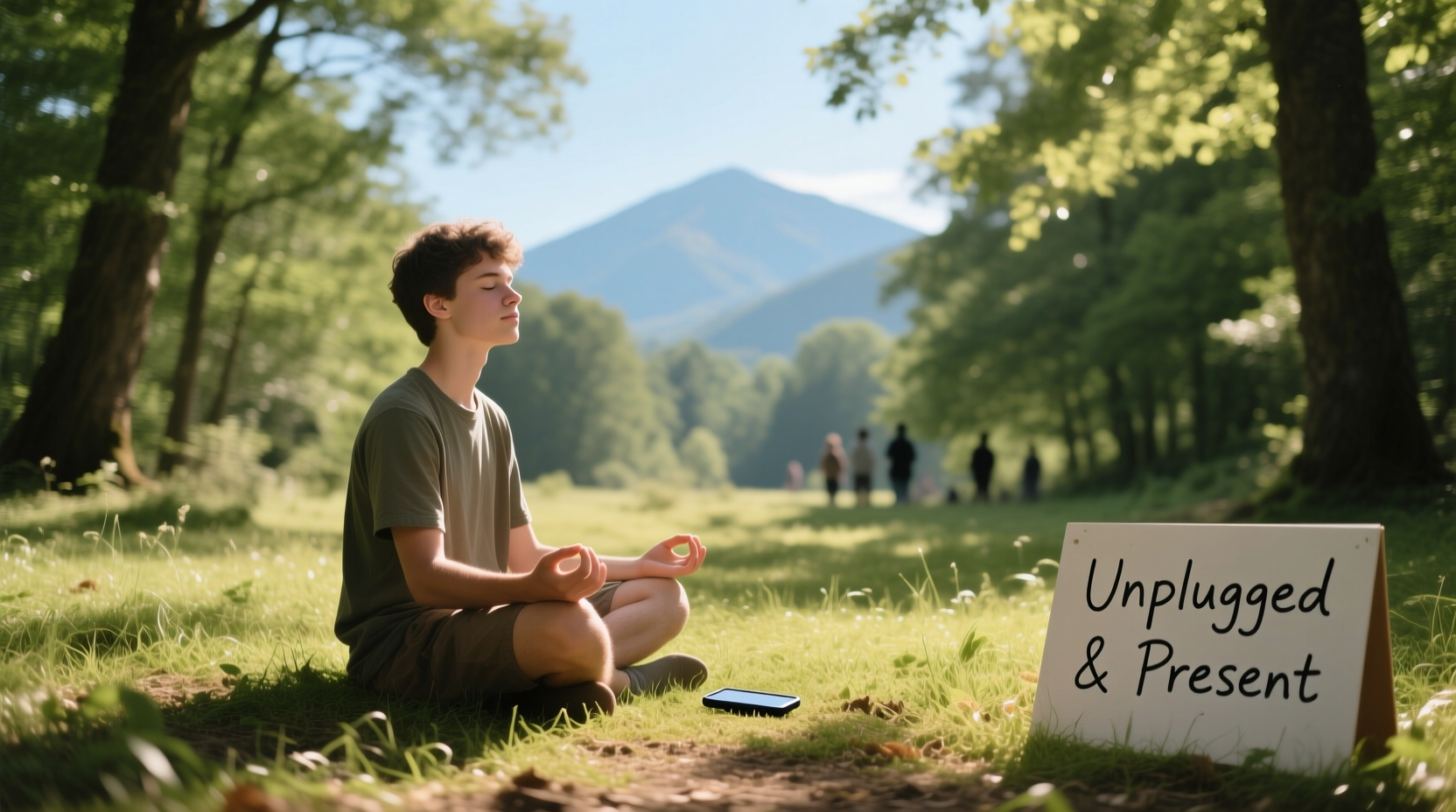
Decades of research link excessive screen use to increased levels of anxiety, disrupted sleep, and reduced attention spans. A 2023 study published in JAMA Psychiatry found that individuals who spent more than six hours daily on non-work-related screens were 60% more likely to report symptoms of generalized anxiety disorder. Constant exposure to curated social content, rapid-fire news cycles, and algorithm-driven outrage can overstimulate the brain’s threat detection system, keeping stress hormones like cortisol elevated.
Digital detoxes aim to interrupt this cycle. By stepping away from devices, users give their nervous systems a chance to recalibrate. Dr. Lena Patel, a cognitive behavioral therapist specializing in digital wellness, explains:
“We’re not built for constant stimulation. When you remove the noise—even temporarily—the brain shifts from fight-or-flight mode into rest-and-digest. That physiological shift is where anxiety begins to ease.”
However, the same study noted a paradox: participants who attempted unplugging without proper preparation often reported heightened anxiety during and immediately after the detox, particularly due to perceived isolation and information gaps.
How Digital Detox Weekends Can Reduce Anxiety
When done intentionally, a digital detox weekend can serve as a powerful reset for mental health. Here’s how:
- Mindful presence increases: Without the distraction of pings and pop-ups, people report deeper engagement in conversations, greater appreciation of nature, and improved focus on hobbies.
- Sleep quality improves: Removing blue light exposure in the evening helps regulate melatonin production, leading to faster sleep onset and more restful nights.
- Emotional regulation strengthens: Stepping back from emotionally charged content—especially political debates or conflict-laden group chats—reduces emotional reactivity.
- Self-efficacy grows: Successfully completing a detox builds confidence in one’s ability to control tech habits rather than be controlled by them.
A Real Example: Sarah’s 72-Hour Reset
Sarah, a 34-year-old marketing consultant from Portland, had been averaging nine hours of screen time outside work. She described herself as “constantly reactive”—checking emails late at night, scrolling Instagram when anxious, and feeling guilty if she didn’t respond to group messages instantly. After a panic attack triggered by a misinterpreted text, she decided to try a full digital detox over a long weekend.
She informed close friends and family, set an auto-responder on email, and handed her smartphone to her partner with instructions not to return it until Sunday night. Instead, she read physical books, went hiking, cooked meals from scratch, and journaled each morning. By Sunday, her resting heart rate had dropped by 12 BPM, and she reported feeling “lighter” and less mentally cluttered.
But Monday brought complications. Her team had made last-minute changes to a campaign without her input, and she felt blindsided. More troubling was seeing photos of a colleague’s birthday dinner she hadn’t known about—sparking a wave of FOMO and self-doubt. “I felt proud of my clarity,” she said, “but also like I’d fallen behind socially.”
Sarah’s experience highlights a crucial truth: detox outcomes depend not just on disconnection, but on what happens before and after.
When Detox Weekends Trigger Social FOMO
FOMO isn’t just a buzzword—it’s a documented psychological phenomenon rooted in evolutionary needs for social belonging. According to a 2022 study from the University of California, Berkeley, people who frequently engage with social media derive part of their identity from real-time social participation. Removing access to that stream can trigger feelings of exclusion, irrelevance, and anxiety.
Digital detox weekends may unintentionally worsen FOMO in several ways:
- Lack of communication: If you don’t notify key contacts, they may assume you’re avoiding them, leading to misunderstandings upon reconnection.
- Information asymmetry: Returning to dozens of missed messages creates a backlog that feels overwhelming and urgent.
- Social comparison rebound: After days of peace, logging back in and seeing peers at parties, promotions, or vacations can intensify feelings of inadequacy.
- Identity disruption: For those whose self-worth is tied to online validation (likes, comments, shares), silence can feel like invisibility.
The irony is clear: a practice designed to reduce anxiety can, in some cases, increase it—especially if the detox is abrupt or poorly managed.
Expert Insight: Balancing Detox and Connection
Dr. Arjun Mehta, a digital behavior researcher at Stanford, emphasizes intentionality:
“A successful digital detox isn’t about total isolation—it’s about creating space to reflect on your relationship with technology. The goal isn’t to reject connectivity, but to reclaim agency over it.”
He recommends what he calls “mindful disconnection”: setting clear boundaries, maintaining essential communication channels (e.g., leaving a landline or emergency contact active), and planning re-entry rituals to ease the transition back online.
Practical Guide: How to Run a Balanced Digital Detox Weekend
To maximize benefits and minimize FOMO, follow this step-by-step approach:
Step 1: Prepare Your Circle (48 Hours Before)
Send a brief message to family, close friends, and coworkers explaining your plan. Example: “I’m taking a short digital break this weekend to recharge. I’ll be offline from Friday 7 PM to Sunday 7 PM. For urgent matters, call [emergency number]. Otherwise, I’ll catch up Monday!”
Step 2: Define Your Boundaries
Decide what “detox” means for you. Total blackout? Or limited use? Consider these options:
| Detox Level | Allowed Devices/Use | Risk of FOMO | Best For |
|---|---|---|---|
| Full Blackout | No screens; use analog alternatives | High (if unprepared) | Chronic overusers seeking reset |
| Partial Detox | Only phone calls & emergency texts | Moderate | Parents, caregivers, remote workers |
| Curated Use | One check-in per day (15 mins) | Low | Beginners or high-FOMO individuals |
Step 3: Plan Offline Activities
Fill your time with engaging, screen-free experiences: cooking, walking, board games, journaling, gardening, or visiting a museum. Boredom often drives people back online—so have a plan.
Step 4: Manage Re-Entry
Don’t jump straight into social media. Instead:
- Start with email (filter urgent vs. non-urgent).
- Check only one social platform per hour.
- Set a 20-minute limit for catching up.
- Afterward, reflect: Did anything actually require immediate attention?
Checklist: Your Digital Detox Weekend Planner
- ✅ Inform key contacts of your offline window
- ✅ Set up an auto-responder for email and messaging apps
- ✅ Charge all non-digital essentials (books, journals, cameras)
- ✅ Remove tempting apps from your home screen (or use app blockers)
- ✅ Plan at least three offline activities
- ✅ Designate a “re-entry hour” on Sunday evening
- ✅ Schedule a reflection session post-detox (journal or talk with a friend)
FAQ: Common Questions About Digital Detox Weekends
Can a digital detox really reduce anxiety in just two days?
Yes—for many people, even short breaks can lower cortisol levels and improve mood. The key is consistency. One weekend won’t cure chronic anxiety, but it can interrupt harmful patterns and build awareness. Think of it as a mental tune-up, not a permanent fix.
What if I miss something important during my detox?
This fear is common but often overblown. Most “urgent” messages aren’t life-or-death. However, you can mitigate risk by designating one trusted person as an emergency contact. In reality, most social and professional circles are more forgiving than we assume.
Should I tell everyone I’m doing a detox?
No—only inform those who might worry or need to reach you. Broadcasting your detox on social media defeats the purpose and can invite performative pressure. Authentic disconnection doesn’t require an audience.
Conclusion: Finding Balance in a Hyperconnected World
Digital detox weekends aren’t a one-size-fits-all solution. For some, they offer profound relief from the constant hum of digital life. For others, they trigger anxiety through social disconnection and information gaps. The real benefit lies not in complete abstinence, but in cultivating intentionality. By preparing thoughtfully, setting realistic boundaries, and reflecting afterward, you can harness the calming power of disconnection without falling into the trap of FOMO.
Technology isn’t going away—and neither is our need for human connection. The challenge is to use tools without letting them use us. Whether you choose a full blackout or a mindful reduction, the goal remains the same: to emerge not just less anxious, but more present, grounded, and in control of your own attention.




 浙公网安备
33010002000092号
浙公网安备
33010002000092号 浙B2-20120091-4
Comments
No comments yet. Why don't you start the discussion?