
In recent years, electric fragrance diffusers have evolved from simple scent dispensers into sophisticated home wellness tools. Unlike traditional reed or spray diffusers, electric models offer consistent fragrance distribution, customizable intensity, and smart features such as timers and app control. With so many options on the market, finding a truly reliable unit can be overwhelming. This guide cuts through the noise by evaluating performance, safety, ease of use, and long-term value—helping you make an informed decision that enhances both air quality and atmosphere.
Why Electric Diffusers Outperform Traditional Options
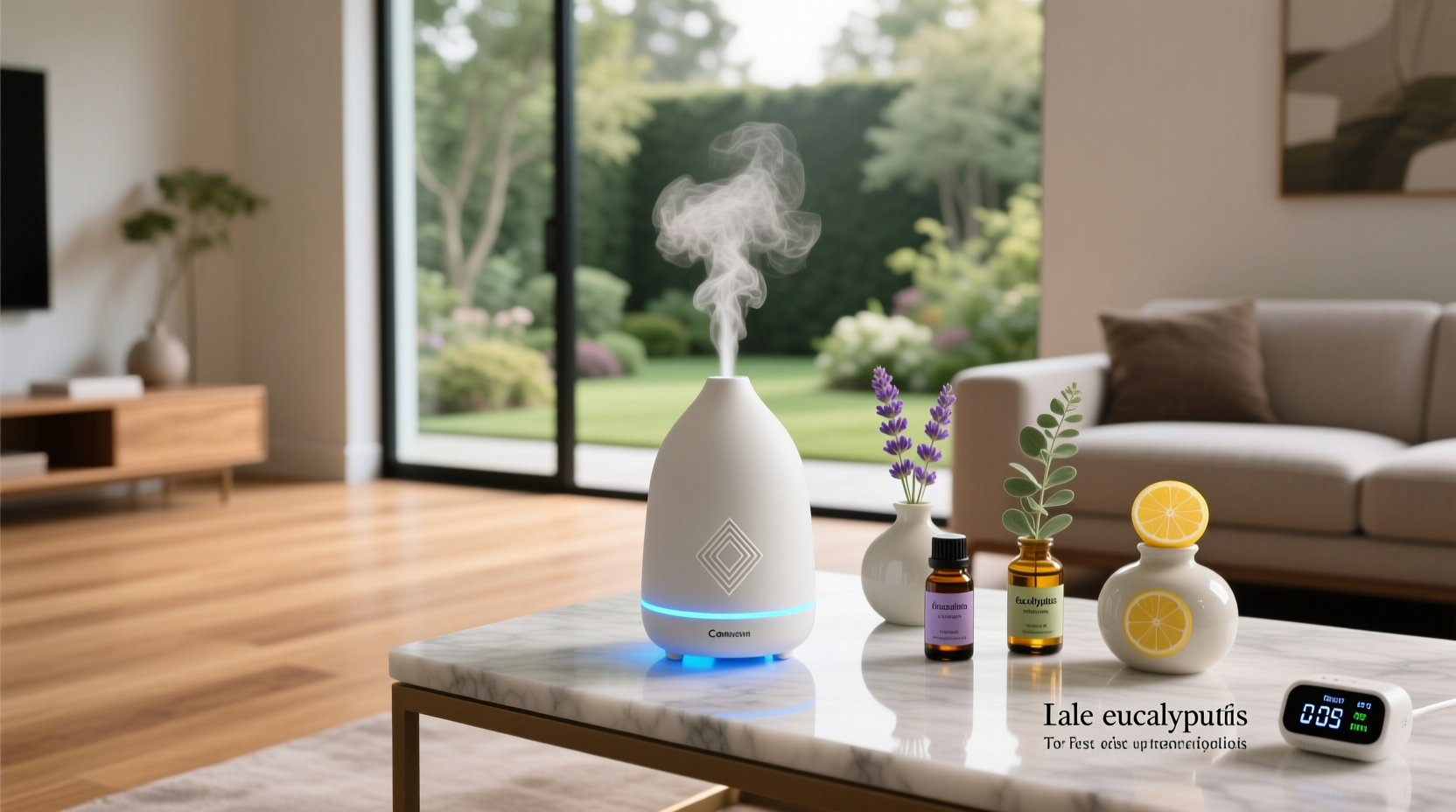
Electric fragrance diffusers use ultrasonic technology or fan-based dispersion systems to release essential oils or fragrance oils into the air. This method provides more even coverage than passive reed diffusers and avoids the alcohol-based propellants found in aerosol sprays. Because they operate continuously or on set intervals, electric models maintain a steady ambient scent without manual intervention.
One major advantage is control. Many units allow users to adjust output frequency, set schedules, or choose between continuous and intermittent misting. This precision ensures that spaces aren’t overpowered by fragrance—a common issue with plug-in air fresheners. Additionally, high-quality electric diffusers often double as humidifiers, adding moisture to dry indoor environments, which benefits skin and respiratory health.
Key Features That Define a Reliable Diffuser
Not all electric diffusers are created equal. To identify trustworthy models, focus on these core attributes:
- Build Quality: Durable materials like BPA-free plastic or ceramic resist cracking and chemical degradation over time.
- Water Capacity: Larger tanks (300ml or more) reduce refill frequency, ideal for open-plan living areas or offices.
- Noise Level: Ultrasonic models should operate below 30 decibels—quiet enough for bedrooms or meditation spaces.
- Timer Settings: Multiple options (e.g., 1, 3, 6 hours) allow customization based on room size and preference.
- Mist Output Control: Adjustable intensity prevents overwhelming scents in small rooms.
- Safety Certifications: UL, CE, or RoHS certification indicates compliance with electrical and environmental standards.
Units with LED lighting add ambiance but shouldn't compromise functionality. Some premium models integrate with smart home ecosystems like Alexa or Google Home, enabling voice commands and remote adjustments via smartphone apps.
Top 5 Recommended Models Compared
| Model | Tank Size | Runtime | Smart Features | Price Range |
|---|---|---|---|---|
| AromaPro UltraMist X7 | 500 ml | Up to 12 hrs | Wi-Fi + App Control | $89–$109 |
| VitaClime MistFlow 300 | 300 ml | 8 hrs continuous | None | $45–$55 |
| EcoScent Harmony II | 400 ml | 10 hrs intermittent | Bluetooth & Timer Sync | $65–$75 |
| NatureWell PureWave S1 | 350 ml | 9 hrs max | Auto-shutoff + Humidity Sensor | $70–$80 |
| SerenityAir Luxe+ Mini | 200 ml | 4–6 hrs | Color-Changing Mood Lights | $35–$45 |
The AromaPro UltraMist X7 stands out for tech-savvy users who want full automation and integration. Meanwhile, the VitaClime MistFlow 300 offers excellent value for those prioritizing reliability without digital extras. For allergy sufferers, the NatureWell PureWave S1 includes a built-in humidity sensor that adjusts output based on ambient conditions, preventing excess moisture buildup.
“Modern electric diffusers do more than scent a room—they contribute to indoor air balance. When paired with pure essential oils, they support relaxation and mental clarity.” — Dr. Lena Patel, Environmental Health Researcher at Green Living Institute
Step-by-Step Guide to Choosing and Using Your Diffuser
Selecting the right model is only half the process. Proper usage ensures longevity and optimal performance. Follow this timeline to get the most from your investment:
- Assess Room Size: Small diffusers (under 300ml) suit bedrooms or home offices. Large-capacity units work better in living rooms or entryways.
- Check Power Source Needs: Most plug directly into outlets; some offer USB operation for flexibility.
- Purchase High-Quality Oils: Use 100% pure essential oils or diffuser-safe fragrance blends. Avoid carrier oils like almond or jojoba, which can clog internal mechanisms.
- Fill with Distilled Water: Tap water contains minerals that build up over time. Distilled water keeps the nebulizer clean and efficient.
- Clean Weekly: Empty remaining liquid, wipe the tank with a soft cloth, and rinse with white vinegar once a month to remove residue.
- Position Strategically: Place on elevated surfaces away from walls or curtains to ensure even airflow and prevent moisture damage.
Real-World Example: Transforming a Home Office Environment
Sarah K., a freelance graphic designer in Portland, struggled with afternoon fatigue and distraction in her basement workspace. After researching solutions, she purchased the EcoScent Harmony II and began using a blend of peppermint and lemon essential oils during work hours. Within a week, she noticed improved concentration and fewer headaches. By programming the diffuser to activate at 2 PM daily, she created a sensory cue that signaled her brain to refocus. Over three months, her productivity increased by nearly 25%, according to self-tracked metrics. The subtle mood lighting also helped reduce eye strain under artificial lights.
This case illustrates how a well-chosen electric diffuser, combined with intentional oil selection and scheduling, can function as part of a holistic wellness strategy—not just a decorative accessory.
Frequently Asked Questions
Are electric fragrance diffusers safe around pets?
Most are safe if used properly, but caution is required. Certain essential oils—like tea tree, eucalyptus, and citrus—can be toxic to cats and dogs when dispersed in high concentrations. Always ventilate the room and consult your veterinarian before using strong oils in pet-accessible areas.
How often should I replace the diffuser unit?
With regular cleaning and care, a high-quality electric diffuser lasts 2–4 years. Signs it’s time to replace include inconsistent misting, unusual noises, or persistent residue despite cleaning. Units with replaceable nebulizers can extend service life further.
Can I use any type of fragrance oil?
No. Only use oils specifically labeled as “diffuser-safe” or “essential oils.” Thick perfume oils, synthetic fragrances not designed for diffusion, or diluted scents may damage internal components or create airborne particulates that affect air quality.
Essential Buying Checklist Before You Purchase
Before committing to a model, verify the following:
- ✅ Has automatic shut-off feature
- ✅ Uses standard voltage (110V–120V for North America)
- ✅ Includes clear user manual and warranty (minimum 1-year)
- ✅ Compatible with essential oils (not just proprietary blends)
- ✅ Easy to disassemble and clean
- ✅ Low noise rating (under 35 dB)
- ✅ Available customer support or online troubleshooting resources
Final Thoughts: Elevate Your Space with Confidence
Choosing the best electric fragrance diffuser isn’t about chasing trends—it’s about investing in comfort, well-being, and sustainable home care. The most reliable units combine thoughtful engineering with user-centric design, delivering consistent results without constant maintenance. Whether you're enhancing a bedroom sanctuary, energizing a workspace, or welcoming guests with a warm aroma, the right diffuser makes a measurable difference.




 浙公网安备
33010002000092号
浙公网安备
33010002000092号 浙B2-20120091-4
Comments
No comments yet. Why don't you start the discussion?