
Minor league baseball is more than just a developmental stage—it's a cultural phenomenon where community spirit, local identity, and athletic passion converge. At the heart of this experience are the uniforms: bold, expressive, and built to last. Whether you're a player stepping onto the field or a die-hard fan showing team pride, the right uniform makes all the difference. Today’s minor league apparel blends cutting-edge fabric technology with creative design, delivering both performance and visual impact.
Gone are the days when minor league gear was an afterthought. With teams like the Rocket City Trash Pandas, the Burlington Sock Puppets, and the Fresno Grizzlies redefining branding in sports, the demand for high-quality, stylish, and long-lasting uniforms has never been higher. This guide explores what sets the best minor league uniforms apart, how to choose them wisely, and how to maintain their quality over time.
What Makes a Minor League Uniform Stand Out?
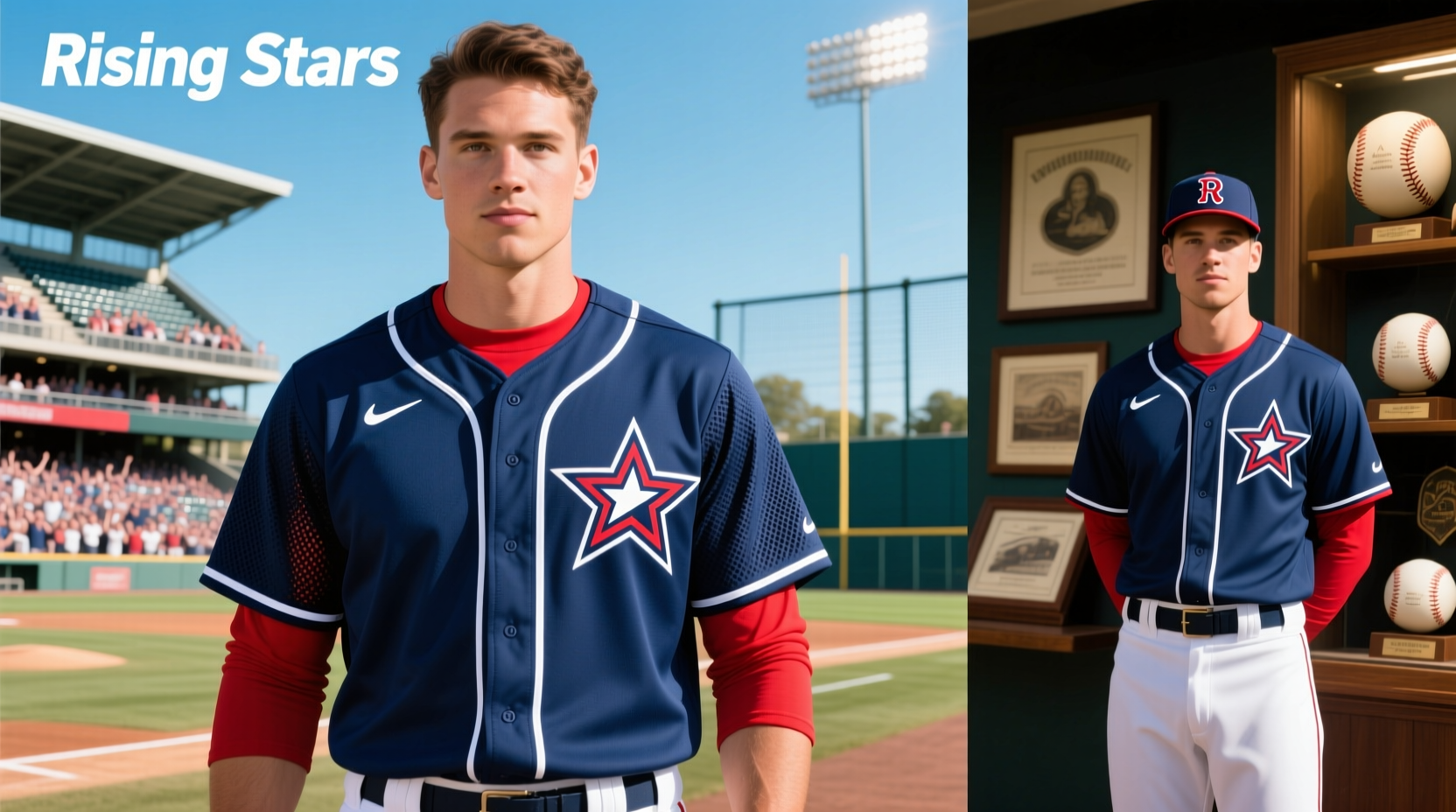
The most memorable minor league uniforms strike a balance between creativity and functionality. Unlike major league teams bound by tradition, minor league franchises have the freedom to experiment with colors, mascots, typography, and themes that reflect their city’s character. A vibrant color scheme, clever wordmark, or unique sleeve patch can turn a jersey into a collector’s item overnight.
But aesthetics are only part of the story. The best uniforms also prioritize durability. Players need breathable, moisture-wicking fabrics that hold up under intense sun, frequent laundering, and constant movement. Fans expect the same quality in replica jerseys—materials that resist fading, tearing, and pilling even after months of wear.
“Today’s minor league designs aren’t just fun—they’re functional works of art. Teams invest as much in fabric performance as they do in graphic design.” — Derek Mallory, Sports Apparel Designer at Vertex Athletics
Top Materials Used in High-Performance Uniforms
The evolution of sportswear technology has transformed how uniforms are made. Modern minor league kits use advanced synthetic blends engineered for comfort, stretch, and resilience. Here’s a breakdown of the most common materials used today:
| Material | Benefits | Common Use |
|---|---|---|
| Polyester Mesh | Lightweight, breathable, quick-drying | Base layer, jerseys |
| Recycled Polyester (rPET) | Eco-friendly, durable, moisture-wicking | Sustainable collections |
| Spandex Blend (95% polyester / 5% spandex) | Stretchable, form-fitting, abrasion-resistant | Pants, compression wear |
| Dry-Core® or CoolMotion™ Fabrics | Temperature-regulating, anti-odor | Player-grade uniforms |
Many teams now partner with manufacturers who specialize in performance textiles. These fabrics often include UV protection, antimicrobial treatments, and four-way stretch—features that enhance both safety and comfort during long games and travel.
Design Trends Shaping Minor League Identity
In recent years, minor league teams have embraced storytelling through design. Instead of generic templates, clubs craft uniforms that reflect regional history, pop culture, or local industry. Think of the Hartford Yard Goats’ goat-themed camouflage or the San Antonio Missions’ architectural sleeve patterns inspired by Spanish colonial missions.
- Nostalgia Reboots: Vintage-inspired throwbacks with retro fonts and muted palettes.
- City Connect Concepts: Collaborations highlighting urban pride, music scenes, or food specialties.
- Limited Edition Runs: Special event uniforms for holidays, promotions, or charity games.
- Fan-Inspired Designs: Contests allowing supporters to submit ideas adopted by the team.
These designs not only boost merchandise sales but also deepen emotional connections between fans and franchises. A well-designed uniform becomes a wearable symbol of hometown pride.
Case Study: The Rise of the West Michigan Whitecaps’ “Anchor Blue” Collection
In 2022, the West Michigan Whitecaps introduced a new alternate jersey series called “Anchor Blue,” inspired by Lake Michigan’s maritime heritage. Featuring navy-blue waves across the chest and anchor-shaped buttons, the design quickly sold out online and became a staple at home games.
The success wasn’t just visual. The team used a new moisture-control fabric developed in partnership with a Midwest textile lab, reducing sweat buildup by 37% compared to previous models. Player feedback was overwhelmingly positive, citing improved comfort during late-summer humidity. Within six weeks, the club reported a 42% increase in uniform-related merchandise revenue—a testament to how smart design and material innovation can drive both performance and profitability.
How to Choose the Right Uniform—For Players and Fans
Selecting the ideal uniform depends on your role and needs. Players require maximum functionality, while fans may prioritize style and collectibility. Use this checklist to make an informed decision:
Uniform Selection Checklist
- ✅ Assess fabric composition—look for at least 90% performance polyester.
- ✅ Check stitching quality—double-stitched seams last longer.
- ✅ Verify fit options—slim, relaxed, and women’s cuts should be available.
- ✅ Confirm authenticity—officially licensed gear ensures accurate logos and colors.
- ✅ Consider climate—lighter weaves for hot regions; layered options for cooler areas.
- ✅ Review care instructions—machine washable is essential for regular use.
Fans collecting limited editions might also consider display storage solutions, while players should rotate uniforms to extend wear life. Customization options like name-and-number printing add personal value but require additional maintenance awareness.
Care & Maintenance Tips for Longevity
No matter how premium the fabric, improper care shortens a uniform’s lifespan. Sweat, dirt, and sunlight degrade fibers over time if not managed correctly. Follow these steps to preserve appearance and structural integrity:
- Wash After Every Use: Sweat contains salts and acids that break down fabric.
- Turn Inside Out: Protects prints and prevents color fading.
- Use Cold Water: Prevents shrinkage and maintains elasticity.
- Avoid Fabric Softeners: They coat fibers and reduce moisture-wicking ability.
- Air Dry When Possible: Heat from dryers weakens elastic components.
- Store Flat or Hung: Avoid folding at stress points like shoulders or knees.
Frequently Asked Questions
Are minor league uniforms different from major league ones?
While both use similar high-performance materials, minor league uniforms often feature bolder designs and experimental themes. Structurally, they meet comparable standards for fit and durability, especially at Triple-A and Double-A levels.
Can I wear a player-style uniform as a fan?
Absolutely. Most teams offer fan versions of player uniforms, typically with slightly less technical fabric but identical styling. Some retailers even sell authentic-grade replicas used by athletes.
How long should a good uniform last?
With proper care, a high-quality uniform can last 2–3 full seasons of regular play. Replica fan jerseys often last 1–2 years with weekly wear and correct washing.
Conclusion: Wear Pride, Perform with Confidence
The best minor league uniforms go beyond fabric and thread—they represent community, creativity, and commitment. Whether you're lacing up cleats for game day or cheering from the stands in your favorite jersey, investing in a stylish and durable uniform enhances the entire experience. From innovative textiles to unforgettable designs, today’s minor league apparel sets a new standard for sports identity.




 浙公网安备
33010002000092号
浙公网安备
33010002000092号 浙B2-20120091-4
Comments
No comments yet. Why don't you start the discussion?